
Eating More Vegetables Without Overhauling Your Entire Routine

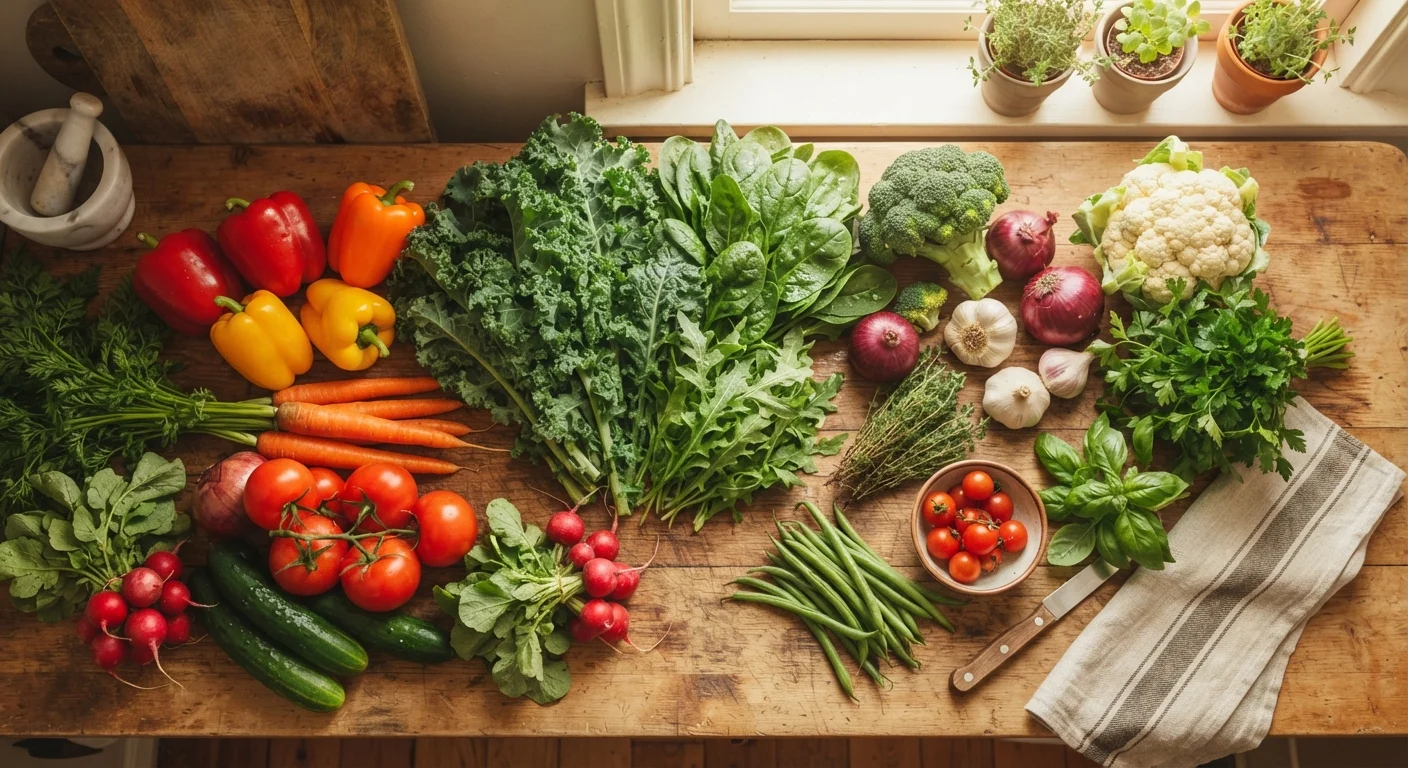
Photo: InDepthReads.com | Streamlining Learning For All editorial
Key Takeaways
- You don't need a diet overhaul—small additions to existing meals reliably increase vegetable intake.
- Frozen and canned vegetables are nutritionally comparable to fresh and require almost no prep time.
- Adding vegetables to meals you already make is more sustainable than building entirely new recipes.
- Batch prepping one or two vegetables per week reduces the daily decision burden significantly.
- Texture and seasoning matter—learning basic preparation techniques makes vegetables more appealing.
Why Small Changes Work Better Than Big Ones
Most people already know vegetables are important. The gap isn't knowledge—it's consistency. Overhauling your entire diet in response to that knowledge is, paradoxically, one of the least effective strategies available. Radical changes require sustained willpower, introduce unfamiliar recipes, and often conflict with the practical realities of a busy household.
Behavioral research on habit formation consistently points to a different approach: anchor new behaviors to existing routines, keep the initial change small enough to feel easy, and build gradually. Applied to vegetable intake, this means working with the meals you already cook rather than replacing them.
The dietary guidelines from major public health organizations suggest that most adults fall short of recommended vegetable intake—not because vegetables are inaccessible, but because the moment of decision (what to cook tonight) defaults to familiar, comfortable patterns. The strategies in this guide are designed to reshape those defaults incrementally.
Drastic Changes Often Don't Stick
If you're looking to understand the bigger nutritional picture alongside these changes, pairing this approach with a weekly grocery and meal audit can help you spot gaps and track progress without adding significant time to your week.
What You'll Need Before You Start
Before working through the steps below, gather a few basics. No specialized equipment or unusual ingredients are required—the point is to work within what you already have.
What you will need
You'll also want to have a look at the tools that make vegetable prep faster and more consistent:
Sheet pan or rimmed baking sheet
Used for roasting vegetables in the oven, which brings out natural sweetness and requires minimal active cooking time.
Freezer-safe storage bags or containers
Used to store prepped or blanched vegetables in bulk so they're ready to add to meals throughout the week.
Box grater or food processor
Used to shred or finely chop vegetables so they blend into sauces, patties, or baked goods with minimal texture change.
Immersion blender
Used to puree cooked vegetables directly into soups, sauces, or dips without transferring hot liquid.
Frozen Vegetables Are a Smart Staple
This Is General Nutrition Information
Step-by-Step: Adding More Vegetables Without Starting Over
Follow these steps in order, or pick the one or two that fit your current cooking habits most naturally. Each stands on its own—you don't need to do all five at once.
Audit one meal you already eat regularly
Pick one meal you make at least twice a week—pasta, eggs, soup, rice bowls, sandwiches—and ask where a vegetable could fit without changing the dish's core identity. You're looking for the path of least resistance, not a reinvention. A scrambled egg becomes a spinach scramble with two handfuls of frozen spinach stirred in at the end. Pasta sauce can absorb finely diced zucchini or carrots almost invisibly. This single-meal audit is your starting point.
Stock your freezer with two or three versatile vegetables
Fresh produce is great, but it requires planning and spoils quickly. Frozen vegetables sidestep both problems. Choose two or three that work across multiple dishes—frozen spinach blends into soups and eggs; frozen peas go into rice, pasta, and grain bowls; frozen broccoli roasts well or steams in minutes. Having these on hand means you can add a vegetable serving to almost any meal with no additional grocery trip and less than five minutes of prep.
Batch prep one vegetable on a day you're already cooking
Batch preparation dramatically reduces the friction of eating vegetables during busy weekdays. On a Sunday or any day you're already cooking, roast a sheet pan of whatever vegetable is on sale or already in your fridge—broccoli, cauliflower, sweet potatoes, zucchini. Roasted vegetables store well in the refrigerator for four to five days and can be added cold or reheated into grain bowls, wraps, omelets, or as a simple side. One session of active cooking yields a week's worth of easy additions.
Use the 'add, don't replace' principle
A common mistake is framing vegetable eating as a trade-off—replacing something you enjoy with something you feel obligated to eat. This framing makes the habit feel punitive and is harder to sustain long-term, as research on restrictive eating patterns suggests. Instead, simply add vegetables alongside what you already eat. Add a handful of cherry tomatoes beside your usual lunch. Stir a cup of kale into the soup you already make. The goal is addition, not subtraction.
Incorporate vegetables into your weekly grocery check-in
Before each grocery trip—or once a week if you order online—take a quick look at what vegetables you used, what went to waste, and what gap you want to fill. This brief habit helps you shop with intention rather than impulse. Pairing this check-in with a simple weekly nutrition audit can surface patterns you might otherwise miss, like consistently skipping vegetables at lunch or letting certain produce spoil before using it.
For broader context on which eating patterns tend to backfire over time—and why—see our guide to nutrition patterns that are harder to sustain than they look. And if you're working on overall wellness habits, the Fitness & Movement hub offers complementary guidance on building sustainable physical activity alongside better eating.
This article is for general informational and educational purposes only and does not constitute medical or dietary advice. Consult a qualified healthcare provider or registered dietitian for guidance specific to your health needs.
The content on this site is for informational purposes only and is not a substitute for professional advice. Always consult a qualified professional for guidance specific to your situation.