
The Science Behind Why Chronic Stress Wears the Body Down

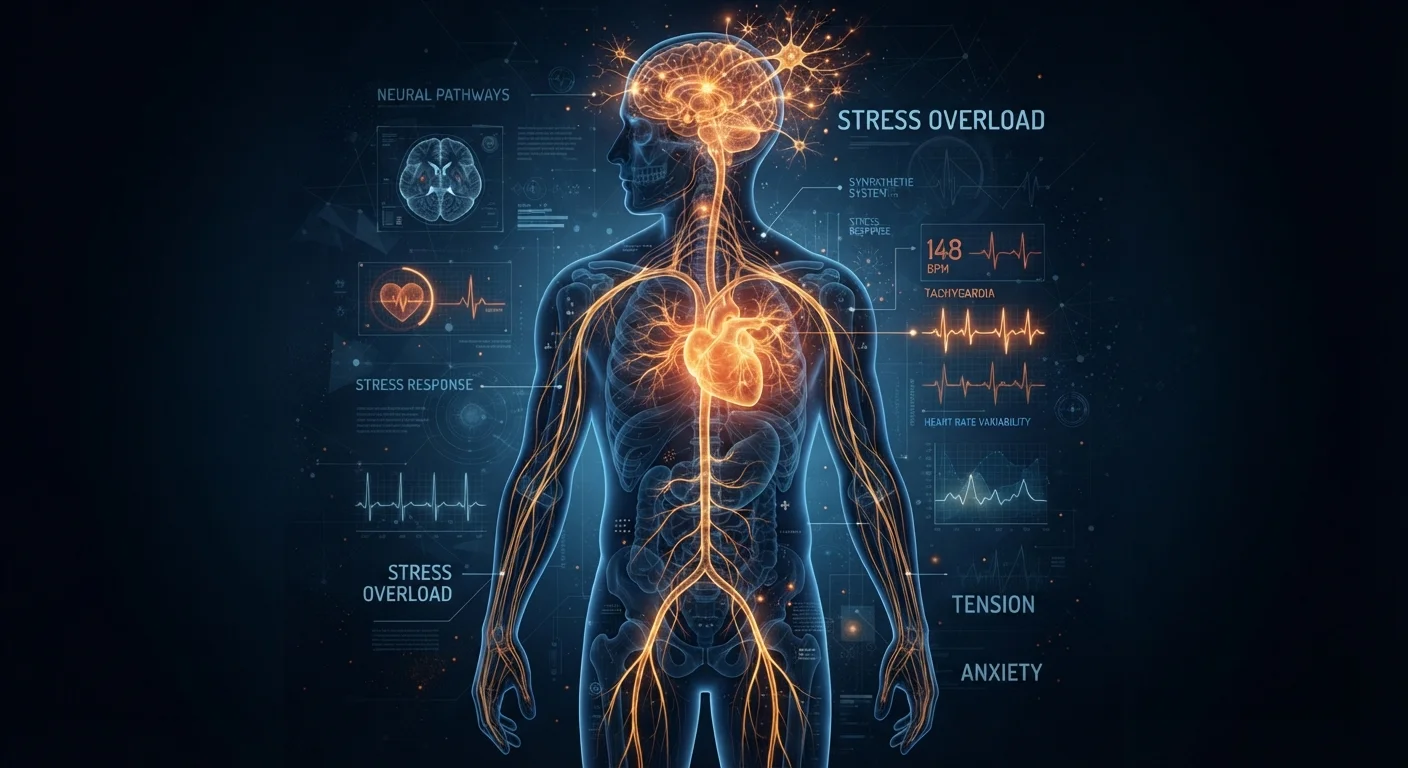
Photo: InDepthReads.com | Streamlining Learning For All editorial
Key Takeaways
- Chronic stress keeps cortisol elevated, disrupting nearly every major body system over time.
- The cardiovascular system faces increased risk from sustained stress-driven inflammation and blood pressure changes.
- Prolonged stress can impair memory and alter brain structure in areas governing emotion and decision-making.
- The immune system becomes less effective under chronic stress, raising susceptibility to illness.
- Sleep disruption and chronic stress form a reinforcing cycle that worsens both conditions.
- Recognizing early signs and addressing sources of stress can meaningfully reduce physiological harm.
How the Stress Response Was Designed to Work
The human stress response evolved as a survival tool. When the brain perceives a threat, the hypothalamus signals the adrenal glands to release cortisol and adrenaline. Heart rate climbs, blood vessels constrict, and glucose floods the bloodstream — all to prepare the body for immediate action. Once the threat passes, hormone levels drop and the body returns to equilibrium.
This system works well for short-lived threats. The problem emerges when the perceived threat never fully resolves — a demanding job, financial pressure, relationship conflict, or ongoing health worries. The body stays primed for an emergency that never ends. As the evidence around stress myths makes clear, this sustained activation is fundamentally different from the ordinary pressures the stress response was designed to handle.
Acute vs. Chronic Stress: An Important Distinction
What Cortisol Does When It Stays Elevated
Cortisol is sometimes called the primary stress hormone, and in measured amounts it performs important regulatory functions — managing metabolism, moderating immune responses, and supporting the sleep-wake cycle. Sustained elevation is where the trouble begins.
Chronically high cortisol suppresses the immune system, raises blood sugar, increases blood pressure, and interferes with digestion. It also disrupts the production of other hormones, including those governing reproductive health and thyroid function. Research consistently links prolonged cortisol elevation to increased systemic inflammation — a state now recognized as an underlying factor in heart disease, metabolic disorders, and accelerated cellular aging.
77%
Adults reporting physical stress symptoms
According to the American Psychological Association's Stress in America survey, a large majority of U.S. adults report regularly experiencing physical symptoms they associate with stress.
2–3×
Increased cardiovascular risk under chronic stress
Multiple epidemiological reviews have estimated that individuals with high chronic work-related stress face roughly two to three times the risk of developing coronary heart disease compared to those with lower stress levels.
40%
Reduction in immune cell effectiveness
Research published in psychoneuroimmunology literature has shown that sustained psychological stress can reduce natural killer cell activity — a frontline immune defense — by measurable and clinically significant margins.
Stress and the Brain: Memory, Mood, and Structure
The brain is particularly sensitive to chronic stress because cortisol receptors are densely concentrated in the hippocampus — the region central to memory formation — and the prefrontal cortex, which handles planning and emotional regulation. Extended cortisol exposure can reduce the volume of neurons in these areas, impairing both memory consolidation and the ability to modulate emotional responses.
At the same time, the amygdala — the brain's threat-detection center — can become more reactive under chronic stress, making individuals more alert to perceived danger and less able to return to calm. This neurological pattern partly explains why people under prolonged stress often report difficulty concentrating, increased irritability, and a heightened sense of worry that feels hard to switch off. Daily lifestyle habits have been shown to modestly buffer some of these effects, according to behavioral research.
“The brain is the organ of the body most exquisitely sensitive to stress. It is both the origin of the stress response and one of its primary targets — and it is capable of remarkable recovery when the source of chronic stress is addressed.”
— Bruce McEwen, Neuroendocrinologist and researcher on stress and the brain, Rockefeller University
The Heart, Sleep, and the Reinforcing Cycle
Cardiovascular health is among the most well-documented casualties of chronic stress. Sustained elevations in blood pressure place mechanical strain on artery walls, while stress-driven inflammation can accelerate the buildup of arterial plaques. Behavioral factors compound this: stress often disrupts exercise habits, encourages poorer dietary choices, and is linked to increased alcohol use — each of which independently raises cardiovascular risk.
Sleep sits at the center of this web. Elevated cortisol at night interferes with the body's ability to enter and maintain deep sleep stages, and poor sleep in turn raises cortisol the following day, creating a self-reinforcing loop. Understanding how sleep and mental health interact is essential context here — chronic stress and sleep disruption are rarely separate problems. Financial and life stressors can be particularly persistent triggers; the psychological weight of debt, for example, activates the same neurological stress pathways as physical threats.
When to Seek Professional Support
This article is for general informational and educational purposes only and is not a substitute for professional medical advice, diagnosis, or treatment. Always consult a qualified healthcare provider with any questions you may have regarding your health.
Frequently Asked Questions
The content on this site is for informational purposes only and is not a substitute for professional advice. Always consult a qualified professional for guidance specific to your situation.