
HOA vs. No HOA: Understanding the Real Difference for Homeowners

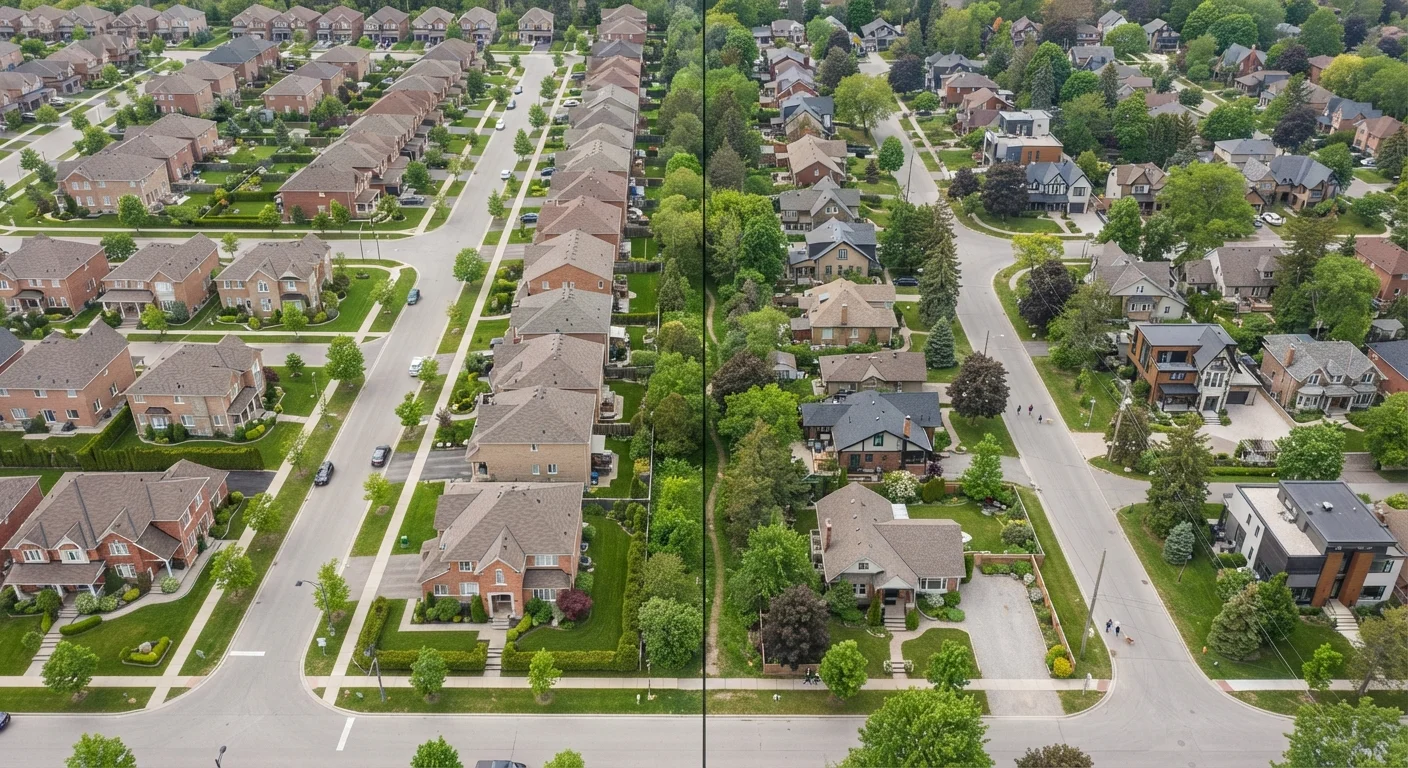
Photo: InDepthReads.com | Streamlining Learning For All editorial
Key Takeaways
- HOA fees typically fund shared amenities, landscaping, and reserve accounts for major repairs.
- Non-HOA owners have full control over property decisions but bear all maintenance costs individually.
- HOA governing documents are legally binding and enforceable — review them before purchasing.
- HOA membership is mandatory in communities where one exists; you cannot opt out after buying.
- Both options involve trade-offs between community oversight and personal property freedom.
What an HOA Actually Is
A homeowners association (HOA) is a legal entity established to manage and maintain a residential community's shared spaces and enforce a set of agreed-upon rules. When you purchase a home in an HOA community, membership is automatic and non-optional — you agree to abide by the governing documents as a condition of purchase.
Those governing documents typically include the Declaration of Covenants, Conditions, and Restrictions (CC&Rs), bylaws, and any community-specific rules. They may dictate everything from approved exterior paint colors to rules about parking, fence heights, lawn care standards, and short-term rentals. Violations can result in fines, and in serious cases, the HOA may have lien authority over your property for unpaid dues.
In exchange for those constraints, residents gain access to amenities — pools, fitness centers, walking paths, gated entry — and benefit from a reserve fund that covers major repairs to shared infrastructure. As understanding what homeownership entails makes clear, owning property involves layers of obligation beyond a mortgage payment, and HOA membership adds another structured layer on top.
| Criterion | HOA Community | Non-HOA Community |
|---|---|---|
| Monthly fees | Required; varies widely | None mandatory |
| Property use rules | Governed by CC&Rs | Local zoning only |
| Exterior modifications | Requires board approval | Owner's discretion |
| Shared amenities | Often included | Not typically available |
| Reserve fund for repairs | Collective reserve account | Individual savings required |
| Enforcement mechanism | HOA board; fines; liens | Municipal code enforcement |
| Membership | Mandatory upon purchase | Not applicable |
Life Without an HOA: Full Ownership, Full Responsibility
In a non-HOA community, your deed gives you broad authority over your property limited only by local zoning ordinances, building codes, and state law. Want to paint your house an unconventional color, install a large storage shed, or park a boat in the driveway? In most non-HOA jurisdictions, those decisions are yours to make without anyone's approval.
That freedom carries a corresponding responsibility: every maintenance cost, exterior improvement, and repair falls entirely to you. There is no shared reserve fund for neighborhood infrastructure, no collective landscaping contract, and no governing board to address a neighbor's derelict property if it affects yours — beyond what local code enforcement allows.
New homeowners often discover that the absence of an HOA doesn't mean the absence of rules. Local municipalities still enforce nuisance codes, setback requirements, and permit obligations. Before assuming a non-HOA home means zero oversight, review what your county or city regulates — it's often more than buyers expect.
HOA Rules Can Change After You Buy
Fees, Finances, and What the Numbers Mean
HOA fees vary widely — from under $100 per month in modest planned communities to several hundred dollars monthly in luxury developments or high-rise condominiums. These dues typically fund day-to-day operating expenses and contributions to a reserve fund, which accumulates capital for large future expenditures like roof replacements or repaving.
A poorly managed HOA with an underfunded reserve can issue a special assessment — a one-time charge to all members to cover unexpected or deferred costs. Before purchasing in an HOA community, request the most recent reserve study and financial statements. An underfunded reserve is a material financial risk worth weighing carefully.
Non-HOA homeowners carry those same eventual costs but manage them individually. Budgeting for major repairs — roof, driveway, HVAC — is entirely self-directed, which requires discipline but also flexibility. Either way, the costs of homeownership don't disappear; they're just distributed differently.
74 million
Americans living in HOA communities
According to the Foundation for Community Association Research, an estimated 74 million Americans lived in community associations as of recent years.
$200–$300
Typical monthly HOA fee range
Industry estimates place average HOA fees between roughly $200 and $300 per month, though amounts vary significantly by community type and region.
Making the Decision: What to Evaluate Before You Buy
Neither structure is objectively superior — the right fit depends on your lifestyle, financial habits, and tolerance for external governance. Before deciding, consider these evaluation points:
- Review the CC&Rs in full before making an offer on an HOA property. Restrictions that seem minor in writing can meaningfully affect how you live in and modify the home.
- Attend an HOA board meeting or request meeting minutes to gauge how the community is governed and whether disputes are handled professionally.
- Assess the reserve fund health — most states recommend reserves be funded at 70% or more of projected needs. A shortfall increases special assessment risk.
- Research local zoning for non-HOA properties to understand what neighbors can legally do and what protections — if any — exist for property character.
If you're weighing renovation plans, also understand that permits and local codes apply regardless of HOA status. HOA approval for an exterior project does not substitute for municipal permits where they are required.
The decision to buy into or avoid an HOA community is one of the more durable choices in homeownership — the structure stays with the property. Approaching it with clear-eyed information, rather than assumption, is the foundation of a confident decision. For a broader view of what ownership responsibilities look like across the board, see our overview of common homeownership myths that can lead buyers astray.
The content on this site is for informational purposes only and is not a substitute for professional advice. Always consult a qualified professional for guidance specific to your situation.