
When Your Landlord Won't Fix Something: What Renters Can Do

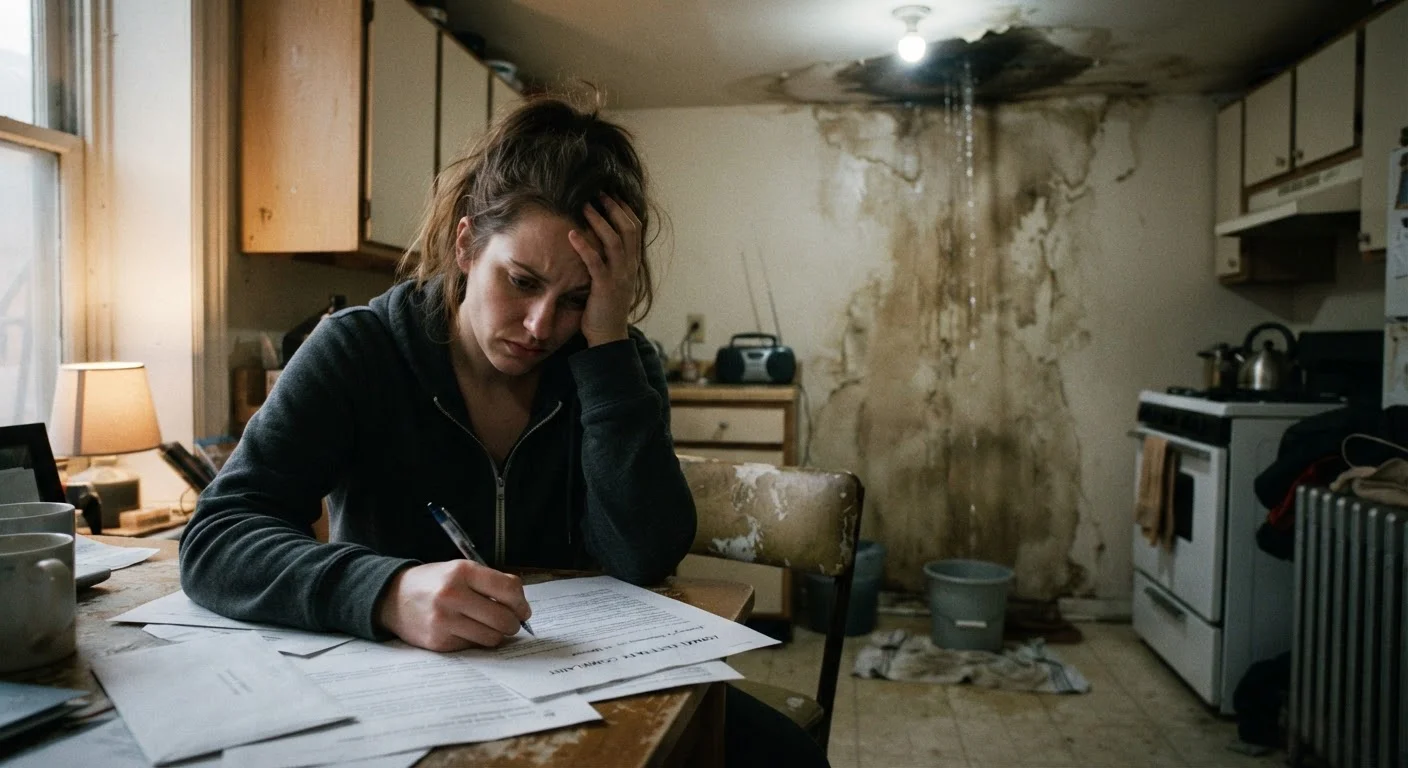
Photo: InDepthReads.com | Streamlining Learning For All editorial
Key Takeaways
- Landlords in most states are legally required to maintain habitable conditions under the implied warranty of habitability.
- All repair requests should be submitted in writing and preserved as documentation.
- Renters have several legal remedies: rent withholding, repair-and-deduct, and code enforcement complaints.
- Retaliation by a landlord after a complaint is illegal in most U.S. jurisdictions.
- Local tenant rights organizations can provide free, jurisdiction-specific guidance.
Understanding Your Rights Before You Act
Most states recognize the implied warranty of habitability — a legal standard requiring landlords to maintain rental units in a livable condition. This generally means functioning plumbing, heat, structural safety, and freedom from pest infestation. Your lease cannot waive this obligation. If a landlord fails to meet it, tenants typically have legal recourse.
The specific remedies available to you depend on your state and sometimes your city. Some jurisdictions allow renters to withhold rent until repairs are made; others permit a repair-and-deduct approach, where you hire a licensed contractor and subtract the cost from your next rent payment, up to a statutory limit. Knowing which tools apply where you live is essential before taking action.
If you're a first-time renter still getting oriented, see our ground-up overview of renting for foundational context on tenant and landlord responsibilities.
Start a Dedicated Repair Log
What to Do — Step by Step
Taking a methodical approach protects you legally and creates the paper trail you may need if the dispute escalates. Follow these steps in order.
Review Your Lease and Know the Issue Type
Read your lease carefully to understand which repairs your landlord is explicitly responsible for. Distinguish between habitability issues (heat, water, structural safety) — which are legally protected in most states — and minor cosmetic concerns, which carry less legal weight. The severity of the issue affects which remedies you can pursue.
Submit a Written Repair Request
Even if you've already spoken verbally, follow up with a written request via email or certified mail. Your message should include: a clear description of the problem, the date it was first reported, and a reasonable deadline for repair — typically 14 to 30 days for non-emergency issues, and 24 to 48 hours for urgent hazards like no heat in winter or a gas leak.
Keep a copy of every message you send and every response you receive.
Send a Formal Demand Letter If No Response
If the deadline passes without action, send a formal demand letter via certified mail with return receipt requested. State the original request date, the nature of the repair, the consequences of inaction under your state's landlord-tenant law, and the specific remedy you intend to pursue if the repair is not completed. This letter signals you are prepared to escalate and becomes part of your legal record.
Contact Code Enforcement or a Tenant Rights Resource
File a complaint with your local housing or building code enforcement office. Request an inspection in writing and keep your confirmation. You may also reach out to a local tenant rights organization or legal aid office for jurisdiction-specific guidance on next steps, including whether rent escrow, repair-and-deduct, or lease termination are available to you.
Document Everything Through Resolution
Continue photographing the issue at regular intervals and saving all correspondence until the repair is fully completed. Note dates when contractors visit, what work was done, and whether the problem recurs. This ongoing record is invaluable if you later need to pursue damages in small claims court or defend against deposit deductions.
Many renters accept poor conditions because they believe they have no leverage. Our article on renting myths that hold tenants back addresses several of the most common misconceptions about what tenant law actually allows.
Never Withhold Rent Without Legal Guidance
When the Problem Still Isn't Fixed
If your landlord continues to ignore documented requests, escalate through formal channels. File a complaint with your local housing code enforcement office or building department. An inspector can visit the property, issue a violation notice, and in some cases compel the landlord to complete repairs within a set timeframe.
You may also contact a local tenant rights organization or legal aid office — many provide free consultations and can tell you exactly which remedies are available in your jurisdiction. Small claims court is another option for seeking damages or repair costs, particularly if you've already paid out of pocket.
Keep in mind that security deposit disputes often intersect with unresolved maintenance. If your landlord later attempts to deduct from your deposit for damage that was actually their deferred maintenance obligation, your documentation will be your primary defense. Our article on how security deposits work explains what landlords can and cannot legally deduct.
Landlord Retaliation Is Illegal
The content on this site is for informational purposes only and is not a substitute for professional advice. Always consult a qualified professional for guidance specific to your situation.