
Sinking Funds: A Quieter Way to Stay Out of Debt

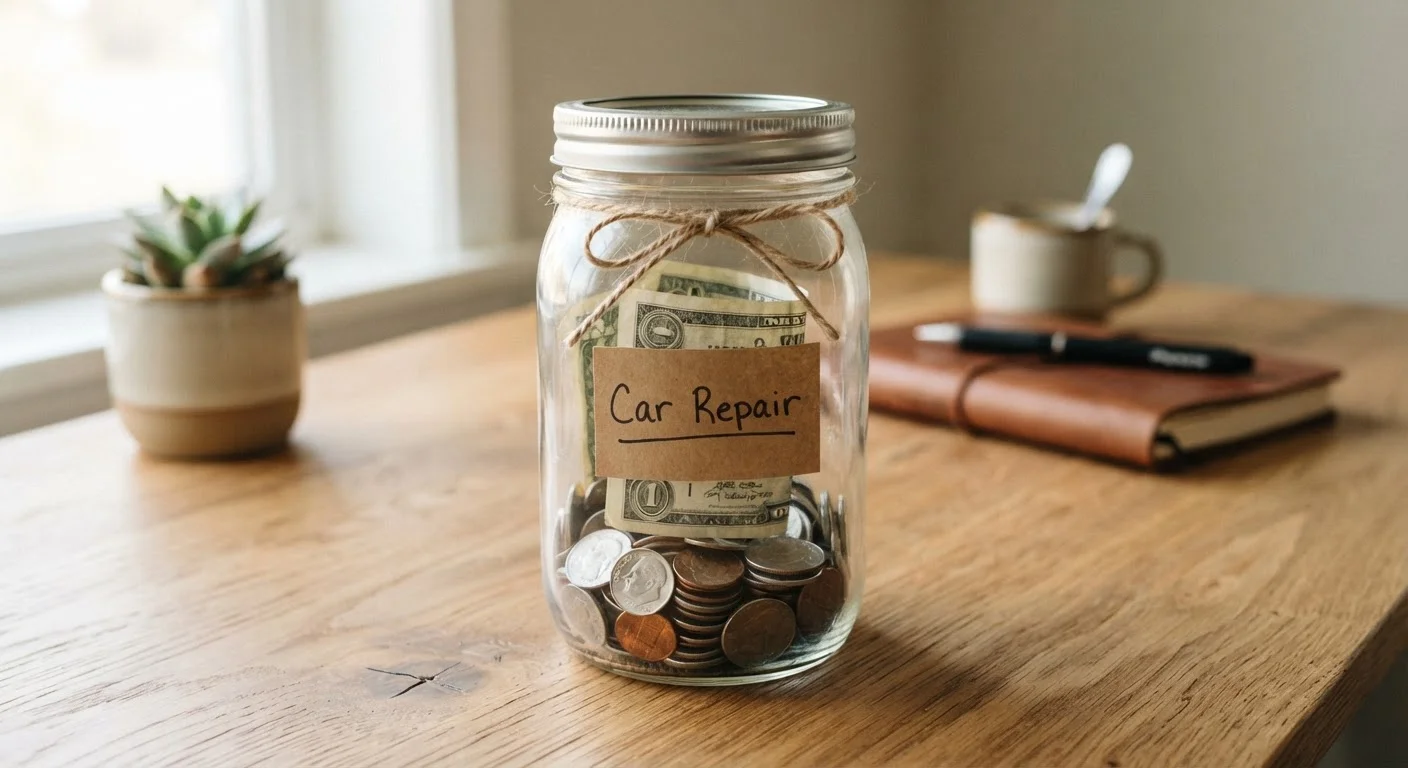
Photo: InDepthReads.com | Streamlining Learning For All editorial
Key Takeaways
- A sinking fund saves for predictable future costs in small, regular installments.
- It reduces reliance on credit cards or loans when irregular bills arrive.
- Sinking funds are separate from emergency funds — each serves a distinct purpose.
- You can maintain several sinking funds simultaneously for different expense categories.
- Consistency matters more than the size of each contribution.
What Problem Does a Sinking Fund Solve?
Most household budgets account well for monthly bills — rent, utilities, groceries. Where they break down is on expenses that arrive irregularly: a car registration in October, holiday gifts in December, or a dental visit in the spring. These costs are predictable in nature, even if their exact timing varies. Without a plan, they tend to land as financial shocks — and shocks often get charged to a credit card.
This is where a sinking fund earns its usefulness. Instead of treating a $900 car service bill as a surprise, you treat it as a known future commitment and fund it gradually. The result is that when the bill arrives, the cash is already there.
Irregular expenses are among the most common spending leaks that erode carefully planned budgets. Sinking funds are one of the most direct remedies.
How to Calculate and Build a Sinking Fund
Setting up a sinking fund requires three inputs: the anticipated expense amount, the target date, and the number of months until then. The math is straightforward — divide total cost by months remaining to arrive at a monthly contribution.
- Identify the expense: Be specific. 'Car costs' is too broad; 'annual registration and one routine service' is workable.
- Estimate the total: Use past bills, manufacturer schedules, or service provider quotes to anchor your estimate. Round up slightly to absorb small surprises.
- Set a monthly deposit: Automate the transfer so the contribution happens without relying on willpower each month.
For those managing tight cash flow, even a small monthly contribution beats none at all. Small, consistent savings habits compound meaningfully over time — the same principle applies to sinking funds.
~$400
Amount many Americans cannot cover from savings alone
Federal Reserve survey data has consistently found that a significant share of U.S. adults would struggle to cover a $400 unexpected expense without borrowing or selling something.
1 in 3
U.S. adults with no dedicated savings for irregular costs
Surveys from financial research organizations regularly find that a substantial portion of households have no earmarked savings for predictable irregular expenses, leaving them reliant on credit.
Sinking Funds vs. Emergency Funds: A Clear Distinction
A common point of confusion is conflating sinking funds with emergency funds. They are related but serve entirely different purposes, and a strong financial plan needs both.
An emergency fund is a general-purpose cash buffer for the genuinely unexpected — a job loss, an urgent medical expense, or a major appliance failing without warning. Financial educators generally recommend keeping three to six months of essential expenses in this reserve. Maintaining an emergency fund alongside debt repayment is broadly recommended because without it, any disruption tends to create new debt.
A sinking fund, by contrast, is purpose-built and time-bound. You know roughly what it's for and roughly when you'll spend it. The two accounts work in parallel: the emergency fund handles the unpredictable; sinking funds handle the predictable-but-irregular.
“The goal of a budget isn't just to track spending — it's to make room for the costs you already know are coming. A sinking fund is one of the simplest tools that lets you do exactly that.”
— Personal Finance Editorial Team, Financial education writers focused on practical household budgeting
Practical Applications Across Common Expense Categories
Sinking funds are most valuable for expenses that recur annually or semi-annually, or that follow predictable life events. Common categories include:
- Vehicle maintenance: Oil changes, tires, registration fees, and scheduled services.
- Home upkeep: Seasonal maintenance, appliance replacement reserves, and minor repairs. Homeowners especially benefit from dedicated reserves given the range of recurring costs.
- Annual subscriptions and insurance: Premiums paid annually often carry a discount over monthly billing, making a sinking fund doubly efficient.
- Holiday and travel spending: Setting a budget in January and funding it monthly removes the December credit card scramble.
- Medical and dental: Predictable co-pays, dental cleanings, or eyewear expenses fit well into a sinking fund model.
Running multiple sinking funds simultaneously is common. The key is that combined monthly contributions remain realistic within your overall budget. For a deeper look at structuring these, the Budgeting Basics hub covers frameworks for organizing multiple savings goals alongside regular spending.
Frequently Asked Questions
The content on this site is for informational purposes only and is not a substitute for professional advice. Always consult a qualified professional for guidance specific to your situation.