
Dental Disease Is the Most Overlooked Pet Health Problem

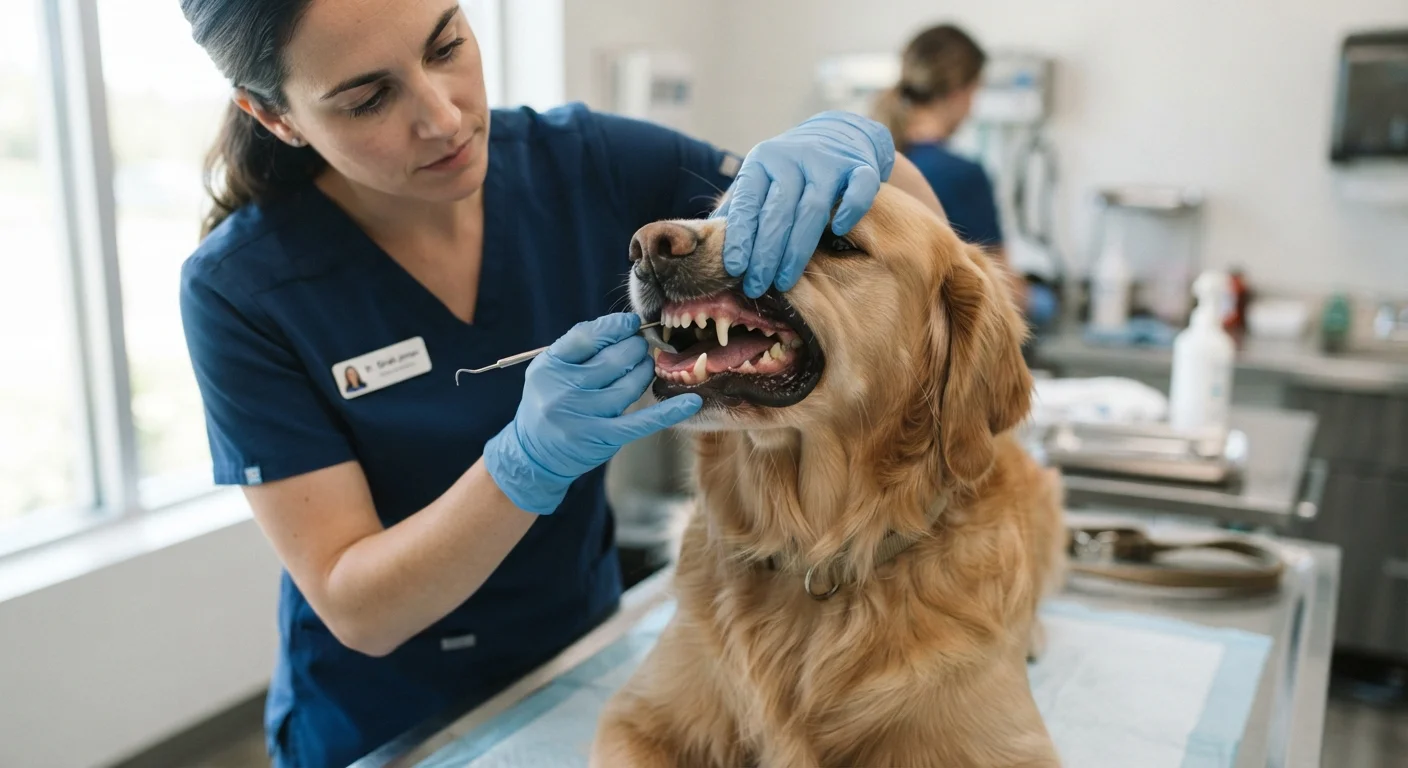
Photo: InDepthReads.com | Streamlining Learning For All editorial
Key Takeaways
- Studies suggest the majority of dogs and cats show evidence of dental disease by age three.
- Periodontal disease is largely silent in early stages — pets rarely show obvious pain until the condition is advanced.
- Untreated dental disease can affect the heart, kidneys, and liver through chronic bacterial spread.
- Daily tooth brushing remains the single most effective at-home prevention measure.
- Only a professional veterinary cleaning under anesthesia can remove tartar below the gumline.
Why Dental Disease Gets Missed So Often
Dental disease doesn't announce itself. Unlike a limp or a skin rash, the early stages of periodontal disease are hidden inside a pet's mouth, produce no dramatic symptoms, and are easy to attribute to something benign — like normal "dog breath." By the time an owner notices their pet struggling to eat or pawing at its face, significant damage has often already occurred.
Veterinary organizations consistently identify periodontal disease as the most frequently diagnosed health condition in adult dogs and cats. The underlying cause is straightforward: bacteria in the mouth form plaque, which mineralizes into tartar within days if not removed. Tartar accumulates below the gumline, triggering an immune response that destroys the very tissue meant to anchor teeth in place.
Because animals instinctively mask discomfort, owners are often the last to know their pet is affected. If your pet has changed what it chews, eats more slowly, or seems off in subtle ways, a behavior change may point to an underlying medical issue worth discussing with your vet.
~80%
Dogs with dental disease signs by age 3
Veterinary consensus estimates the majority of dogs show evidence of periodontal disease by age three, making it the most prevalent diagnosed condition in adult canines.
70%+
Cats affected by dental disease by age 3
Similar prevalence is documented in cats, with periodontal disease and tooth resorption affecting most cats before they reach middle age.
Grade 1
Only reversible stage of periodontal disease
Professional dental organizations note that gingivitis (Grade 1) is the sole stage where treatment can fully restore the supporting structures without permanent loss.
How Periodontal Disease Progresses
The disease moves through four clinically recognized grades. Grade 1 — gingivitis — is fully reversible with a professional cleaning and improved home care. The gums are red and mildly inflamed, but no permanent damage has occurred. This is the critical intervention window most owners and even some veterinarians miss during routine visits.
At Grades 2 and 3, the connective tissue and bone supporting the tooth begin to erode. Pockets form between the tooth and gum, creating warm, anaerobic environments where bacteria thrive. By Grade 4, bone loss is severe, teeth may be mobile or abscessed, and pain — though often still hidden by the animal — is significant.
The consequences don't stop at the mouth. Bacteria from infected gum tissue can enter the bloodstream and reach major organs. Veterinary research has documented associations between advanced periodontal disease and changes in cardiac, renal, and hepatic tissue. This is one reason dental health is increasingly discussed as a whole-body concern rather than a cosmetic one.
What You Can Actually Do at Home
Daily tooth brushing is the most evidence-backed home care strategy available to pet owners. The goal is mechanical disruption of the bacterial plaque film before it mineralizes. Even brushing three to four times per week provides meaningful benefit over no brushing at all. Use only products formulated specifically for pets — human toothpaste contains ingredients that are harmful to animals.
Introduce Tooth Brushing Gradually
Dental chews, water additives, and certain diets can reduce plaque accumulation, but they are adjuncts to brushing — not replacements. The Veterinary Oral Health Council (VOHC) publishes a list of products that have met specific standards for plaque or tartar reduction; your veterinarian can help you evaluate what's appropriate for your pet's size, age, and health status.
Diet quality also plays a supporting role. Nutritional deficiencies can affect gum and tissue resilience, and some owners underestimate how feeding habits influence oral health. If you're concerned about whether your pet's overall nutrition is supporting its health, signs your pet's diet may not be working offers a practical framework for evaluation. The Pet Nutrition & Diet hub covers these topics in greater depth.
The Role of Professional Veterinary Dental Care
Home care slows plaque accumulation, but it cannot remove tartar that has already formed — especially below the gumline. Only a professional veterinary dental cleaning performed under general anesthesia allows the veterinarian and veterinary technician to scale subgingival surfaces, probe for pocket depth, and take dental radiographs that reveal bone loss invisible to the naked eye.
Anesthesia is a concern many owners raise. While no procedure is entirely without risk, modern anesthetic protocols tailored to the individual animal — including pre-anesthetic bloodwork and continuous monitoring — have made professional dental cleanings a routine and generally safe procedure for healthy adult pets. The risk of untreated, advancing dental disease typically outweighs the risk of a well-managed anesthetic event.
If your pet is already showing signs of discomfort, don't wait for the next annual exam. Signs your pet may be in pain can help you recognize when a more urgent conversation with your veterinarian is warranted.
This article is for general informational purposes only and is not a substitute for professional veterinary advice. Always consult a licensed veterinarian for guidance specific to your pet's health.
Frequently Asked Questions
The content on this site is for informational purposes only and is not a substitute for professional advice. Always consult a qualified professional for guidance specific to your situation.