
Transitioning Your Pet to a New Food Without Digestive Upset

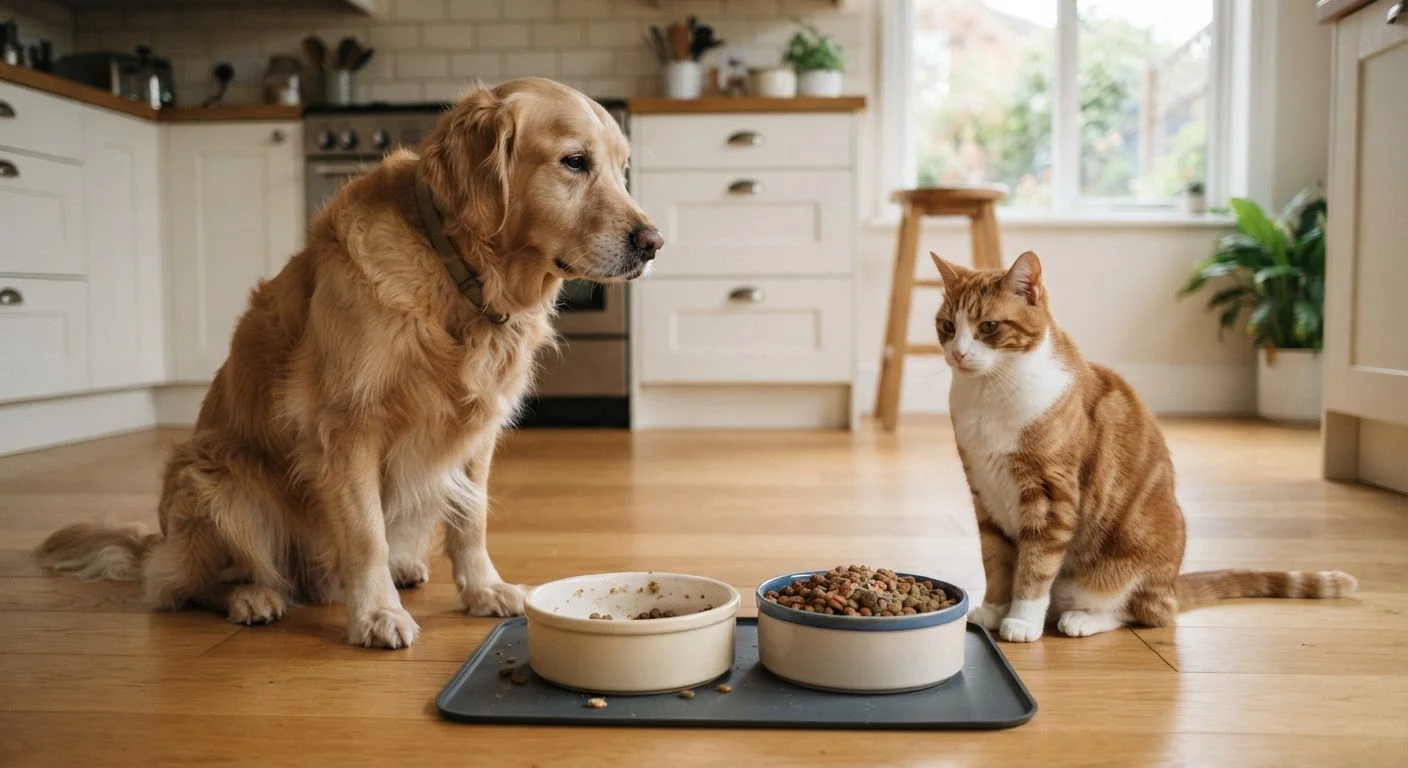
Photo: InDepthReads.com | Streamlining Learning For All editorial
Key Takeaways
- Abrupt food switches are a leading cause of vomiting, diarrhea, and appetite loss in pets.
- A 7–10 day gradual transition is the veterinary standard for most healthy dogs and cats.
- Pets with sensitive stomachs or chronic illness often need a longer extended transition period.
- Stool consistency is the most reliable daily indicator of appropriate transition pace.
- Always consult your veterinarian before changing the diet of a pet with a medical condition.
Why Sudden Diet Changes Cause Digestive Problems
A pet's gastrointestinal tract is colonized by trillions of microorganisms — collectively called the gut microbiome — that are calibrated to digest a specific diet. When you swap foods overnight, those microbial communities don't have time to adapt, and the result is often loose stools, gas, vomiting, or a pet that simply refuses to eat. This isn't a sign that the new food is bad; it's a sign that the transition moved too fast.
The digestive enzymes a pet produces are also partially diet-specific. A sudden influx of unfamiliar proteins, fat levels, or fiber types can overwhelm these enzyme systems and irritate the intestinal lining. Puppies, kittens, senior pets, and animals with a history of gastrointestinal sensitivity are especially vulnerable. If you're still building foundational knowledge about what your pet actually needs in a bowl, our introduction to pet nutrition basics is a helpful starting point.
Slower Is Almost Always Better
What You'll Need Before You Start
Preparation makes the transition smoother and gives you a clear record to share with your vet if problems arise.
What you will need
Step-by-Step Transition Guide
Follow these steps for a standard healthy adult dog or cat. Adjust the timeline as needed based on your individual pet's response.
Confirm the New Food Is Appropriate for Your Pet
Before opening the new bag, verify that the food is formulated for your pet's species, life stage (puppy/kitten, adult, senior), and any health considerations your vet has flagged. Look for an AAFCO (Association of American Feed Control Officials) nutritional adequacy statement on the label — this confirms the diet meets established minimum nutrient profiles. If your pet has kidney disease, pancreatitis, food allergies, or another diagnosed condition, get explicit veterinary approval before proceeding.
Days 1–3: 75% Old Food, 25% New Food
Measure both foods carefully and mix them thoroughly in your pet's bowl. Mixing matters — some pets will pick out the familiar pieces and leave the new food behind if the portions are simply layered. Feed your pet's normal total daily volume, just with this new ratio. Observe stool firmness and overall appetite at each meal.
Days 4–5: 50% Old Food, 50% New Food
Increase the new food to half of the total daily ration. This is the point where digestive responses — if they are going to occur — most commonly appear. Soft stools at this stage are common and not automatically a cause for alarm, but persistent watery diarrhea lasting more than 24 hours warrants a call to your veterinarian.
Days 6–7: 25% Old Food, 75% New Food
Most healthy pets tolerate this ratio well if the earlier stages went smoothly. Continue monitoring stool consistency and energy levels. If you notice regression — stools that were firming up now becoming loose again — hold at this ratio for an additional two to three days before moving forward rather than pushing through.
Day 8 Onward: 100% New Food
For most healthy adult pets, day eight marks the full switch. Continue feeding the new food exclusively and observe your pet's overall condition over the coming weeks. Normal stool, stable appetite, and maintained energy are all positive indicators that the transition succeeded.
Pets with known sensitivities, or seniors whose needs are shifting, may benefit from an even more gradual 14-day protocol. See our guide on nutritional shifts for aging pets for considerations specific to older animals.
Don't Confuse Finickiness With Illness
After completing the transition, monitor your pet over the following two to four weeks for subtler signals — energy level, coat quality, and body weight — that indicate the new food is genuinely agreeing with them. Our article on signs your pet's diet may not be working outlines what to watch for beyond the initial adjustment period.
If you're making this switch as part of a move to home-cooked meals, understand that the stakes are higher. Our honest look at homemade versus commercial pet diets covers the nutritional trade-offs worth considering before you commit.
This article provides general educational information about pet feeding practices and is not a substitute for personalized veterinary advice. Consult your veterinarian before changing the diet of any pet with a medical condition, food allergy, or special nutritional need.
The content on this site is for informational purposes only and is not a substitute for professional advice. Always consult a qualified professional for guidance specific to your situation.