
Consumer Protection Agencies in the U.S.: Who Handles What

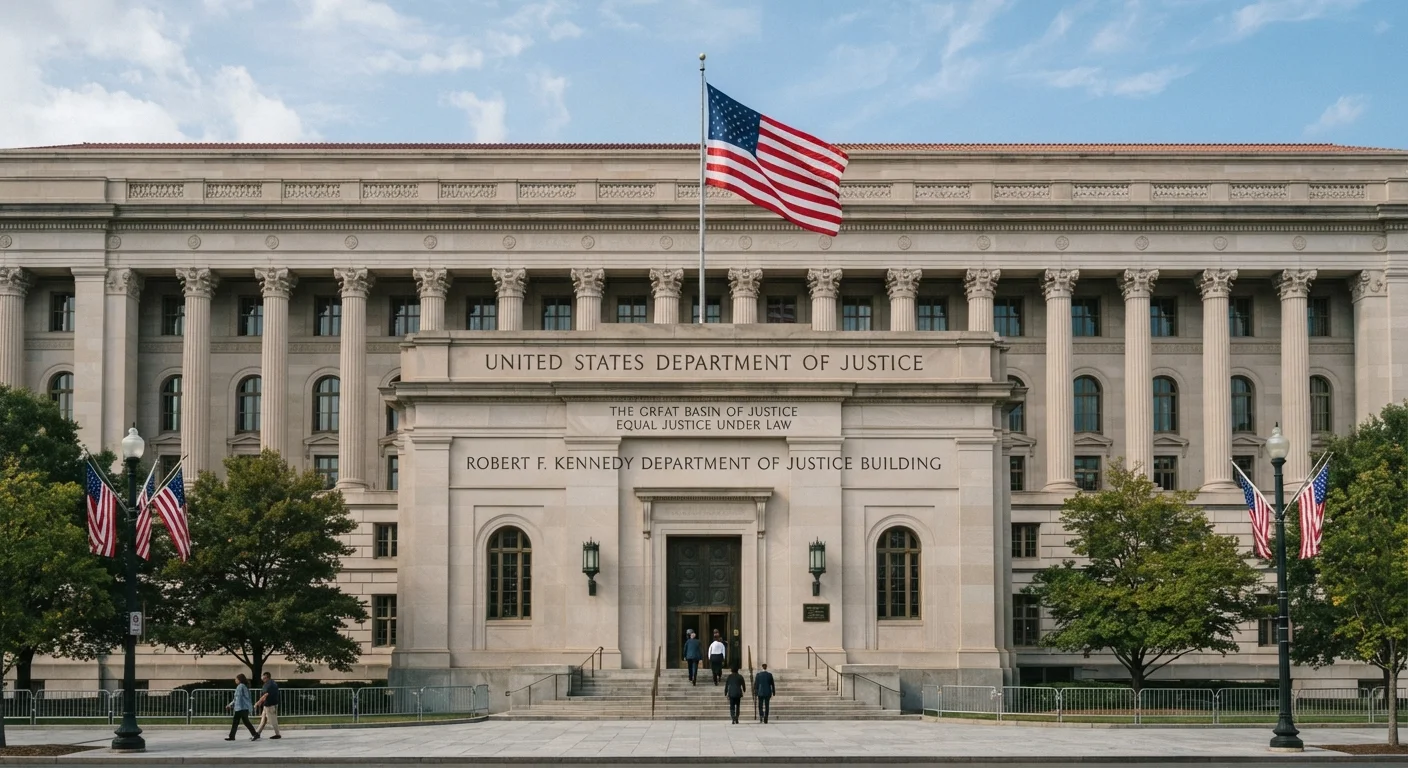
Photo: InDepthReads.com | Streamlining Learning For All editorial
The Landscape: Why There Are So Many Agencies
Consumer protection in the United States is deliberately layered. No single agency covers every type of dispute, which means knowing where to send a complaint is half the battle. Federal agencies set national standards, state attorneys general enforce those rules locally, and organizations like the Better Business Bureau operate outside government entirely. Understanding who does what prevents wasted time filing with the wrong office.
| FTC complaint portal | ReportFraud.ftc.gov (Federal Trade Commission) |
| CFPB complaint portal | ConsumerFinance.gov/complaint (Consumer Financial Protection Bureau) |
| CPSC product safety reports | SaferProducts.gov (U.S. Consumer Product Safety Commission) |
| FCC telecom complaints | consumercomplaints.fcc.gov (Federal Communications Commission) |
| State AG contact | Search your state's official .gov website (National Association of Attorneys General) |
| BBB complaint type | Mediation only — no enforcement power (Better Business Bureau) |
For a deeper look at what to say when you contact any of these agencies, see how to file a complaint that actually gets resolved.
Federal Consumer Protection Agencies
Federal Trade Commission (FTC) — The FTC is the primary federal agency for general consumer fraud, deceptive advertising, identity theft, and anti-competitive business practices. It does not resolve individual disputes directly, but consumer reports feed investigations that can lead to enforcement actions and refund programs. File at ReportFraud.ftc.gov.
Consumer Financial Protection Bureau (CFPB) — Created by the Dodd-Frank Act, the CFPB specifically oversees financial products: mortgages, credit cards, student loans, debt collectors, and credit reporting agencies. Unlike the FTC, the CFPB actively forwards individual complaints to companies and tracks their responses. File at ConsumerFinance.gov/complaint.
Consumer Product Safety Commission (CPSC) — The CPSC handles hazardous or defective physical products — toys, appliances, electronics, household goods. If a product injured you or poses a safety risk, report it at SaferProducts.gov. The CPSC can issue recalls and work with manufacturers on remedies.
Federal Communications Commission (FCC) — Telecommunications complaints — unwanted robocalls, misleading wireless billing, internet service issues — fall under the FCC. File at consumercomplaints.fcc.gov.
Chargeback
A reversal of a credit or debit card transaction initiated by the cardholder's bank, typically used when a purchase is disputed as unauthorized, fraudulent, or undelivered. It is governed by card network rules and the Fair Credit Billing Act.
Enforcement Action
A formal legal proceeding initiated by a government agency against a company or individual for violating consumer protection laws. Actions can result in fines, injunctions, or mandated refund programs.
State Attorney General (AG)
The chief legal officer of a U.S. state, responsible for enforcing state and certain federal laws including consumer protection statutes. Most AG offices have a consumer division that mediates complaints.
Mediation
An informal process in which a neutral third party — such as a state consumer office or the BBB — facilitates communication between a consumer and a business to reach a voluntary resolution. Unlike court proceedings, outcomes are not legally binding unless agreed upon in writing.
State-Level Enforcement: Attorneys General and More
State attorneys general (AGs) are often the most effective resource for resolving individual consumer complaints. They enforce both federal consumer protection laws and state-specific statutes, and many operate dedicated consumer protection divisions that mediate disputes directly between consumers and businesses. Because companies operating in a state are subject to state law, a formal AG complaint can carry real weight.
State-level consumer agencies vary — some states have separate departments of consumer affairs or financial protection offices that handle matters like landlord-tenant disputes, auto dealer fraud, or contractor licensing. Search your state's official government website for "consumer protection" to find the correct office.
State Laws Can Exceed Federal Protections
If a seller is refusing a return or refund outright, your state AG's office is often the fastest escalation path. See escalation paths that work when a seller refuses a refund for a step-by-step breakdown.
The BBB and Other Non-Governmental Organizations
The Better Business Bureau (BBB) is a private nonprofit, not a government body. It has no enforcement power — it cannot fine companies, compel refunds, or take legal action. What it can do is mediate disputes, maintain public complaint records, and assign business ratings that some consumers and businesses monitor closely. Filing with the BBB works best when a business values its reputation and responds to public pressure. It is not a substitute for filing with a government agency when you've experienced fraud or a legal violation.
Payment networks and card issuers are another non-agency resource. If a merchant dispute is unresolved, your credit or debit card issuer can initiate a chargeback under the Fair Credit Billing Act. This is a contractual process, not a government proceeding, but it is often faster and more reliable than waiting on an agency investigation for straightforward purchase disputes.
5.7M+
Reports filed with the FTC annually
According to FTC Consumer Sentinel Network data, millions of fraud and identity theft reports are submitted by U.S. consumers each year.
$3B+
Returned to consumers via CFPB actions
The CFPB has reported returning billions of dollars to consumers through enforcement actions and supervisory activities since its founding in 2011.
The content on this site is for informational purposes only and is not a substitute for professional advice. Always consult a qualified professional for guidance specific to your situation.