
The Everyday Style Playbook: Building Outfits That Work in the Real World

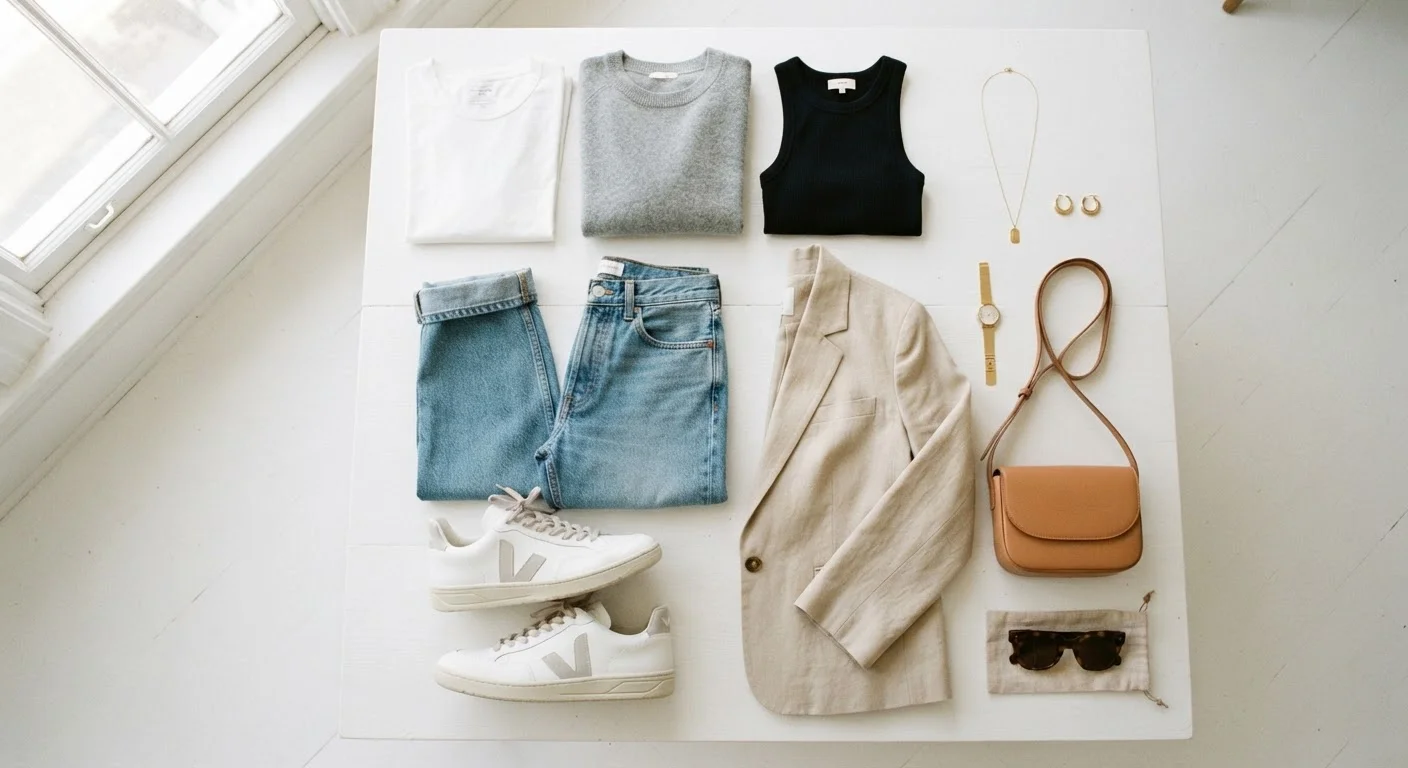
Photo: InDepthReads.com | Streamlining Learning For All editorial
Key Takeaways
- Everyday style works best when it reflects your actual routine, not an idealized one.
- A small set of versatile, well-fitting pieces outperforms a crowded closet every time.
- Outfit formulas reduce decision fatigue and make getting dressed genuinely easier.
- Smart wardrobe spending is about cost-per-wear, not sticker price.
- Regular closet maintenance keeps your style sharp without starting from scratch.
What "Everyday Style" Actually Means
Everyday style isn't about looking runway-ready at the grocery store. It's about feeling put-together and confident whether you're headed to a job interview, a casual lunch, or just running errands. The goal is a wardrobe that solves real problems — not one built around aspirational scenarios you rarely live.
The most stylish people aren't necessarily buying the most clothes. They've figured out what works for their life and lean into it consistently. That clarity is what makes getting dressed feel easy instead of stressful.
Start With Your Real Life, Not Your Dream Life
Know Your Real-Life Dress Code
Before buying a single item, map out how you actually spend your week. Do you work from home three days and commute the other two? Do your weekends swing between farmer's markets and birthday dinners? Be honest about the ratio — because dressing well starts with dressing appropriately.
Sketch a rough breakdown: roughly what percentage of your time is work, casual, active, and social? Your wardrobe investment should mirror those percentages. If you work from home 80% of the time but your closet is full of blazers, that's a mismatch worth fixing. A wardrobe audit can help you see those gaps clearly.
80%
Clothes worn only 20% of the time
The commonly cited 80/20 rule in wardrobe research suggests most people regularly wear only a small fraction of what they own.
~$1,700
Average annual U.S. clothing spend per person
According to the U.S. Bureau of Labor Statistics Consumer Expenditure Survey, American households spend roughly this amount on apparel and services annually.
Building a Flexible Wardrobe Foundation
A functional wardrobe is built around pieces that cross contexts. Think of these as your "outfit building blocks" — items that layer, mix, and remix across multiple looks. Classic examples include well-fitting dark jeans, neutral crewneck tops, a tailored chino or trouser, a versatile jacket, and clean-lined shoes in a neutral color.
Fit is non-negotiable. A mid-priced item that fits well will always look sharper than an expensive piece that doesn't. If something needs minor tailoring, factor that into the real cost — it's often worth it.
Aim for a palette that plays well internally. When most of your pieces share a color family — neutrals anchored by one or two accent colors — everything coordinates without effort.
When building out your basics, hold each piece up to three others you already own. If it pairs naturally with all three, it earns its place in your closet.
Invest in one quality pair of shoes per style category — casual, work, and active — before expanding. Footwear anchors the perceived quality of an entire outfit.
The Art of Getting Dressed Faster
Decision fatigue is real, and it hits hardest at 7 a.m. Outfit formulas solve this. A formula is a repeatable structure — like fitted top + straight-leg pants + loafers or layered tee + overshirt + sneakers — that you plug different pieces into. Once you have two or three reliable formulas, getting dressed becomes fast and almost automatic.
Another trick: organize your closet by outfit type rather than garment type. Grouping "work looks" together or "casual weekend" pieces in one zone means you're not scanning the whole closet every morning.
“Getting dressed well is less about having the right clothes and more about knowing exactly what you're going to do with what you already have.”
— Tim Gunn, Fashion educator and television personality
Making Style Work on a Real Budget
Style doesn't require a large clothing budget — it requires a thoughtful one. The key metric isn't how much something costs but how often you'll actually wear it. A $60 pair of jeans you wear 100 times costs 60 cents per wear. A $20 top you wear twice costs $10 per wear.
Prioritize spending on high-contact, high-visibility pieces — shoes, outerwear, and well-cut bottoms. These anchor your look and tend to set the perceived quality of an entire outfit. For layering basics and casual tops, more affordable options often work just as well.
If you're working toward smarter spending overall, the fundamentals in budgeting basics translate directly to how you think about clothing purchases.
Avoid the "Bargain Trap"
Maintaining What You Own
A well-maintained wardrobe looks more expensive and lasts significantly longer. Simple habits make a real difference: hang clothes after wearing them, learn basic care label symbols, wash delicates on gentle cycles, and store knitwear folded rather than hung to prevent stretching.
Address small repairs early — a loose button or a minor hem unravel quickly if ignored. Most alterations and repairs at a local tailor are surprisingly affordable and extend the life of pieces you love.
Once or twice a year, revisit what you own with fresh eyes. Removing items that no longer fit, feel right, or serve your life creates space for pieces that actually work. A focused closet review is the best reset you can give your style.
Active Lifestyles Count Too
The content on this site is for informational purposes only and is not a substitute for professional advice. Always consult a qualified professional for guidance specific to your situation.