
Grounding Techniques for Moments of Anxiety or Overwhelm

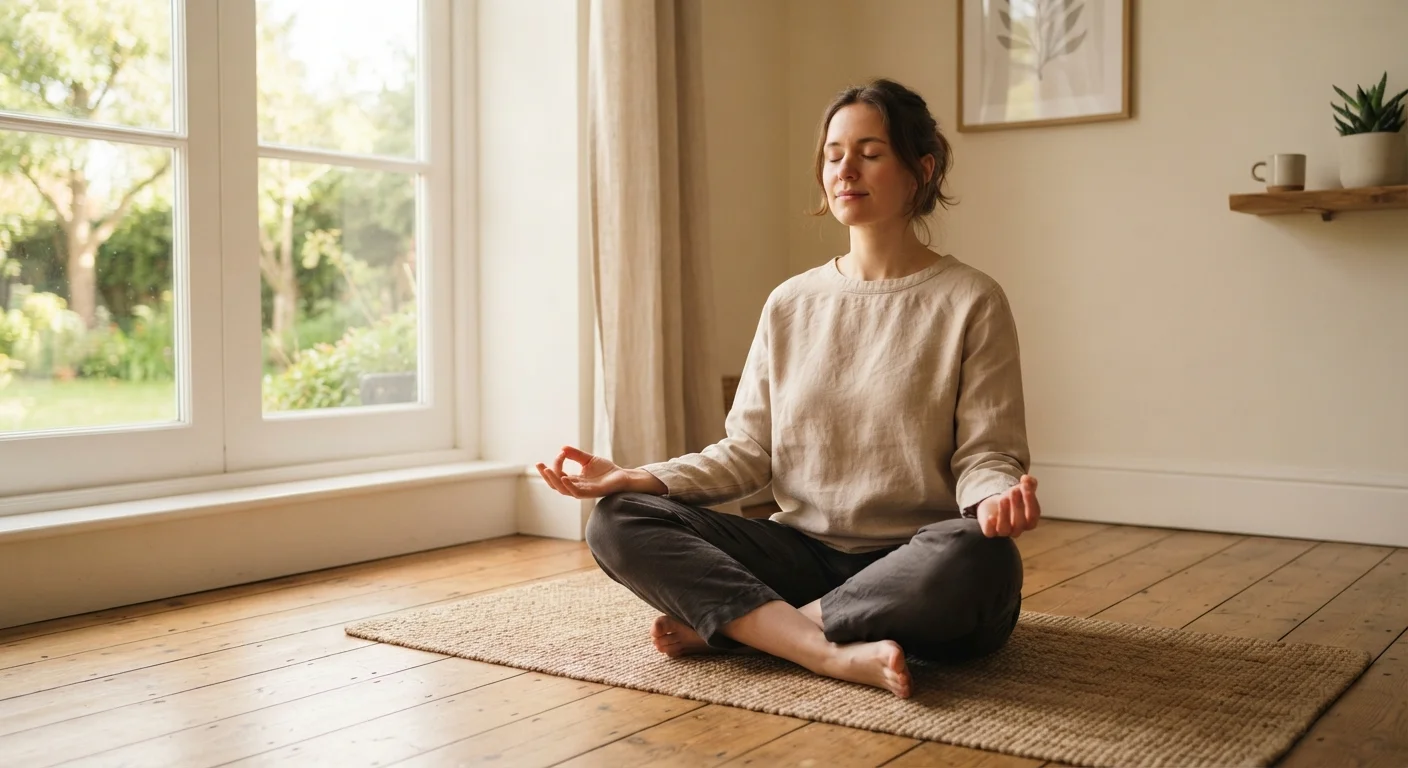
Photo: InDepthReads.com | Streamlining Learning For All editorial
Key Takeaways
- Grounding techniques interrupt anxious thought loops by redirecting attention to the present moment.
- Sensory, cognitive, and breathing-based methods each work through distinct but overlapping mechanisms.
- These exercises are accessible and require no equipment, making them practical in most everyday situations.
- Grounding is a coping tool, not a replacement for professional mental health care when anxiety is persistent.
Why Grounding Works: The Science Behind the Practice
Anxiety tends to pull attention out of the present and into anticipated threats — things that haven't happened yet or may never occur. Grounding techniques interrupt this pattern by redirecting the brain's focus to immediate, concrete sensory or cognitive input. Research in cognitive behavioral therapy (CBT) and trauma-informed care has long recognized grounding as a reliable first-line coping strategy for acute distress.
The mechanism involves competing demands on attention. The brain has a limited attentional bandwidth, and when it is fully engaged with a sensory scan or controlled breathing, the cognitive resources available for anxious rumination shrink. Simultaneously, slow breathing directly influences the autonomic nervous system, lowering heart rate and reducing physiological arousal. These aren't separate effects — they work together.
Grounding doesn't eliminate anxiety or its underlying causes. What it does is create a temporary circuit break: a moment of regulated calm in which clearer thinking becomes possible. For anyone navigating ongoing worry, combining grounding with practices like reflective journaling may provide additional emotional processing benefits. It's also worth understanding the difference between everyday stress and something more persistent — see when worry becomes a problem for more context.
Grounding Is Not a Substitute for Professional Care
How to Practice: Step-by-Step Techniques
The following techniques can be used individually or combined, depending on the situation and your personal preference. There is no universally superior method — what works consistently for one person may feel awkward for another. Experiment during calm periods to identify which approaches resonate.
What you will need
Try the 5-4-3-2-1 Sensory Scan
This widely used exercise anchors attention by systematically engaging all five senses. Name 5 things you can see, 4 you can physically feel (the chair beneath you, your feet on the floor), 3 you can hear, 2 you can smell, and 1 you can taste. Move at a deliberate pace through each sense rather than rushing. The goal is active noticing — specific details, not general labels.
Use Controlled Breathing to Regulate Your Nervous System
Slow, intentional breathing activates the parasympathetic nervous system — the body's rest-and-digest counterpart to the stress response. A simple approach: inhale slowly through the nose for a count of four, hold briefly for two counts, then exhale through the mouth for six counts. The extended exhale is key; it signals safety to the body. Repeat four to six cycles before assessing whether anxiety has eased.
Engage a Physical Anchor
Physical sensation interrupts cognitive rumination by demanding the brain process concrete, immediate input. Hold a cold glass of water, press your feet firmly into the floor, or run your hands under cool tap water. Notice the temperature, texture, and pressure in specific terms. This is not distraction — it is deliberate redirection toward what is real and present.
Use a Cognitive Grounding Task
Cognitive grounding engages the prefrontal cortex — the reasoning part of the brain — which can help quiet the more reactive limbic regions. Simple tasks work well: count backward from 100 by sevens, name one item in each category (animals, cities, foods) alphabetically, or recall the details of a familiar walk. The mental effort should be modest but genuine — enough to occupy attention without adding frustration.
Ground Through Intentional Movement
Gentle, deliberate physical movement — slow walking, slow shoulder rolls, or pressing your palms together with resistance — can discharge physical tension and return awareness to the body. Walk slowly and name each footfall: heel, arch, toe. The deliberateness matters more than the intensity. This approach is especially useful when stillness itself feels difficult during heightened anxiety.
Practice Before You Need It
Avoidance Is Not the Same as Grounding
If you find grounding helpful, you may also want to explore complementary approaches. Mindfulness and meditation share some overlap with grounding but involve distinct practices — understanding the difference can help you build a more complete toolkit. For those interested in movement as regulation, the Fitness & Movement hub offers practical guidance on sustainable physical activity that supports overall well-being.
This article is for general informational and educational purposes only and does not constitute medical or mental health advice. Always consult a qualified healthcare professional for concerns about your mental health or for guidance tailored to your individual circumstances.
The content on this site is for informational purposes only and is not a substitute for professional advice. Always consult a qualified professional for guidance specific to your situation.