
Macronutrients Explained: What Carbs, Protein, and Fat Actually Do

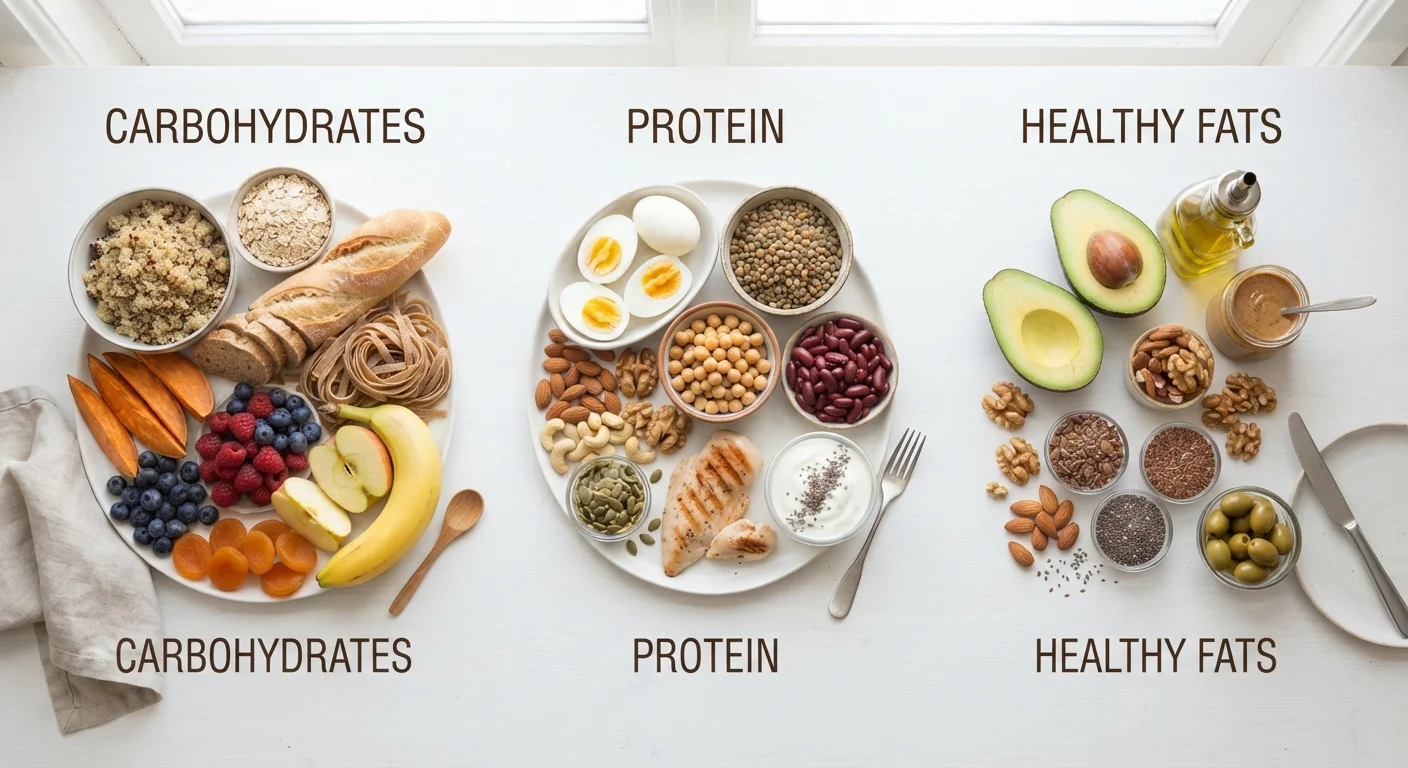
Photo: InDepthReads.com | Streamlining Learning For All editorial
Key Takeaways
- Carbohydrates are the body's preferred fuel source, especially for the brain and muscles during exercise.
- Protein supplies the building blocks (amino acids) needed to repair and grow tissue throughout the body.
- Dietary fat supports hormone production, vitamin absorption, and cell membrane integrity.
- Eliminating any macronutrient entirely is generally unnecessary and can create nutritional gaps.
- Food quality within each macronutrient category — whole grains vs. refined sugar, for example — matters significantly.
Carbohydrates: Your Body's Primary Energy Currency
Carbohydrates are the body's go-to fuel. When digested, they break down into glucose, which circulates in the blood and powers cells — especially those in the brain and working muscles. The brain alone relies heavily on glucose for normal cognitive function.
Not all carbohydrates behave the same way. Simple carbohydrates (sugars found in fruit, milk, and added sugars) are absorbed quickly. Complex carbohydrates (starches and fiber in whole grains, legumes, and vegetables) digest more slowly, providing more sustained energy and additional nutrients.
Fiber, a type of carbohydrate the body cannot fully digest, deserves special mention. It supports digestive health, helps regulate blood sugar, and contributes to satiety. Most Americans consume far less than recommended — for more on why that matters, see our fiber explainer.
Don't Judge Carbs by the Headlines
When evaluating carb-heavy foods, look at the whole picture: fiber content, added sugars, and what else the food provides nutritionally. A bowl of oatmeal and a pastry can contain similar carb counts but very different nutritional profiles.
Protein: Building, Repairing, and Regulating
Protein is often associated with muscle, and while that connection is real, its role extends much further. Proteins are made of amino acids — small compounds the body uses to build and repair tissue, produce enzymes and hormones, support immune function, and transport molecules through the blood.
Of the 20 amino acids, nine are considered essential, meaning the body cannot manufacture them and must obtain them from food. Animal-based proteins (meat, poultry, fish, eggs, dairy) typically contain all nine essential amino acids and are described as complete proteins. Many plant proteins are incomplete individually, but eating a variety of plant foods over the course of the day covers all essential amino acids.
~0.8g
Protein per kg body weight recommended daily for most adults
The U.S. Dietary Reference Intake sets the Recommended Dietary Allowance for protein at 0.8 grams per kilogram of body weight per day for sedentary adults, according to the National Academies of Sciences, Engineering, and Medicine.
9 kcal/g
Energy provided per gram of dietary fat
Fat is more than twice as calorie-dense as carbohydrates or protein, reflecting its role as a concentrated energy reserve — a fact established in standard nutritional biochemistry.
45–65%
Recommended daily calories from carbohydrates
The Dietary Guidelines for Americans recommend that carbohydrates make up 45–65% of total daily caloric intake for the general adult population.
Protein needs are not one-size-fits-all. Older adults, pregnant individuals, and people recovering from illness or surgery generally have higher needs. This is general information — consult a healthcare provider or registered dietitian for guidance specific to your circumstances.
Fat: Essential, Not the Enemy
Dietary fat has spent decades unfairly cast as the villain of nutrition. In reality, fat is essential. It enables your body to absorb fat-soluble vitamins (A, D, E, and K), forms every cell membrane in your body, supports hormone production, insulates organs, and contributes to brain health — the brain is roughly 60% fat by dry weight.
Fat types matter considerably. Unsaturated fats — found in olive oil, avocados, nuts, and fatty fish — are generally associated with favorable cardiovascular outcomes in research. Saturated fats, found predominantly in red meat and full-fat dairy, are more nuanced; current evidence suggests moderation rather than elimination. Trans fats, largely phased out of the U.S. food supply through regulatory action, are the type most consistently linked to harm.
For a deeper look at fat types and what the evidence says, see our guide to dietary fats.
“There are no good or bad foods — there are diets that work or don't work for specific individuals. Context, quantity, and overall dietary pattern matter far more than singling out any one macronutrient as the cause of disease.”
— Walter Willett, Professor of Epidemiology and Nutrition, Harvard T.H. Chan School of Public Health
How the Three Work Together
Macronutrients rarely operate in isolation. A meal's overall composition affects how quickly carbs are absorbed, how satisfying the meal feels, and how efficiently nutrients are used. Fat and protein slow gastric emptying, which means combining them with carbohydrates generally produces a more gradual rise in blood glucose than eating carbohydrates alone.
This is one reason that dietary patterns — rather than obsessing over single nutrients — tend to predict health outcomes better in research. Whole-food dietary patterns that include all three macronutrients in reasonable proportions are consistently associated with better long-term health markers than highly restrictive approaches.
It's also worth remembering that macronutrients are just one layer of nutrition. Vitamins, minerals, and phytonutrients provide functions that no macronutrient can replicate. For a complementary look at those, our micronutrients overview is a useful next read.
Focus on Food Quality Within Each Macronutrient
This article is for general informational purposes only and is not a substitute for personalized medical or nutritional advice. Consult a qualified healthcare professional or registered dietitian before making significant changes to your diet.
Frequently Asked Questions
The content on this site is for informational purposes only and is not a substitute for professional advice. Always consult a qualified professional for guidance specific to your situation.