
Fiber: The Nutrient Most Americans Undereat and Why It Matters

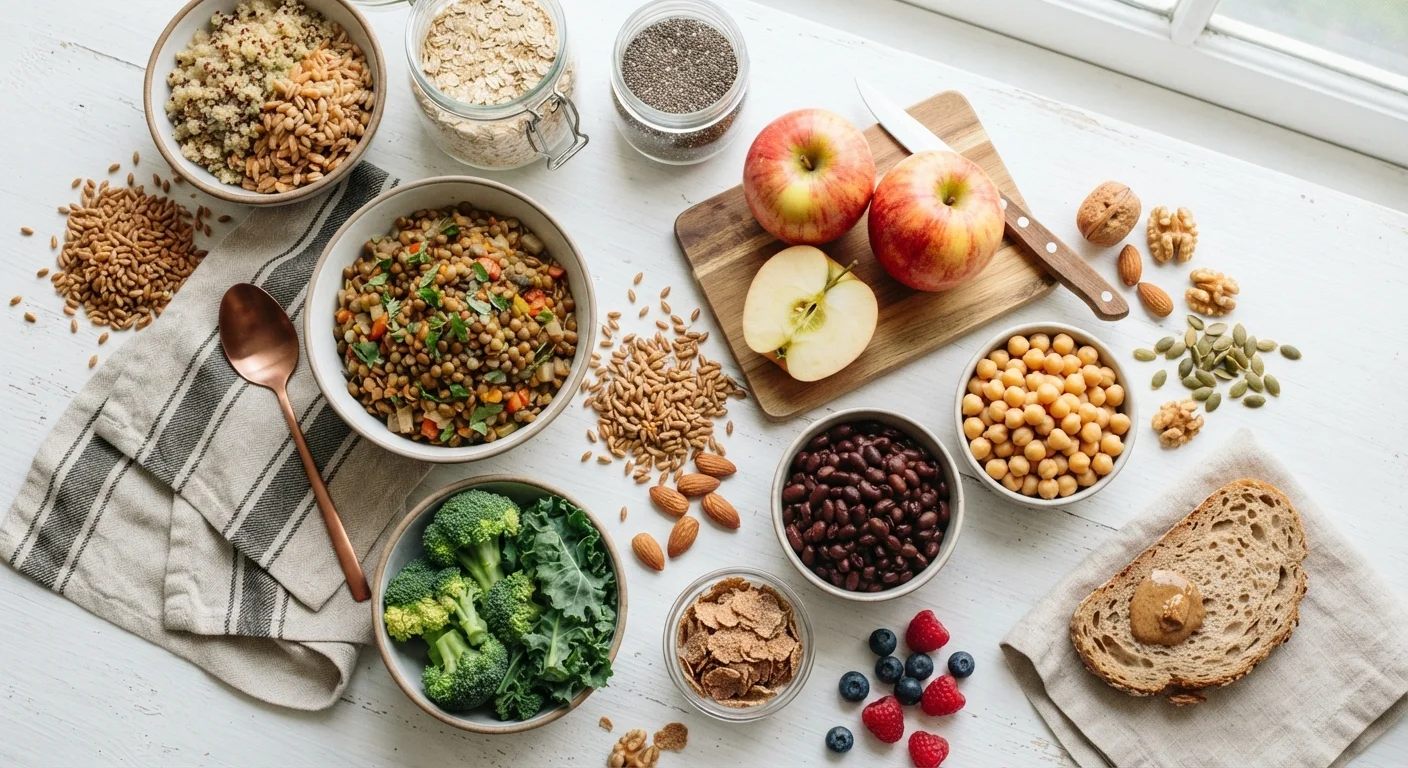
Photo: InDepthReads.com | Streamlining Learning For All editorial
Key Takeaways
- Most American adults consume roughly half the daily fiber their bodies need.
- Fiber supports digestive health, heart health, blood sugar control, and healthy weight management.
- Soluble and insoluble fiber each play distinct and complementary roles in the body.
- Whole grains, legumes, fruits, and vegetables are the most reliable food sources of fiber.
- Increasing fiber intake gradually — and drinking adequate water — helps avoid digestive discomfort.
- Fiber intake is clearly visible on U.S. Nutrition Facts labels as a percentage of Daily Value.
Why Fiber Deserves More Attention
Despite decades of public health messaging, fiber remains one of the most consistently under-consumed nutrients in the American diet. According to data from the Dietary Guidelines for Americans, the average U.S. adult takes in roughly 10 to 15 grams of fiber per day — well below the general recommendations of 25 grams for women and 38 grams for men. That gap has real consequences for long-term health.
The shortfall is largely a product of the modern food environment. Processed and refined foods dominate many Americans' plates, and refining typically strips away the fibrous parts of grains and plants. White bread, white rice, packaged snacks, and fast food are low in fiber almost by design.
~10–15g
Average daily fiber intake for U.S. adults
According to the Dietary Guidelines for Americans, most adults consume far less than the recommended 25–38 grams per day.
95%
Americans falling short of fiber recommendations
The American Society for Nutrition has described fiber as an under-consumed "nutrient of public health concern" given how few Americans meet daily targets.
10–15%
Reduction in LDL cholesterol linked to soluble fiber
Research published in nutrition journals has found that consistent soluble fiber intake can contribute meaningfully to lower LDL cholesterol levels.
Understanding what fiber actually does — and where to find it — is one of the most practical nutritional shifts most people can make. And unlike many nutrition topics, the evidence here is strong and consistent.
Soluble vs. Insoluble Fiber: What the Difference Means for You
Fiber is not a single substance. It exists in two main forms, and each supports health differently.
- Soluble fiber dissolves in water to form a viscous, gel-like substance in the digestive tract. This slows the absorption of glucose, helping stabilize blood sugar after meals. It also binds to cholesterol in the gut, reducing the amount the body absorbs — a mechanism linked to lower LDL ("bad") cholesterol levels. Good sources include oats, barley, apples, citrus fruits, and legumes.
- Insoluble fiber does not dissolve in water. Instead, it adds bulk to stool and speeds movement through the intestines, supporting regular bowel movements and reducing the likelihood of constipation. Whole wheat products, bran, nuts, and most vegetables are rich in insoluble fiber.
Most fiber-rich whole foods contain both types in varying proportions, which is one reason food sources are generally preferred over single-ingredient supplements. For more on how to read fiber content on packaging, see our guide to reading a Nutrition Facts label.
Start Low and Go Slow
The Broader Health Case for Fiber
The benefits of adequate fiber intake extend well beyond digestive regularity. A substantial body of research connects higher fiber consumption to several important health outcomes:
- Heart health: Soluble fiber is associated with lower LDL cholesterol and reduced cardiovascular risk. The FDA recognizes an authorized health claim for soluble fiber from oats and its relationship to reduced heart disease risk.
- Blood sugar regulation: Fiber slows the digestion of carbohydrates, moderating post-meal blood glucose spikes. This is particularly relevant for people managing or at risk for type 2 diabetes, though anyone should speak with their healthcare provider about their individual needs.
- Gut microbiome support: Certain types of fiber — sometimes called prebiotic fiber — feed beneficial bacteria in the colon. A diverse, well-nourished microbiome is increasingly linked by researchers to immune function, inflammation, and even mood regulation, though this field is still evolving.
- Weight management: Fiber-rich foods tend to be more satiating than their low-fiber counterparts, helping people feel full on fewer calories.
“Dietary fiber is one of the most consistently protective dietary components across chronic diseases, yet it remains chronically under-consumed by most people in developed nations.”
— Dr. David Katz, Preventive medicine physician and nutrition researcher
These associations are well-supported in nutrition research, though as with all dietary factors, no single nutrient operates in isolation. Fiber works best as part of an overall dietary pattern. For context on how fiber compares to other nutrients, our article on dietary fats and health offers a useful comparison.
Practical Ways to Eat More Fiber
Increasing fiber intake does not require dramatic dietary overhauls. Small, consistent substitutions make a meaningful difference over time.
- Swap refined grains for whole grains. Choose whole-wheat bread, brown rice, whole-grain pasta, and oats instead of their refined counterparts.
- Add legumes regularly. Lentils, chickpeas, black beans, and kidney beans are among the most fiber-dense foods available and are inexpensive and versatile. Even adding them to soups, salads, or grain bowls two to three times per week can significantly raise your intake.
- Eat fruit and vegetables with skins on where safe. Much of the fiber in apples, pears, potatoes, and cucumbers sits just beneath or in the skin.
- Choose whole fruit over juice. Juicing removes most of the fiber. A medium apple provides about 4.5 grams of fiber; a cup of apple juice contains less than 0.5 grams.
- Read labels. The Nutrition Facts panel lists fiber in grams and as a percentage of the Daily Value, making it easy to compare products at a glance.
One important note: increase fiber intake gradually. Adding large amounts too quickly can cause bloating, gas, or discomfort as your gut microbiome adjusts. Pairing higher fiber intake with adequate hydration — explored further in our article on staying hydrated — helps fiber do its job effectively.
This article is for general informational and educational purposes only and is not a substitute for professional medical or nutritional advice. Consult a qualified healthcare provider with questions about your personal health or dietary needs.
Frequently Asked Questions
The content on this site is for informational purposes only and is not a substitute for professional advice. Always consult a qualified professional for guidance specific to your situation.