
What Happens When You Don't Drink Enough Water

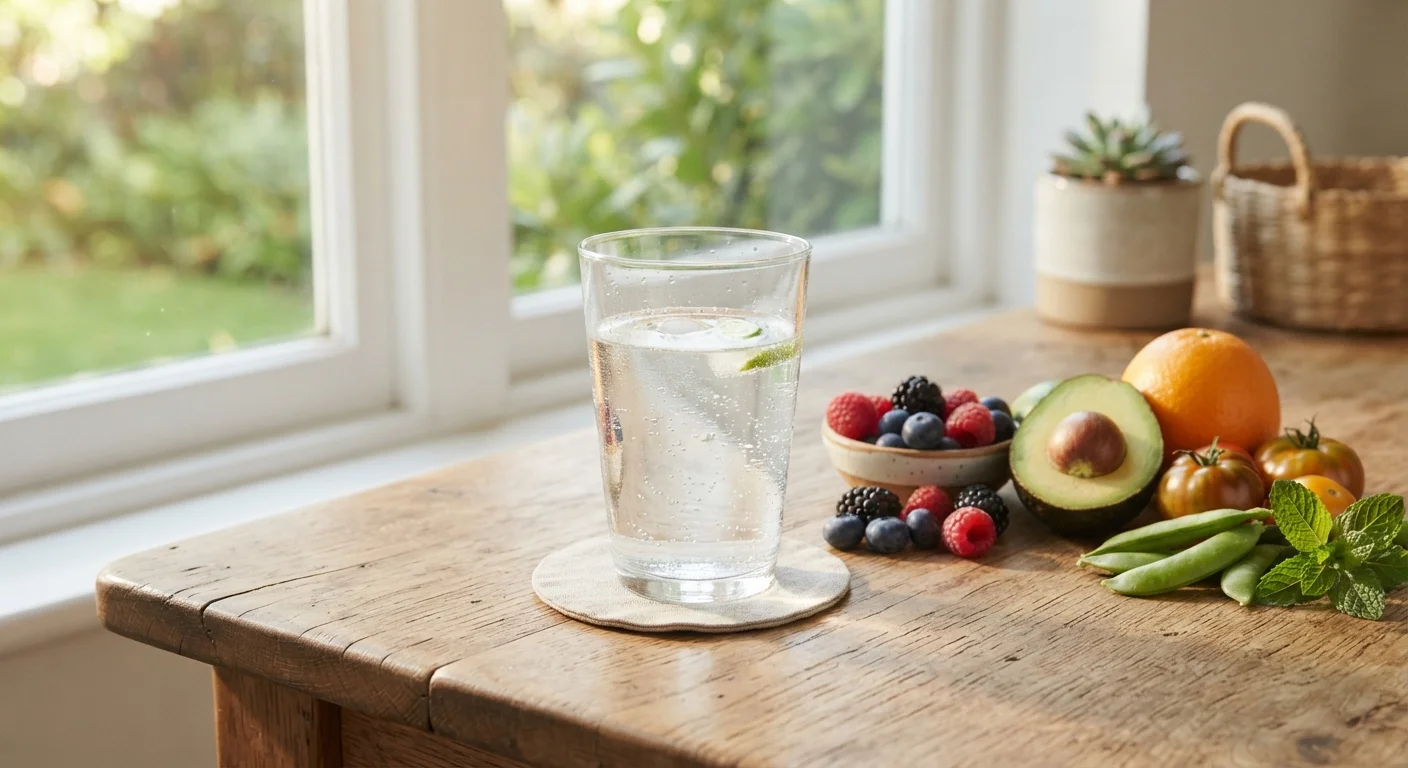
Photo: InDepthReads.com | Streamlining Learning For All editorial
Key Takeaways
- Even mild dehydration can reduce focus, energy, and physical performance.
- Thirst is not always a reliable early indicator of dehydration, especially in older adults.
- Urine color is a practical, low-tech way to gauge daily hydration status.
- Water needs vary based on body size, activity level, climate, and overall health.
- Food contributes roughly 20% of daily fluid intake for most people.
Why Water Is a Core Nutritional Need
Water is not a supplement or an afterthought — it is a nutrient. It transports oxygen and essential compounds through the bloodstream, helps regulate body temperature through sweat, cushions joints, and enables the kidneys to filter waste. Without sufficient fluid intake, virtually every organ system operates less efficiently.
Most adults get roughly 20% of their daily water from food, particularly fruits, vegetables, soups, and dairy. The remaining 80% comes from beverages. A diet rich in whole foods — including fiber-dense produce — naturally supports hydration alongside direct fluid intake. Dietary fiber, found abundantly in many of the same water-rich foods, works in tandem with hydration to support digestive health.
~60%
Of the adult human body is water
According to the U.S. Geological Survey and multiple physiology references, water accounts for approximately 60% of total adult body weight.
1–2%
Body weight loss that impairs cognition
Research published in peer-reviewed nutrition journals indicates cognitive and physical performance decline can begin at just 1–2% fluid loss relative to body weight.
~20%
Daily fluid intake from food
The U.S. National Academies of Sciences, Engineering, and Medicine estimates that roughly 20% of daily water intake comes from food for most adults.
What Happens to Your Body When You Are Mildly Dehydrated
Research consistently shows that fluid loss equivalent to just 1–2% of body weight begins to affect how you think and feel — well before you feel genuinely thirsty. The effects span multiple body systems:
- Cognitive performance: Studies have linked mild dehydration to reduced attention, slower reaction times, and increased perceived difficulty on mental tasks.
- Physical endurance: Muscle cells depend on adequate hydration to contract efficiently. Even modest dehydration during exercise can decrease endurance and increase perceived exertion.
- Digestive function: Water is essential for moving food through the digestive tract. Insufficient intake is a common contributor to constipation.
- Kidney function: The kidneys need water to dilute and excrete waste. Chronically low intake is associated with higher risk of kidney stones, though individual risk factors vary.
- Mood and energy: Several controlled studies have found that mild dehydration can worsen mood and increase feelings of fatigue, even in otherwise healthy adults.
Use Urine Color as a Daily Check
How to Gauge Your Own Hydration
Thirst is a useful signal, but it is not always a timely one — particularly in older adults, whose sense of thirst tends to diminish with age. A more reliable daily indicator is urine color. Pale yellow generally signals adequate hydration; dark yellow or amber suggests you need more fluids. Colorless urine may indicate excess intake, though this is rarely a concern for most people.
Other practical checkpoints include: how frequently you urinate (typically every 2–4 hours for most adults), whether you feel unusually fatigued or develop mild headaches in the afternoon, and how your mouth and skin feel. None of these signals is diagnostic, but together they provide useful feedback.
Hydration Needs Change With Circumstances
Water needs are not one-size-fits-all. Hot weather, physical activity, illness involving fever or vomiting, pregnancy, and breastfeeding all increase fluid requirements. If you have kidney disease, heart failure, or another condition affecting fluid balance, speak with a healthcare provider about appropriate intake for your situation.
Simple Habits to Support Better Hydration
Building consistent hydration habits does not require dramatic changes. Small, practical adjustments tend to stick:
“Water is the driving force of all nature. When it comes to the human body, it is the medium in which virtually every chemical reaction takes place.”
— Leonardo da Vinci, Renaissance polymath, widely cited on the primacy of water in nature
- Keep a water bottle accessible during work, exercise, and commuting.
- Drink a glass of water with each meal as a built-in anchor habit.
- Choose water or unsweetened beverages as your default between meals.
- Eat plenty of water-rich whole foods — cucumbers, tomatoes, berries, leafy greens, and citrus fruits all contribute meaningful fluid.
- Pay attention to your body's signals, especially in heat or during physical activity.
This article is for general informational and educational purposes only and does not constitute medical advice. Individual hydration needs vary. Consult a qualified healthcare professional for guidance specific to your health situation.
Frequently Asked Questions
The content on this site is for informational purposes only and is not a substitute for professional advice. Always consult a qualified professional for guidance specific to your situation.