
The Homebuying Process, Start to Finish

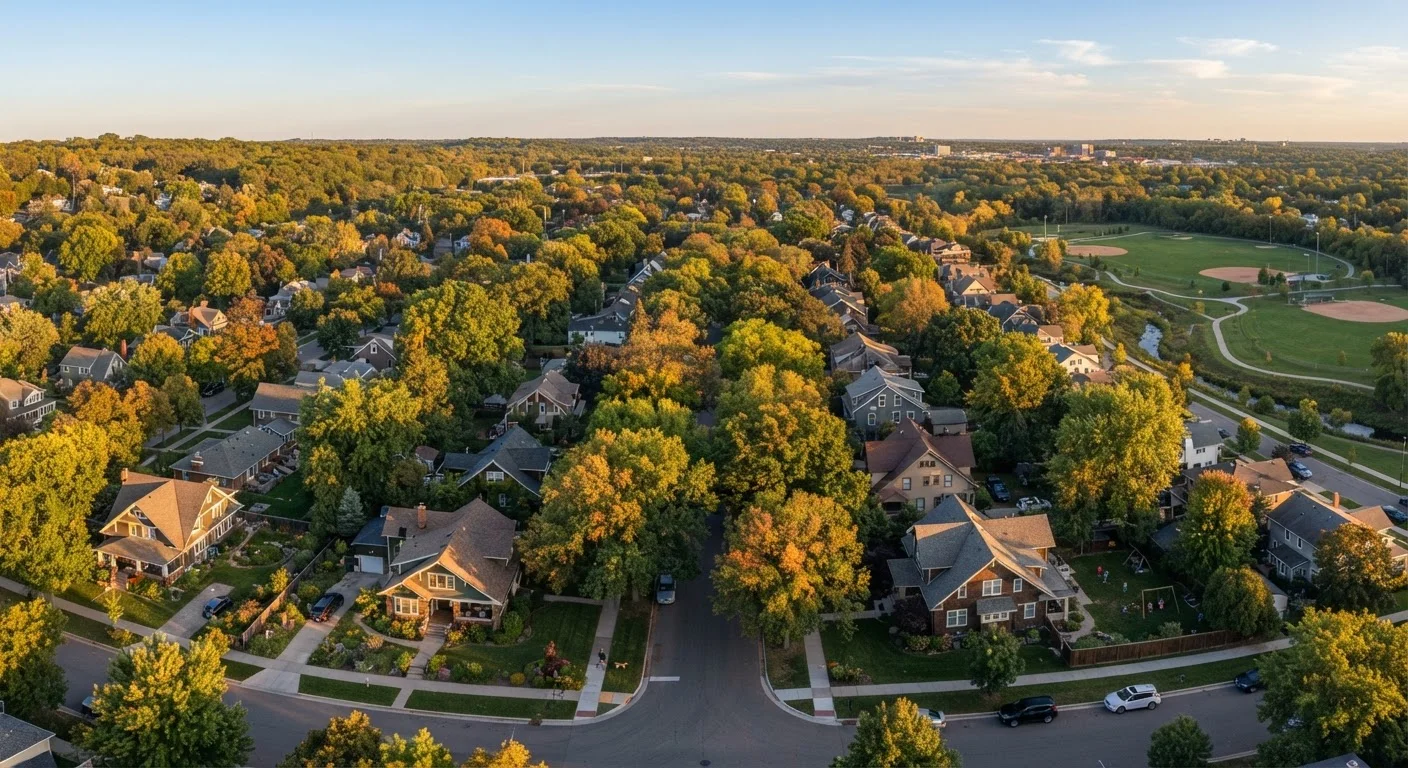
Photo: InDepthReads.com | Streamlining Learning For All editorial
Key Takeaways
- Pre-approval strengthens your offer and clarifies your realistic budget before you shop.
- Down payment requirements vary widely — conventional loans typically require 3–20%, depending on the loan type.
- The inspection period is your last practical chance to uncover hidden problems before committing.
- Closing costs generally add 2–5% of the loan amount on top of your down payment.
- First-time buyer assistance programs can reduce upfront costs significantly for those who qualify.
Is Buying the Right Move for You?
Before touring homes or meeting with lenders, it's worth stepping back to evaluate whether homeownership makes sense for your current situation. Buying is a long-term commitment — most financial guidance suggests staying in a home at least five to seven years to recoup transaction costs.
Key questions to weigh: Is your income stable? How much job-location flexibility do you need? Are you ready to absorb maintenance costs that renters don't face? For a grounded comparison of both paths, see our analysis of renting vs. buying.
If you're not yet sure, that's a reasonable place to be. Rushing into a purchase because of market pressure or social expectations is one of the most common — and costly — mistakes first-time buyers make.
Getting Your Finances in Order
The financial groundwork you lay now determines the loan terms you'll qualify for later. Three numbers matter most: your credit score, your debt-to-income (DTI) ratio, and your savings balance.
- Credit score: Conventional loan programs generally require a minimum score of 620, though higher scores unlock better interest rates. FHA-backed loans may accept scores as low as 580 with a 3.5% down payment.
- Debt-to-income ratio: Most lenders prefer a total DTI at or below 43%, meaning total monthly debt payments — including the projected mortgage — shouldn't exceed 43% of gross monthly income.
- Savings: Budget for a down payment (3–20% of purchase price depending on loan type), closing costs (typically 2–5% of the loan amount), and a post-closing emergency reserve.
If you need a structured approach to building these reserves, our financial goals walkthrough offers a practical framework. Also explore saving and debt management resources to reduce liabilities before you apply.
Check Your Credit Report Early
Mortgage Pre-Approval Explained
Pre-approval is a lender's conditional commitment to lend up to a specified amount based on verified income, assets, and credit. It differs from pre-qualification, which relies on self-reported information and carries less weight with sellers.
To get pre-approved, gather recent pay stubs, W-2s (or tax returns if self-employed), bank statements, and identification. The lender will run a hard credit inquiry and issue a pre-approval letter, typically valid for 60–90 days.
Apply for pre-approval with two or three lenders on the same day. Multiple mortgage inquiries within a short window (typically 14–45 days) are usually treated as a single hard inquiry by credit scoring models, so you can compare loan offers without compounding credit score impact.
When budgeting for a home, plan for ongoing costs beyond the mortgage: property taxes, homeowner's insurance, HOA fees if applicable, and a maintenance reserve of roughly 1% of the home's value annually.
First-time buyers should also check eligibility for assistance programs before finalizing a lender. Our guide to first-time homebuyer programs covers federal, state, and local options that can meaningfully reduce upfront costs.
Pre-Approval Is Not a Loan Guarantee
Searching for the Right Home
With a pre-approval letter in hand, you can search with confidence. Work with a licensed buyer's agent — their commission is typically paid by the seller under traditional arrangements, though buyer-agent compensation structures have been evolving following recent industry changes. Confirm fee arrangements in writing before you begin.
Define your non-negotiables before touring homes: location, school district, commute, minimum square footage, and deal-breakers like flood zone status. Emotional attachment to a specific property can cloud judgment; a clear list of priorities helps.
32%
Share of home purchases by first-time buyers
According to the National Association of Realtors' 2023 Profile of Home Buyers and Sellers, first-time buyers represented approximately 32% of all purchases.
2–5%
Typical closing costs as share of loan amount
The Consumer Financial Protection Bureau notes that closing costs generally fall between 2% and 5% of the total loan amount, varying by location and loan type.
When evaluating listings, look beyond surface aesthetics. Cosmetic issues are inexpensive to fix; structural, electrical, or roof problems are not. Request disclosure documents from the seller, which are legally required in most states and detail known material defects.
Making an Offer and Negotiating
Your offer is a legally binding contract proposal that specifies the purchase price, earnest money deposit (typically 1–3% of the purchase price held in escrow), contingencies, and a proposed closing date.
Common contingencies include financing (the deal can exit if your loan falls through), inspection (allowing renegotiation after a home inspection), and appraisal (protecting you if the home is valued below the offer price). In competitive markets, buyers sometimes waive contingencies — a decision that carries real financial risk and should be made carefully with your agent.
Waiving Contingencies Carries Real Risk
Sellers may counter your offer. Negotiation typically covers price, closing cost contributions, repair credits, or timeline adjustments. Keep a clear ceiling in mind and avoid letting competitive emotions push you past it.
Under Contract: Inspections, Appraisals, and Closing
Once the seller accepts your offer, you enter the under contract phase — a busy period with firm deadlines.
Home Inspection
Hire a licensed home inspector within your contingency window (often 7–14 days). They'll assess the structure, roof, HVAC, plumbing, electrical systems, and more. Use findings to request repairs or a price reduction — or, in serious cases, to exit the contract.
Appraisal
Your lender orders an independent appraisal to confirm the home's market value supports the loan amount. If the appraisal comes in low, you can renegotiate the price, make up the gap in cash, or walk away under the appraisal contingency.
Final Walkthrough and Closing
Conduct a final walkthrough — ideally within 24 hours of closing — to confirm the property's condition hasn't changed. At closing, you'll sign loan documents, pay closing costs and your down payment, and receive the keys.
For what comes next, our guide on the first year of homeownership offers an honest look at what new owners typically encounter. The broader Home Ownership Basics hub is also a useful reference as you settle in.
The content on this site is for informational purposes only and is not a substitute for professional advice. Always consult a qualified professional for guidance specific to your situation.