
What Home Inspectors Look For—and What They Don't

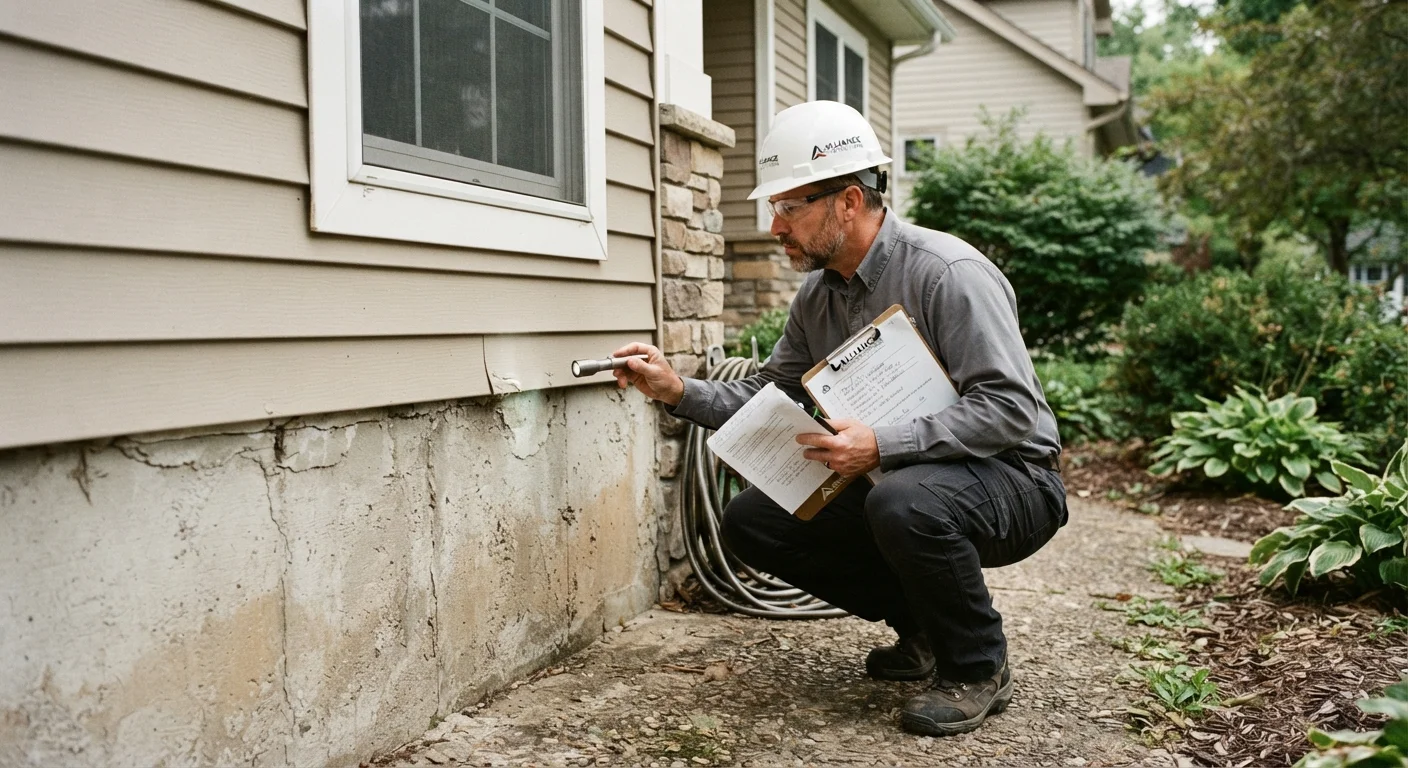
Photo: InDepthReads.com | Streamlining Learning For All editorial
What a Standard Home Inspection Actually Covers
A home inspection is a visual, non-invasive examination of a property's major systems and structural components, conducted by a licensed or certified inspector. It is one of the most important steps in the homebuying process—and one of the most misunderstood.
| Typical inspection duration | 2–4 hours for an average single-family home (ASHI Standards of Practice) |
| Average cost range | $300–$500 (varies by region and home size) (General industry range; get local quotes) |
| Who hires the inspector | Typically the buyer, though sellers may order pre-listing inspections |
| Report delivery | Usually within 24–48 hours of the inspection |
| Inspection contingency window | Commonly 7–10 days after accepted offer (Varies by contract and market) |
Inspectors follow standards published by organizations such as the American Society of Home Inspectors (ASHI) or InterNACHI, which define what must be examined. A standard inspection generally covers:
- Structural components: Foundation, framing, floors, walls, ceilings, and roof structure for visible defects or signs of movement
- Roofing: Condition of shingles, flashing, gutters, and downspouts
- Exterior: Siding, grading (drainage slope away from the foundation), driveways, and decks
- Electrical system: Panel, visible wiring, outlets, GFCI protection, and smoke detectors
- Plumbing: Visible supply and drain lines, water heater, fixtures, and signs of leaks
- HVAC systems: Heating and cooling equipment, ductwork, and thermostats
- Insulation and ventilation: Attic insulation levels and ventilation adequacy
- Interior: Doors, windows, stairs, railings, and signs of moisture intrusion
The inspection is visual—inspectors report what they can see and access. They do not cut into walls, move furniture, or operate systems that appear unsafe.
What Home Inspectors Do Not Cover
Understanding the exclusions is just as important as knowing what's included. A standard inspection does not test for, evaluate, or certify the following:
Material defect
A condition that significantly affects the value, safety, or habitability of a property. Material defects are the primary focus of a home inspection report.
Inspection contingency
A clause in a purchase contract allowing the buyer to renegotiate or withdraw from the sale based on inspection findings, within a specified timeframe.
Sewer scope
A specialized inspection in which a camera is threaded through the sewer lateral to assess the pipe's condition. It is a separate, add-on service not included in a standard home inspection.
GFCI outlet
A Ground Fault Circuit Interrupter outlet that shuts off power when it detects an imbalance in electrical current. Required by code in wet areas such as kitchens, bathrooms, and garages in most jurisdictions.
Radon testing
A separate test—either a short-term kit or a continuous monitor—used to measure levels of naturally occurring radon gas in a home. Elevated radon is a known health risk and is not evaluated in a standard home inspection.
- Environmental hazards: Radon, lead paint, asbestos, mold, and underground oil tanks require separate, specialized testing
- Pest and wood-destroying organisms: Termites, carpenter ants, and similar pests are typically evaluated in a separate pest inspection
- Sewer and septic systems: A sewer scope or septic inspection is an add-on service, not a standard deliverable
- Chimneys and fireplaces (full evaluation): Inspectors note visible conditions, but a Level II chimney inspection by a certified sweep is a separate service
- Swimming pools and hot tubs: These require a dedicated pool inspection
- Detached structures: Garages, sheds, or guesthouses may be excluded unless explicitly included
- Code compliance: Inspectors report conditions, not whether the home meets current building codes. Unpermitted work may not be flagged if it isn't visibly deficient. See our overview of permits and codes for more context.
Inspections Are Condition Snapshots, Not Warranties
Because smart home devices—sensors, connected systems, and automation components—are increasingly common in homes, inspectors generally evaluate the underlying wiring and panel, not the devices themselves. For a fuller picture of what smart technology can and can't do, see what smart home devices offer and where they fall short.
How to Use the Inspection Report Wisely
A home inspection report is not a pass/fail grade—it is a detailed condition report. Nearly every home, new or old, will produce a list of findings. The goal is to identify material defects that affect safety, habitability, or significant cost, not to compile a cosmetic punch list.
After receiving the report, buyers typically have several options depending on their purchase contract: negotiate repairs or a price reduction, request that the seller address safety items, accept the home as-is with full knowledge of conditions, or—in serious cases—exit the transaction within the inspection contingency period.
A few practical steps help buyers get the most value from the process:
- Attend the inspection in person. Walking through with the inspector gives you context that a written report alone can't convey.
- Ask questions on-site. Inspectors can explain severity—distinguishing a hairline shrinkage crack from a structural concern, for example.
- Order specialty inspections when warranted. If the inspector notes moisture in a crawlspace or an aging oil furnace, follow up with the appropriate specialist.
- Factor findings into your insurance planning. Some conditions—older roofs, knob-and-tube wiring, oil tanks—can affect your homeowner's insurance options. Our homeowner's insurance overview explains how coverage decisions interact with property condition.
First-time buyers in particular often discover that the realities of ownership extend well beyond the inspection report. For a broader picture of what to anticipate, things new homeowners wish someone had told them is a useful companion read.
The content on this site is for informational purposes only and is not a substitute for professional advice. Always consult a qualified professional for guidance specific to your situation.