
Your Pre-Closing Checklist: From Accepted Offer to Moving Day

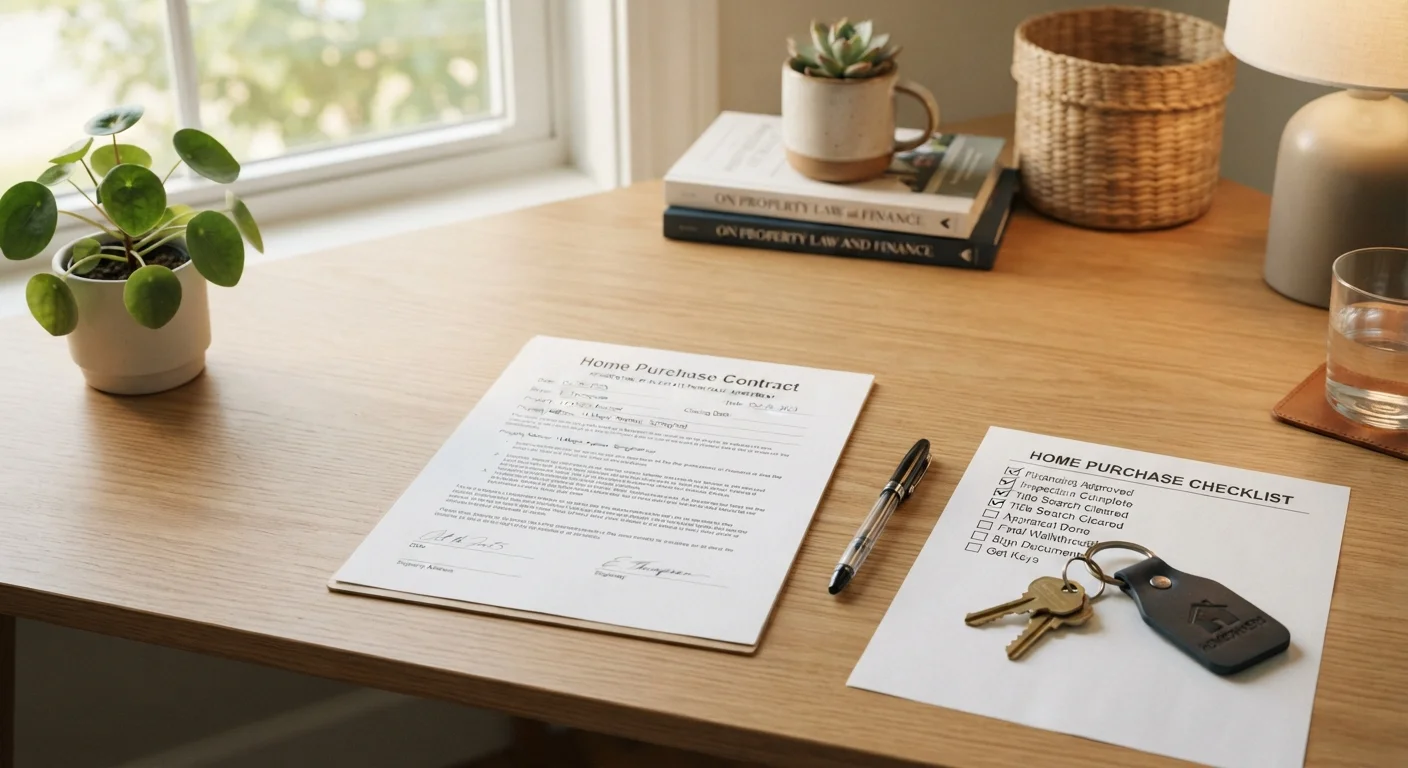
Photo: InDepthReads.com | Streamlining Learning For All editorial
Key Takeaways
- The period between offer acceptance and closing typically runs 30–60 days and involves dozens of overlapping tasks.
- Missing deadlines for inspections, appraisals, or contingency removals can jeopardize your purchase contract.
- Lender conditions must be satisfied before a clear-to-close is issued — gather documents early.
- A final walk-through is your last opportunity to verify agreed repairs and the property's condition.
- Closing costs generally range from 2%–5% of the loan amount; review your Closing Disclosure carefully before signing.
Why the Pre-Closing Period Demands a Checklist
Once a seller accepts your offer, a carefully timed sequence of contractual obligations begins. Inspection contingencies expire, loan commitments have deadlines, and title searches run on their own schedules — all simultaneously. For a full overview of how this phase fits into the broader journey, see our complete homebuying walkthrough.
A written checklist keeps you from letting any single item fall through the cracks. The stakes are real: a missed contingency deadline can mean losing your earnest money deposit, and a documentation gap with your lender can push closing back by days or weeks. Use the stage-by-stage checklist below as a living document — check items off as you complete them and share it with your real estate agent.
Contingency Deadlines Are Contractually Binding
Tools and Professionals You'll Need
Working through a home purchase involves several parties whose roles overlap. Knowing who does what — and having their contact information ready — keeps communication smooth when deadlines approach.
Real Estate Attorney
Reviews the purchase contract, title commitment, and closing documents; required at closing in some states.
Licensed Home Inspector
Evaluates the physical condition of the property and produces a written report used in repair negotiations.
Mortgage Loan Officer
Processes your loan application, orders the appraisal, and issues the clear-to-close once all conditions are met.
Title Company or Settlement Agent
Conducts the title search, issues title insurance, holds escrow, and facilitates the closing transaction.
Homeowners Insurance Agent
Binds a homeowners insurance policy required by the lender before closing can proceed.
Real Estate Agent or Buyer's Agent
Coordinates deadlines, communicates with the seller's side, and guides you through contingency decisions.
Escrow Account Tracker or Transaction Management App
Helps you monitor task deadlines, document submissions, and communication threads in one place.
The Pre-Closing Checklist, Stage by Stage
The items below are grouped by the phase in which they typically occur. Timelines vary by contract and market — your purchase agreement governs your specific deadlines. If you're buying in a competitive environment, see our guidance on navigating a seller's market for context on how tight timelines affect each step.
Days 1–7: Immediately After Offer Acceptance
Week 2: Inspection, Repair Negotiations & Appraisal
Weeks 2–4: Satisfying Lender Conditions
Final Week: Before You Sign
Do Not Change Your Financial Profile Before Closing
Preparing for Closing Day Itself
Three business days before closing, your lender is required to deliver a Closing Disclosure (CD) — a detailed statement of every cost, credit, and loan term. Review it line by line and compare it against the Loan Estimate you received earlier. Our article on what appears on your settlement statement explains each fee category in plain language.
Arrange to wire or transfer your closing funds only after independently verifying wire instructions with your title company or settlement attorney by phone. Wire fraud targeting homebuyers is a known and serious risk; never rely solely on emailed instructions. Bring a government-issued photo ID on closing day, and confirm in advance whether your state requires a notary, attorney, or both to be present.
This article provides general real estate information and education. It is not legal, financial, or tax advice. Consult a licensed real estate attorney, qualified financial adviser, or tax professional for guidance specific to your situation and jurisdiction.
The content on this site is for informational purposes only and is not a substitute for professional advice. Always consult a qualified professional for guidance specific to your situation.