
What a Lease Agreement Actually Says — and What It Means for You

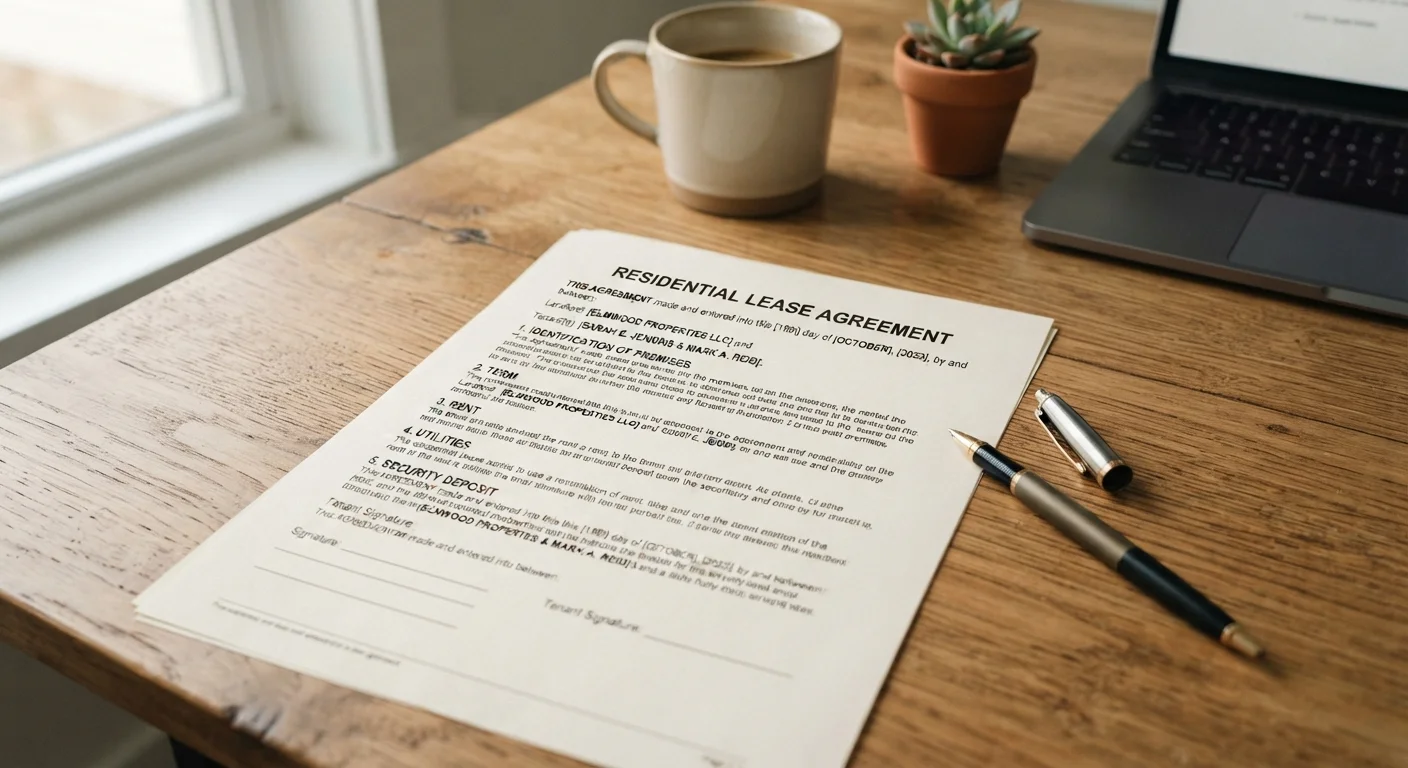
Photo: InDepthReads.com | Streamlining Learning For All editorial
Key Takeaways
- A lease is a binding contract — verbal agreements and informal understandings carry little legal weight once you sign.
- Security deposit rules, including return timelines and allowable deductions, vary by state law, not just landlord policy.
- Clauses limiting landlord entry, subletting, or alterations directly affect your day-to-day life and should be read carefully.
- Some lease terms that appear standard may actually be unenforceable under your state's tenant-protection statutes.
- Reviewing your lease before signing — not after a dispute arises — is the most effective way to protect your rights.
Why Reading the Full Lease Is Non-Negotiable
Most renters skim their lease and sign on the same day. That's understandable — leases are long, dense, and written in legal language that isn't designed for casual reading. But every clause you overlook is a clause you're still bound by. Understanding what a lease actually contains is the first step toward protecting yourself as a tenant.
A residential lease typically runs between five and twenty pages and covers far more than monthly rent. It sets out your rights, your landlord's obligations, what triggers fees, how disputes are handled, and what circumstances allow either party to exit the agreement. Before you commit, review this practical checklist of steps to take before signing any rental agreement.
Read It Line by Line — Before Signing Day
The Core Clauses and What They Actually Mean
Every lease contains a set of standard provisions. Here's what the most consequential ones are really saying:
- Rent amount and due date: This specifies the exact rent, when it's due (typically the first of the month), and what grace period, if any, applies before a late fee is charged. Note whether the fee is a flat amount or a percentage of rent.
- Lease term: This defines the start and end dates of your tenancy. A fixed-term lease locks in your rent and your right to occupy through that date — but it also locks in your obligations. For a deeper look at how this compares to more flexible arrangements, see how month-to-month rentals differ from fixed-term leases.
- Security deposit terms: The lease should state the deposit amount, what it may be applied toward, and how it will be returned. State law governs timelines and allowable deductions — the lease cannot override those protections.
- Maintenance and repair responsibilities: Most leases assign routine minor maintenance to the tenant and structural or systemic repairs to the landlord. Look for specifics about HVAC filters, appliances, and pest control.
- Entry and notice requirements: Landlords must provide advance notice before entering your unit in most states — commonly 24 to 48 hours. The lease should reflect this; a clause granting unlimited entry without notice may be unenforceable under state law.
State Law Takes Precedence Over Lease Language
Clauses That Deserve Extra Scrutiny
Several lease provisions regularly catch tenants off guard because their implications aren't immediately obvious:
- Joint and several liability: If you're signing with roommates, this clause means every tenant is individually responsible for the entire rent, not just their share. If a roommate disappears, you may owe their portion too.
- Subletting restrictions: Many leases prohibit subletting without written landlord approval. Violating this can be grounds for eviction, regardless of how well your subtenant pays.
- Alterations clause: Painting walls, installing shelving, or hanging fixtures may require prior written permission. What counts as an alteration — and who pays to restore it — should be clearly defined.
- Automatic renewal provisions: Some leases convert to month-to-month at the term's end; others automatically renew for another full year unless written notice is given 30 to 60 days in advance. Miss that window and you could be bound for another year.
At renewal time, all of these clauses may be renegotiated. Know what to examine closely before renewing your lease to avoid agreeing to terms that no longer work for you.
Your Rights Cannot Be Signed Away
One of the most important things to understand about lease agreements is that they operate within a legal framework — not above it. State landlord-tenant statutes establish a floor of tenant protections that no lease clause can eliminate. A lease provision that purports to waive your right to a habitable unit, strip your right to proper notice before eviction, or shift legal liability in ways prohibited by law is simply unenforceable.
This doesn't mean you should ignore problematic clauses — you should still flag them before signing and request that they be removed or amended. But it does mean that signing a lease with an illegal provision doesn't mean you've agreed to it. Many legal tenant protections go unexercised simply because renters aren't aware they exist.
This article provides general information about residential lease agreements and is not legal advice. Lease terms and tenant rights vary significantly by state and locality. Consult a licensed attorney or your local tenant rights organization for guidance specific to your situation.
Frequently Asked Questions
The content on this site is for informational purposes only and is not a substitute for professional advice. Always consult a qualified professional for guidance specific to your situation.