
Fixed vs. Variable Expenses: Why the Difference Matters for Budgeting

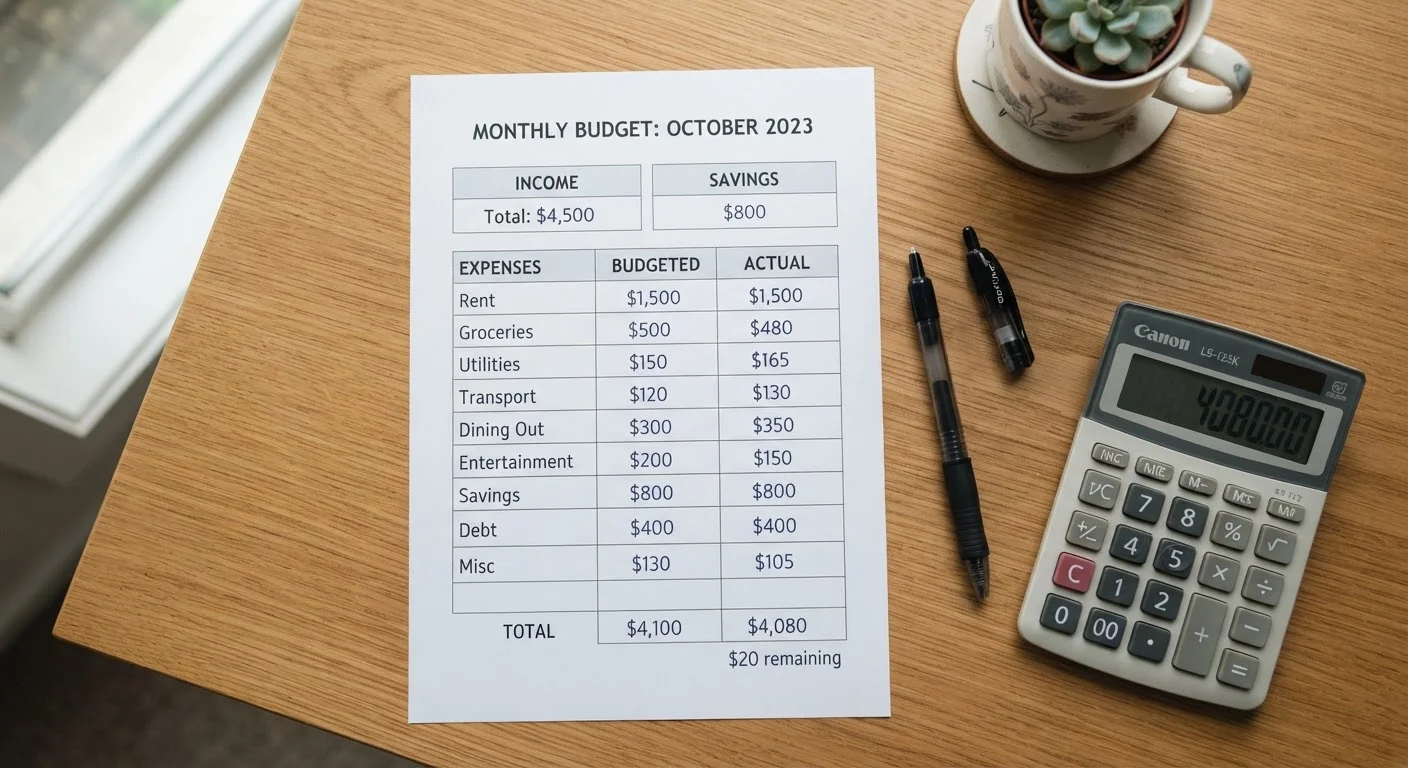
Photo: InDepthReads.com | Streamlining Learning For All editorial
Key Takeaways
- Fixed expenses stay the same each month; variable expenses change based on your choices or usage.
- Knowing your total fixed costs tells you the minimum income you need to cover obligations.
- Variable expenses are where most budgeting adjustments and savings opportunities are found.
- Some expenses are semi-variable — partly fixed, partly within your control.
- Tracking both categories separately makes it easier to spot patterns and set realistic limits.
What Makes an Expense Fixed or Variable?
A fixed expense is any cost that remains the same from month to month regardless of how much you use a service or how your lifestyle changes. Rent or mortgage payments, car loan installments, and insurance premiums are classic examples. You owe the same amount whether you had a great month or a difficult one.
A variable expense changes based on consumption, behavior, or circumstances. Groceries, gasoline, utility bills, and entertainment spending all fall into this category. Spend more, pay more. Pull back, and the number drops.
There is also a middle category worth knowing: semi-variable expenses. A cell phone plan, for instance, may have a fixed base charge but add overage fees if you exceed your data limit. Understanding where each of your bills lands helps you build a more honest budget. For a plain-language breakdown of these and other budgeting terms, see The Language of Budgeting: Key Terms Defined.
How Each Category Shapes Your Budget
Fixed expenses define your budget's floor. Before you decide how much to spend on groceries or fun, you need to know what you owe unconditionally. Add up every fixed cost — rent, loan payments, insurance, subscriptions locked in by contract — and you have the minimum income required to keep your financial life functional.
Variable expenses, by contrast, are where your day-to-day financial decisions play out. They are also where most budgeting methods — from the 50/30/20 rule to zero-based budgeting — focus their attention, because this is where real adjustments are possible.
| Criterion | Fixed Expenses | Variable Expenses |
|---|---|---|
| Amount each month | Stays the same | Changes based on usage or choices |
| Examples | Rent, car loan, insurance | Groceries, gas, dining out |
| Budget flexibility | Very low — locked in by contract | High — adjustable month to month |
| Primary budgeting role | Sets your spending floor | Where adjustments and savings happen |
| How to manage | Renegotiate or eliminate contracts | Set category limits and track spending |
| Impact of income drop | Immediately creates financial pressure | Can be reduced to relieve pressure |
This distinction matters most during income disruptions. If your pay is reduced or you face an unexpected expense, knowing your fixed obligations tells you exactly how much financial pressure you are under and how much flexibility your variable spending genuinely offers.
Practical Strategies for Each Expense Type
For fixed expenses: Because these costs are locked in, your primary lever is renegotiation or elimination — refinancing a loan at a lower rate, switching to a less expensive insurance tier, or canceling a contract when it expires. These changes take effort upfront but pay off every single month without requiring ongoing willpower.
For variable expenses: The goal is to set a realistic monthly limit for each category and track actual spending against it. Most people underestimate how much they spend on variable categories like dining out or personal care. Reviewing two or three months of bank statements before setting limits tends to produce more accurate — and therefore more achievable — targets.
One underused strategy for bridging the two categories is a sinking fund: a dedicated savings pool for irregular but predictable expenses like annual car registration, holiday gifts, or home repairs. These costs are technically variable, but treating them as fixed monthly contributions smooths them out. Sinking Funds: The Budgeting Tool Most People Overlook explains how to set one up effectively.
~33%
Average share of income spent on housing
The U.S. Bureau of Labor Statistics Consumer Expenditure Survey consistently finds housing is the largest fixed expense category for American households.
~15%
Average share spent on food (variable)
The same BLS survey shows food — a predominantly variable expense — typically accounts for roughly 12–15% of household spending, making it a significant category to track.
If your income itself varies month to month — common for freelancers, contractors, and gig workers — the fixed-vs-variable framework becomes even more critical. Setting Financial Goals on a Variable or Irregular Income offers tailored guidance for that situation.
This article is for general informational and educational purposes only and does not constitute personalized financial advice. Consider consulting a qualified financial professional for guidance specific to your circumstances.
The content on this site is for informational purposes only and is not a substitute for professional advice. Always consult a qualified professional for guidance specific to your situation.