
Sinking Funds: The Budgeting Tool Most People Overlook

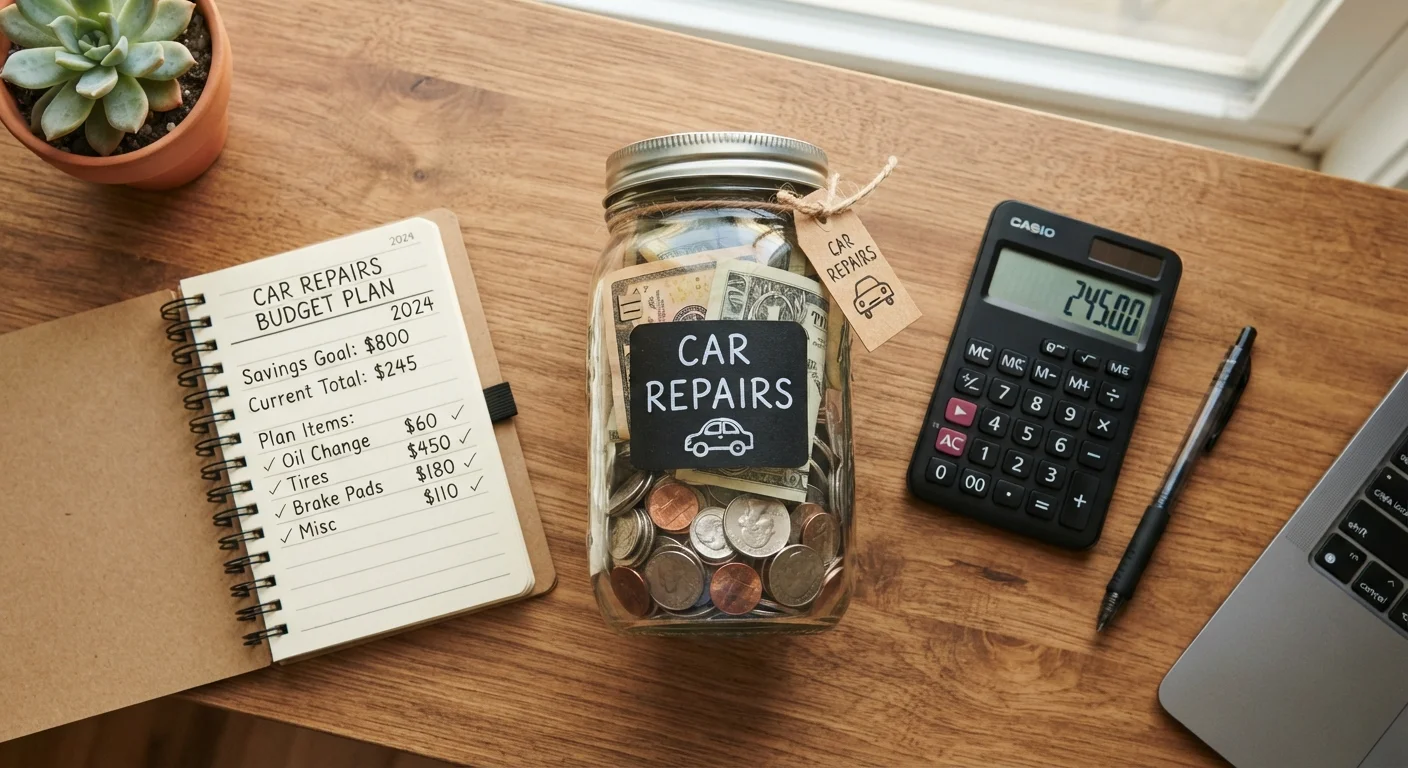
Photo: InDepthReads.com | Streamlining Learning For All editorial
Key Takeaways
- A sinking fund is for predictable irregular expenses, not true financial emergencies.
- Dividing the total cost by months remaining gives you a simple monthly savings target.
- Separate labeled accounts or budget envelopes prevent accidental spending of sinking fund money.
- Sinking funds reduce dependence on credit cards for large periodic costs.
- Even small monthly contributions—$20 to $50—add up meaningfully over 6–12 months.
Why 'I'll Figure It Out Later' Costs You More
Most people budget for monthly bills—rent, utilities, groceries—but few plan for expenses that arrive only once or twice a year. The result is a familiar pattern: the car registration bill lands in October, the dentist needs a co-pay in March, and suddenly the credit card balance climbs. These aren't emergencies. They're predictable costs that simply weren't planned for.
This is exactly the gap a sinking fund fills. Rather than treating a $600 car repair as a crisis, you treat it as a $50-per-month line item spread over a year. By the time the bill arrives, the money is sitting there, ready.
~40%
Americans who can't cover a $400 unexpected expense in cash
According to the Federal Reserve's Report on the Economic Well-Being of U.S. Households, a significant share of adults would struggle to absorb even a modest unplanned expense without borrowing.
$1,500+
Average cost of a mid-range car repair in the U.S.
Industry repair data consistently shows that common repairs such as transmission work or brake system overhauls often exceed $1,000, making a dedicated vehicle maintenance fund particularly valuable.
The concept is straightforward, but it requires a small shift in thinking: instead of reacting to expenses, you anticipate them. That shift is where most of the financial benefit lives.
How to Set Up a Sinking Fund in Three Steps
Building a sinking fund doesn't require special software or a complex system. Three steps cover the essentials.
- Name the expense and estimate the total. Pick one upcoming irregular cost—say, holiday gifts at $400, or annual car registration at $180. Be specific. Vague categories lead to underfunding.
- Divide by months remaining. If the expense is 10 months away and totals $400, you need $40 per month. That's your sinking fund contribution for this category.
- Open a separate account or envelope. Mix sinking fund money with your checking account and you'll spend it. A dedicated sub-account labeled with the fund's purpose adds a meaningful psychological barrier against casual spending.
Label Your Accounts by Purpose
Once the system is running, revisit your funds during a regular budget review. The monthly financial review checklist is a useful structure for confirming each fund is on track and adjusting contributions after any life changes.
Common Expenses That Sinking Funds Handle Well
Almost any irregular but predictable cost is a candidate. Common sinking fund categories for American households include:
- Vehicle maintenance and registration — oil changes, tires, annual tags
- Home repairs and appliances — a dishwasher fund or a roof maintenance reserve (distinct from a full home emergency fund)
- Annual insurance premiums — if paying annually saves money over monthly installments
- Holiday and gift spending — one of the most common reasons households carry post-holiday debt
- Medical and dental co-pays — especially for planned procedures or routine care
- Subscriptions and memberships — annual software licenses, gym memberships, or professional dues
The goal isn't to have a fund for every dollar you'll ever spend—it's to identify the four or five categories that reliably derail your budget and defuse them in advance. For households working on debt alongside savings, sinking funds also reduce the need to reach for a credit card, which supports broader debt-reduction goals. See how this fits into a larger framework in our guide to staying out of debt with sinking funds.
Making Sinking Funds Work on a Tight Budget
A common objection is, "I barely cover my monthly bills—where does extra money come from?" The honest answer is that sinking funds don't create money; they redistribute it. If you're currently borrowing or using credit to cover irregular expenses, you're already paying for them—just later, and usually with interest.
Starting small still works. A $20-per-month car maintenance fund builds $240 over a year, which covers a basic repair without touching a credit card. Even modest contributions reduce financial stress and credit dependence over time.
“A budget is telling your money where to go instead of wondering where it went. Sinking funds are how you tell your money to wait in the right place.”
— Dave Ramsey, Personal finance author and radio host
If your overall savings capacity feels limited, the strategies in building a savings habit on a tight budget offer low-friction approaches that pair well with sinking fund contributions. For those with variable paychecks, budgeting on an irregular income explains how to adapt the percentage-based contribution model.
Sinking funds sit within the broader framework of setting and reaching financial goals. They work best not as a standalone trick but as one consistent habit inside a realistic monthly spending plan.
This article is for general informational and educational purposes only and does not constitute personalized financial advice. Consult a qualified financial professional for guidance tailored to your individual circumstances.
Frequently Asked Questions
The content on this site is for informational purposes only and is not a substitute for professional advice. Always consult a qualified professional for guidance specific to your situation.