
Saving vs. Investing: Choosing the Right Vehicle for Each Goal

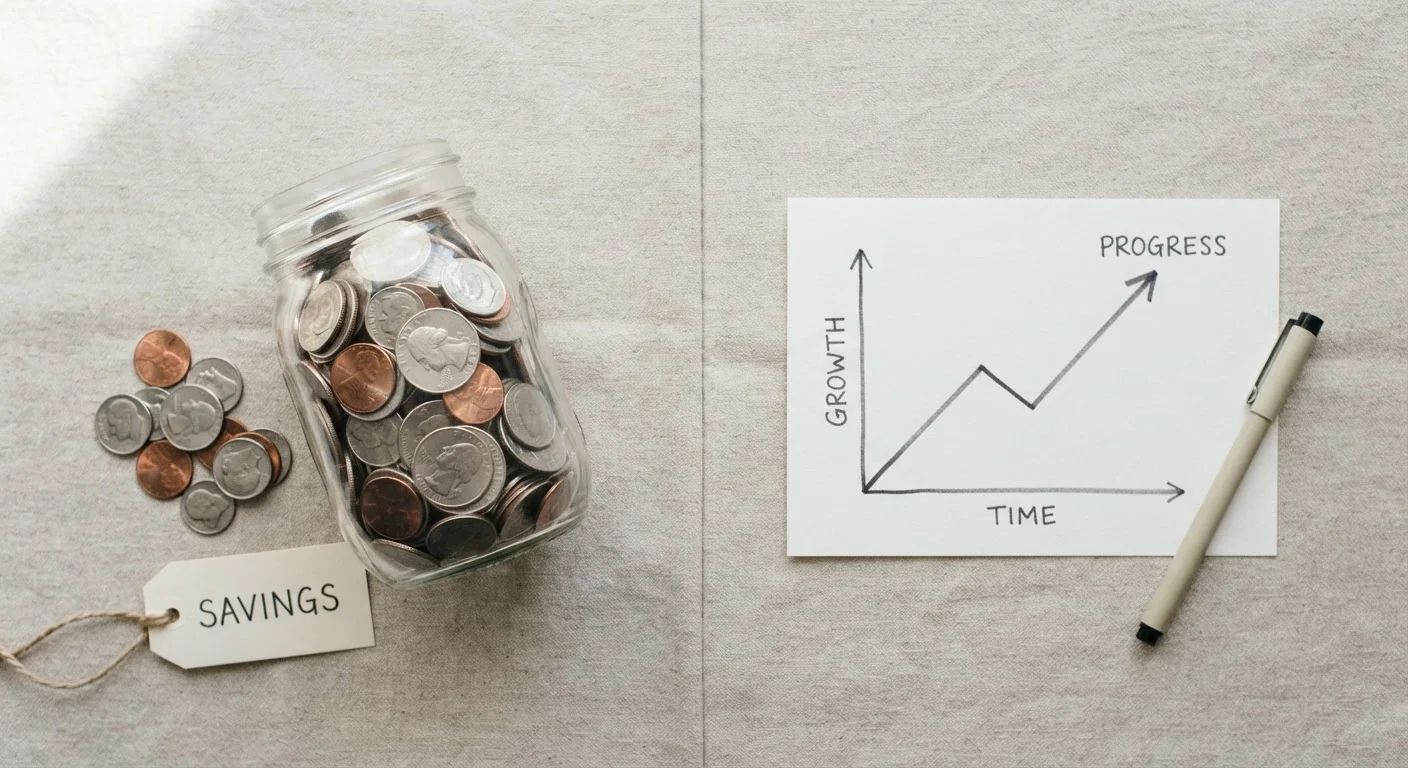
Photo: InDepthReads.com | Streamlining Learning For All editorial
Key Takeaways
- Saving preserves capital and keeps money accessible; investing aims to grow it over time.
- The right vehicle depends primarily on your time horizon and tolerance for potential loss.
- Short-term goals generally belong in savings accounts; long-term goals may warrant investing.
- Inflation can quietly erode savings kept in low-yield accounts over many years.
- Most households benefit from using both strategies simultaneously for different goals.
- Consult a licensed financial adviser before making investment decisions for your situation.
Why the Choice Matters More Than You Think
Many people treat saving and investing as interchangeable — both involve setting money aside, after all. But conflating the two can lead to real financial setbacks: keeping retirement dollars in a low-yield account for thirty years, or putting next year's down payment into a volatile market and watching it drop 20% at the worst possible moment.
The core distinction is simple. Saving means keeping money in a stable, easily accessible account — such as a high-yield savings or money market account — where the principal is protected and the return is modest but predictable. Investing means putting money into assets (stocks, bonds, mutual funds, and similar instruments) that carry risk of loss but offer the potential for meaningfully higher returns over time.
Neither is universally better. The right choice depends almost entirely on what you need the money for and when you'll need it. For a structured way to think about that, see our guide on short- vs. long-term financial goals.
| Criterion | Saving | Investing |
|---|---|---|
| Primary purpose | Preserve capital, maintain access | Grow wealth over time |
| Typical time horizon | Under 5 years | 5–10+ years |
| Risk of loss | Very low (FDIC-insured accounts) | Moderate to high; varies by asset |
| Return potential | Low to modest | Potentially higher over long term |
| Liquidity | High — accessible quickly | Varies; selling may trigger losses |
| Inflation protection | Weak over long periods | Stronger over long periods |
| Best suited for | Emergency fund, near-term goals | Retirement, long-range wealth building |
Time Horizon: The Single Most Important Variable
Financial professionals broadly use a five-year rule of thumb as a starting dividing line. Money you will need within five years generally belongs in savings. Money you can leave untouched for ten or more years can reasonably be considered for investment accounts, depending on your risk tolerance and overall financial picture.
Why does time matter so much? Market investments can — and regularly do — lose significant value over short periods. A diversified portfolio might recover from a 30% drop over several years, but if you need that money in 18 months, you may be forced to sell at a loss. Savings accounts don't grow as quickly, but your principal stays intact.
~2–3%
Average annual U.S. inflation rate
Historical long-run averages based on U.S. Bureau of Labor Statistics CPI data; actual rates vary by period.
5 years
Common minimum investment time horizon
Many financial planning frameworks use a five-year threshold before considering market-based investments for a specific goal.
28%
Americans with no emergency savings
According to Bankrate's annual emergency savings survey, a significant share of U.S. adults have no dedicated emergency fund.
The flip side is equally important: inflation typically erodes purchasing power over time. Historically, average inflation in the United States has run around 2–3% per year, meaning dollars left in accounts earning less than that rate are effectively losing value in real terms. For goals 15 or 20 years away, that drag compounds significantly — which is precisely why long-term goals often call for a growth-oriented strategy. For more on how to weigh your priorities across multiple goals, see frameworks for deciding what to tackle first.
How to Match Vehicles to Specific Goals
A practical way to apply these principles is to inventory your goals and label each with a time horizon and a consequence of loss.
- Emergency fund (0–2 years): Always savings. This money must be accessible instantly and must not shrink. A high-yield savings account typically offers better interest than a traditional account without sacrificing safety.
- Car purchase or home down payment (2–5 years): Savings, possibly including CDs or money market accounts for modest yield improvement.
- College funding (8–15 years): Often a blend — investing in tax-advantaged education accounts during early years, shifting toward more stable vehicles as the enrollment date approaches.
- Retirement (15–40 years): Generally the clearest case for a sustained investment strategy inside tax-advantaged accounts. The long runway allows compounding to work and provides time to recover from market downturns.
These Two Strategies Aren't Mutually Exclusive
For a broader look at which savings milestones to prioritize at each life stage, our overview of savings goals worth setting at every stage of life is a useful companion. And if you are still working to nail down your monthly capacity for either saving or investing, start with the budgeting basics hub.
This article is for general informational purposes only and does not constitute personalized financial or investment advice. Please consult a licensed financial adviser regarding decisions specific to your situation.
The content on this site is for informational purposes only and is not a substitute for professional advice. Always consult a qualified professional for guidance specific to your situation.