
Building a Pet First Aid Kit That's Actually Useful

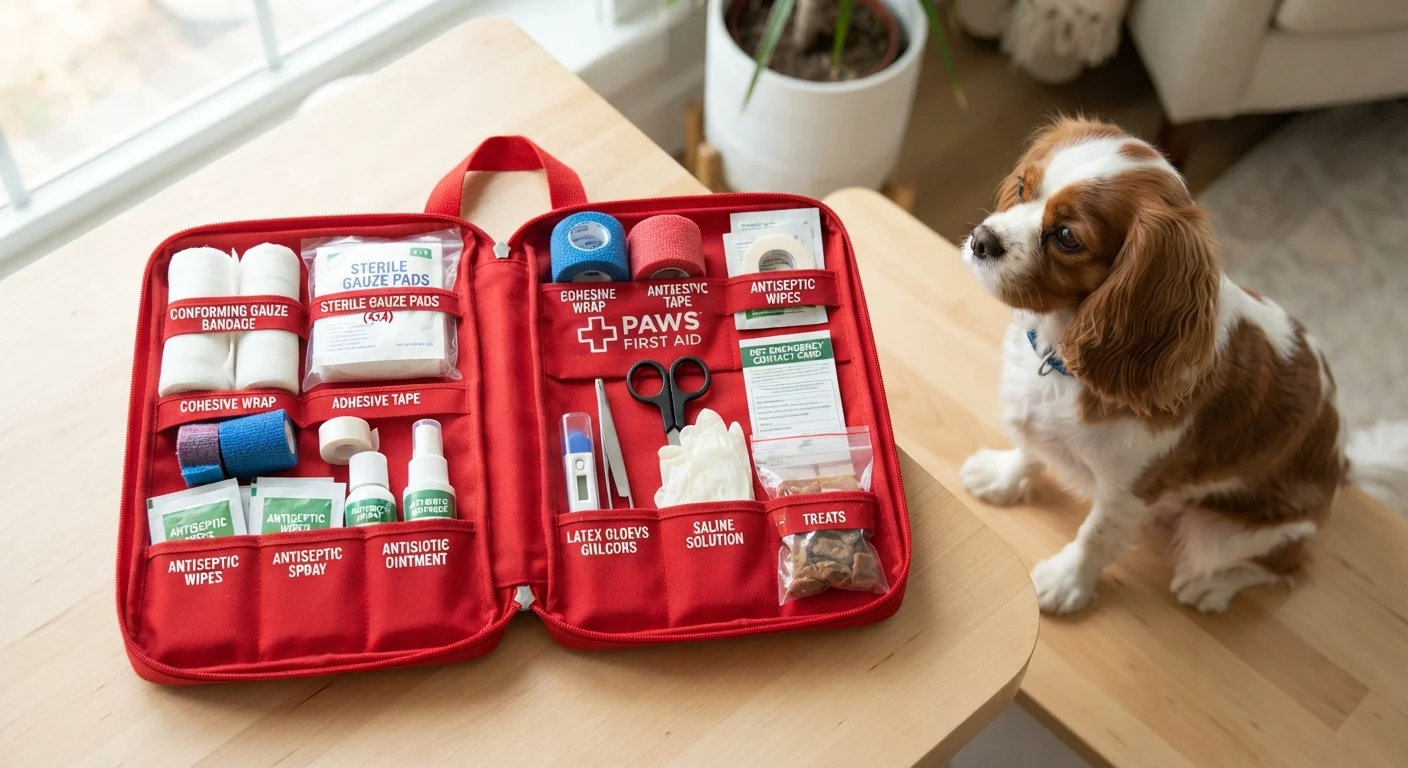
Photo: InDepthReads.com | Streamlining Learning For All editorial
Key Takeaways
- A pet first aid kit should address wounds, poisoning, shock, and restraint — not just bandaging.
- Your vet's contact info and poison control numbers belong in the kit alongside physical supplies.
- First aid supplies support professional care — they do not replace a veterinary visit.
- Kits should be reviewed every six months and restocked after any use.
- Species and size differences mean cats and large dogs may need different supply variations.
Why a Purpose-Built Kit Matters
Rummaging through bathroom drawers while your dog is bleeding or your cat has ingested something toxic costs critical time. A dedicated, organized pet first aid kit — assembled deliberately before an emergency — gives you confidence and speed when it counts most.
Importantly, first aid is a bridge, not a destination. The supplies in this kit are designed to stabilize your pet and minimize harm until you can reach a veterinarian. If you're just getting started with pet ownership, our vet-informed new pet preparation guide covers how to set up your household for safety from day one.
First Aid Is Not a Substitute for Veterinary Care
Never Induce Vomiting Without Vet Guidance
What to Include: The Full Checklist
The items below are organized by function. Work through each group and check off what you already own — then source what's missing. Most supplies are available at pharmacies; a few are pet-specific and may require a veterinary or specialty retailer.
Wound Care
Emergency Information
Monitoring and Assessment
Restraint and Transport
Ingestion and Poisoning Response
Miscellaneous Essentials
Also consider the financial side of pet emergencies. Unexpected vet bills are one of the most common unplanned expenses for pet owners. If you'd like a framework for thinking about emergency reserves more broadly, the same logic that applies to building a home emergency fund can be adapted for pet care costs.
Tools You'll Need
Physical supplies only work if you have the right tools to use them safely and effectively. The items below support everything from wound care to restraint and monitoring.
Digital Rectal Thermometer
Measures your pet's core temperature accurately — a key indicator of fever, heat stroke, or hypothermia.
Blunt-Tipped Scissors
Trims bandages and safely cuts fur around wounds without the risk of pointed-tip injuries.
Oral Dosing Syringe (60 mL)
Allows controlled delivery of fluids or vet-directed oral medications without spilling.
Tick Removal Tool or Fine Tweezers
Removes embedded ticks at the head without squeezing, which can increase infection risk.
LED Penlight
Illuminates the mouth, ears, and wounds for closer examination in dim conditions.
Latex-Free Disposable Gloves
Protects both handler and pet during wound care and prevents cross-contamination.
Kit Maintenance and Readiness
Assembling the kit is step one. Keeping it ready is an ongoing responsibility.
- Check expiration dates every six months — antiseptics and medications degrade over time.
- Restock immediately after any use, even partial use of a supply.
- Store the kit accessibly — not in a locked cabinet or high shelf. At least one household member should know exactly where it is.
- Keep a digital or printed copy of your vet's number, the nearest emergency animal hospital, and the ASPCA Animal Poison Control Center (888-426-4435) inside the kit.
A routine annual wellness visit is also the right time to ask your vet whether your kit is appropriate for your specific pet's age, size, breed, and health history. Learn more about what those checkups cover in our breakdown of what a pet wellness exam actually checks.
This article is for general informational and educational purposes only. It is not a substitute for professional veterinary advice, diagnosis, or treatment. Always contact a licensed veterinarian or emergency animal clinic when your pet is injured or ill.
The content on this site is for informational purposes only and is not a substitute for professional advice. Always consult a qualified professional for guidance specific to your situation.