
What Your Pet's Annual Wellness Exam Actually Checks

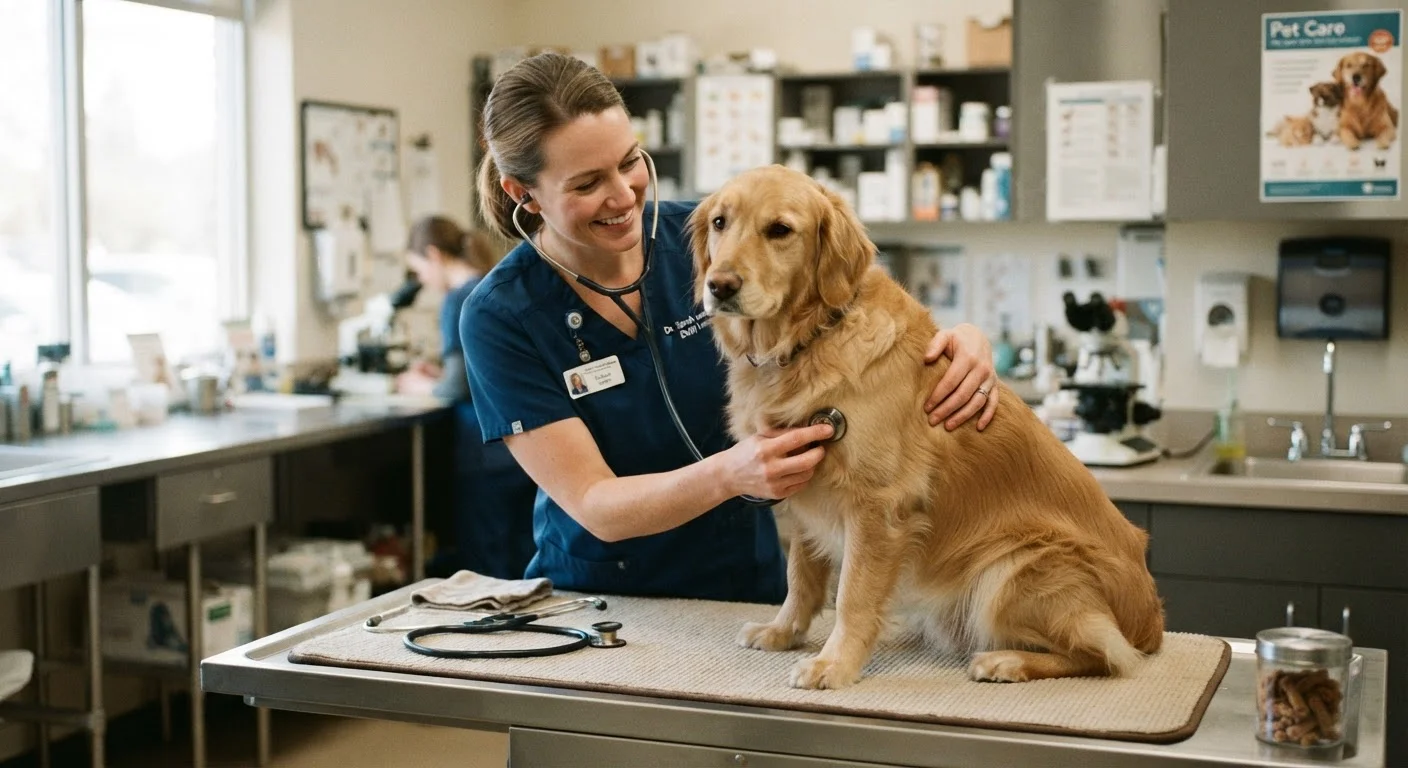
Photo: InDepthReads.com | Streamlining Learning For All editorial
Key Takeaways
- A wellness exam covers far more than vaccines — it includes a systematic physical assessment of every major body system.
- Vets use the exam to establish a health baseline, making it easier to spot gradual changes year over year.
- Owners can prepare by tracking behavioral or appetite changes to share with their vet during the visit.
- Senior pets and those with chronic conditions often benefit from more frequent checkups than once a year.
- Early detection during routine exams can reduce both treatment complexity and long-term costs.
The Physical Exam: A System-by-System Walkthrough
The centerpiece of any wellness visit is the hands-on physical exam. Your vet works methodically through each body system, gathering information that cannot be captured by observation alone.
- Eyes, ears, and nose: Vets check for discharge, cloudiness, redness, or signs of infection. Ear canals are inspected for debris or inflammation that may indicate mites or yeast overgrowth.
- Mouth and teeth: Dental disease is among the most common — and most overlooked — health issues in pets. The exam covers gum color, tartar buildup, loose teeth, and signs of oral pain.
- Lymph nodes and neck: Enlarged lymph nodes can signal infection or, in some cases, more serious systemic disease. The thyroid gland may also be palpated, particularly in cats.
- Heart and lungs: A stethoscope listen — called auscultation — checks heart rhythm and rate, and detects murmurs or abnormal lung sounds that may indicate fluid or respiratory issues.
- Abdomen: Gentle palpation assesses the size and texture of the liver, spleen, kidneys, and intestines. Unusual masses, fluid accumulation, or signs of pain are noted.
- Skin and coat: The condition of your pet's coat and skin offers meaningful clues about nutrition and systemic health. If you've noticed changes, your vet may also want to discuss diet — the signs your pet's diet may not be working are often first visible here.
- Musculoskeletal system: Joints are assessed for stiffness, swelling, or reduced range of motion. Muscle mass and symmetry are noted, especially in senior animals.
- Weight and body condition score: Vets assign a body condition score (BCS) on a standardized scale, giving an objective measure of whether a pet is underweight, at an ideal weight, or overweight.
Prepare Before the Appointment
Diagnostics: What Lab Work Adds to the Picture
A physical exam alone has limits — some conditions are invisible to touch and sight. That's why most annual exams for adult and senior pets include baseline diagnostics.
Blood panels typically evaluate two areas: a complete blood count (CBC), which looks at red and white blood cell levels and platelets, and a chemistry panel, which measures kidney and liver function, blood glucose, and electrolytes. These results can flag anemia, infection, early kidney disease, or diabetes before clinical signs emerge.
Urinalysis assesses kidney function, hydration status, and can reveal infections or crystals in the urinary tract — conditions that may show no obvious symptoms in early stages.
Fecal testing checks for intestinal parasites including roundworms, hookworms, and giardia. Many vets recommend this annually regardless of whether your pet shows gastrointestinal symptoms, since shedding can be intermittent.
~80%
Dogs with dental disease by age 3
According to the American Veterinary Medical Association, dental disease is one of the most frequently diagnosed conditions in pets — and most cases are identified during routine wellness exams.
2x
Recommended exam frequency for senior pets
Veterinary guidelines generally recommend twice-yearly wellness exams for dogs and cats over age 7, reflecting the accelerated rate of physiological change in older animals.
1 in 3
Pets diagnosed with cancer in their lifetime
The Veterinary Cancer Society estimates that cancer affects roughly one in three pets; early detection during routine physical exams significantly improves treatment outcomes.
Parasite screening connects directly to year-round prevention planning. Understanding the full landscape of parasite risks helps pet owners make informed decisions — the overview of flea, tick, and heartworm prevention covers what vets recommend and why timing matters.
The Conversation: What Your Vet Needs to Hear From You
The physical exam flows one direction — from vet to patient. But the wellness visit also depends on information only you can provide. Your observations at home give critical context that no stethoscope can replicate.
Be ready to discuss changes in appetite, water intake, energy level, bathroom habits, or behavior since the last visit. Even subtle shifts — slightly less enthusiasm at mealtime, sleeping in new spots, occasional limping — are worth mentioning. Vets are trained to connect these behavioral dots to clinical findings.
Senior Pets Need More Frequent Monitoring
This is also the moment to review preventive care. Your vet will assess which vaccines are currently due based on your pet's lifestyle and risk profile — not every pet needs every vaccine every year. The breakdown of core and non-core vaccines explains how those decisions are made.
If your pet has gone without regular checkups, it may be worth understanding the downstream effects. The health and financial costs of skipped vet visits are well-documented and often preventable with consistent preventive care.
Between visits, having the right supplies at home matters too. A well-stocked pet first aid kit can bridge the gap between a problem arising and professional care being available.
This article is for general informational and educational purposes only and does not constitute veterinary medical advice. Always consult a licensed veterinarian for guidance specific to your pet's health needs.
Frequently Asked Questions
The content on this site is for informational purposes only and is not a substitute for professional advice. Always consult a qualified professional for guidance specific to your situation.