
Why Vet Visits Keep Getting Skipped — and the Costs That Follow

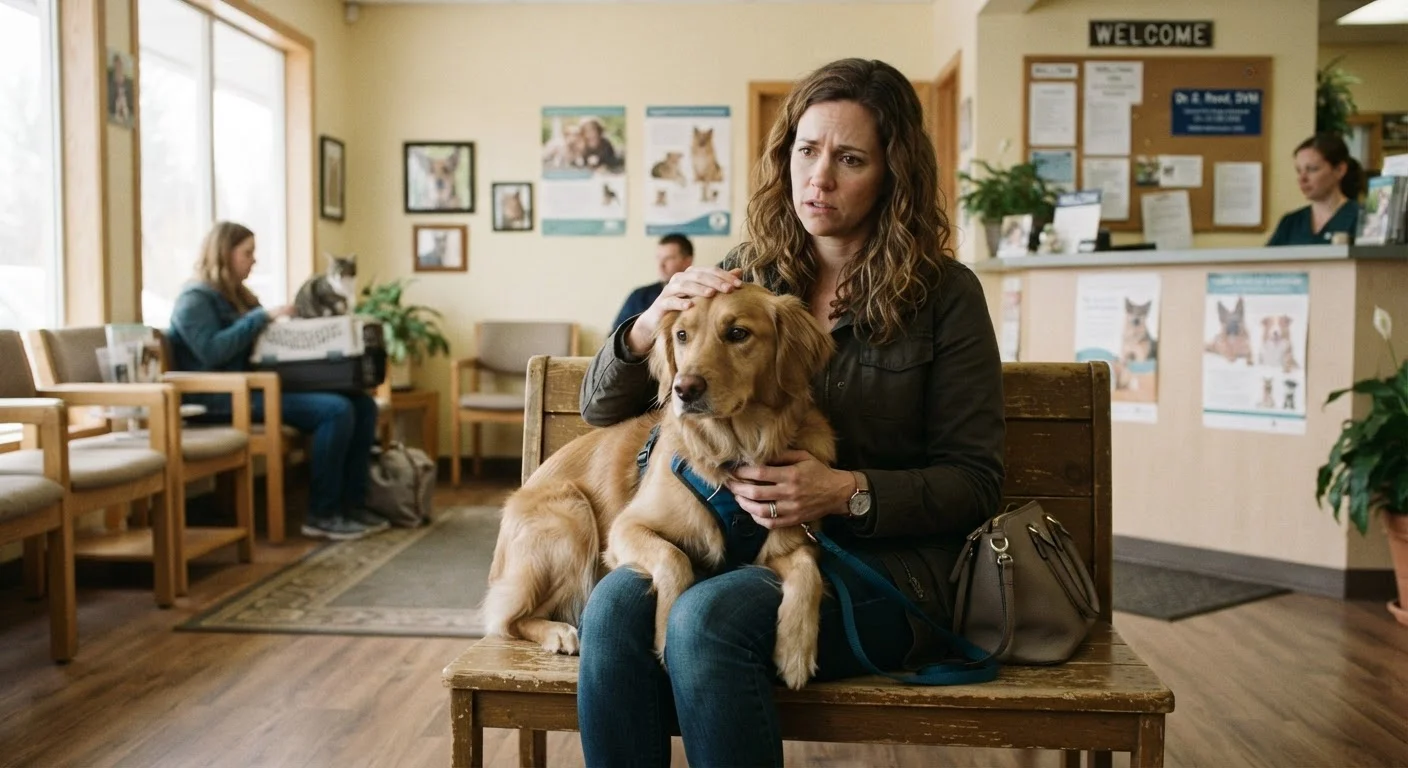
Photo: InDepthReads.com | Streamlining Learning For All editorial
Key Takeaways
- Skipping annual wellness exams allows silent, treatable conditions to progress undetected.
- Financial concern is a leading barrier to vet care, but delayed treatment almost always costs more.
- Pets instinctively hide pain and illness, making owner-initiated checkups essential rather than optional.
- Preventive care — vaccines, dental cleanings, parasite control — is significantly cheaper than reactive treatment.
- Recognizing the patterns that lead to skipped visits is the first step toward changing them.
The Invisible Problem With 'He Seems Fine'
Dogs and cats are biologically wired to conceal vulnerability. In the wild, showing weakness invites predation, so even a seriously ill pet may eat, play, and behave normally until a condition is advanced. This means an owner's casual daily observation — however loving — is not a reliable substitute for a professional exam. Veterinarians use physical palpation, bloodwork, urinalysis, and targeted questions to detect what no amount of at-home watching can reveal.
Understanding what a wellness exam actually evaluates makes it easier to see why frequency matters. Organ function, blood pressure, early-stage dental disease, and weight trends are all assessed during a routine checkup — none of which are visible to the naked eye at home.
Waiting for obvious symptoms before scheduling a vet appointment.
Letting cost concerns lead to indefinite postponement rather than a conversation with the vet.
Skipping dental exams and cleanings because the pet is eating normally.
Discontinuing preventive care — vaccines, parasite prevention, heartworm testing — once a pet seems settled into adulthood.
Assuming behavioral changes are personality quirks rather than potential health signals.
Why Owners Skip — and What It Actually Costs
Delayed veterinary care follows recognizable patterns. Cost anxiety, time constraints, and the belief that a pet is healthy are the most commonly cited reasons owners postpone or skip appointments. What those owners typically don't account for is the compounding effect of waiting: a urinary blockage that might have been flagged during a routine exam can become a multi-thousand-dollar emergency within days. Dental disease — the most widespread untreated condition in companion animals — progresses to tooth loss and systemic infection if never addressed. The parallel to home ownership is instructive: just as deferred maintenance compounds into far larger expenses, deferred veterinary care turns manageable conditions into crises.
~70%
Pets with dental disease by age 3
Veterinary dental specialists estimate that the majority of dogs and cats show signs of periodontal disease by their third year of life, yet many owners never schedule a dental exam.
3–4x
Emergency vs. preventive care cost multiplier
Veterinary professionals consistently note that treating an advanced or emergency condition can cost several times more than the preventive care that could have caught it earlier.
Pain detection is another casualty of infrequent visits. Animals are skilled at masking discomfort, and many owners don't recognize the subtle behavioral shifts that signal a problem. Learning the signs your pet may be in pain is essential, but it works best as a complement to — not a replacement for — scheduled professional evaluation.
Don't Rely Solely on Observable Symptoms
Nutrition also intersects with this pattern. Owners who skip vet visits often lack a professional lens on their pet's body condition and dietary adequacy. If you've noticed signs your pet's diet may not be working, a vet visit is the appropriate first step — not a diet swap based on guesswork.
The content on this site is for informational purposes only and is not a substitute for professional advice. Always consult a qualified professional for guidance specific to your situation.