
Why Deferred Maintenance Costs More Than the Repair Itself

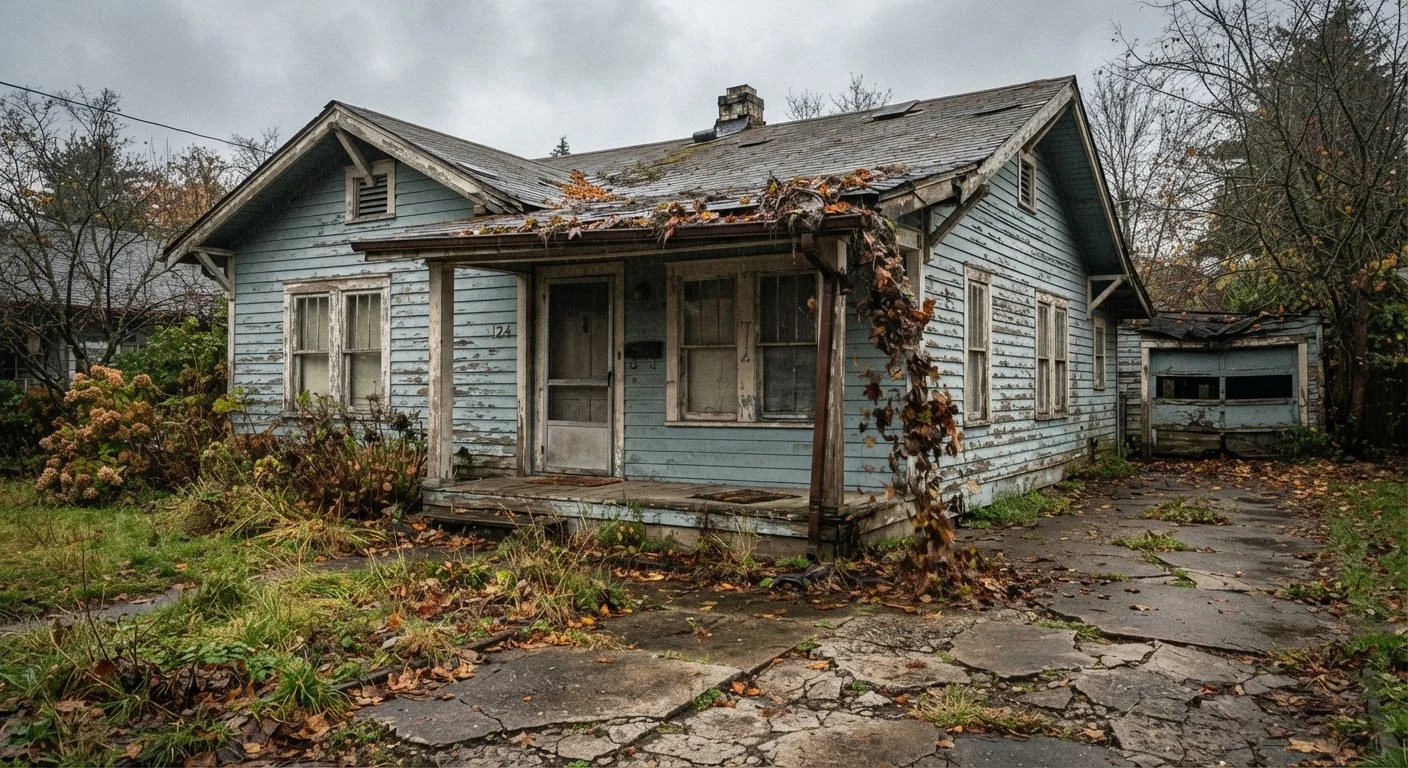
Photo: InDepthReads.com | Streamlining Learning For All editorial
Key Takeaways
- Deferred maintenance typically transforms minor, affordable repairs into major structural or system failures.
- Moisture intrusion is one of the most destructive forces in a home when left unaddressed even briefly.
- Routine inspections cost a fraction of what emergency repairs demand — and help you prioritize spending.
- Homeowners who budget 1–2% of their home's value annually for maintenance are generally better protected against surprise expenses.
The Hidden Compounding Effect of Skipped Repairs
Most deferred maintenance doesn't announce itself. A hairline crack in a caulk joint, a slightly loose flashing, or a slow-draining gutter each seem trivial in isolation. The problem is that homes are interconnected systems — water, structure, and mechanical components all interact. When one small failure goes unaddressed, it rarely stays contained.
Consider a minor roof shingle that lifts after a windstorm. Left alone for a season, moisture seeps beneath the deck boards, encouraging mold growth and rot. By the time the ceiling inside shows a stain, the repair has escalated from a $150 shingle replacement to a project that can involve decking, insulation, drywall, and mold remediation. The pattern repeats across every system in a home.
Understanding why these delays happen — and recognizing the specific mistakes homeowners make — is the first step toward protecting both your property and your finances. For a structured approach to staying ahead of these issues, see our seasonal home maintenance checklist for year-round upkeep.
Treating visible symptoms rather than identifying the underlying cause.
Postponing moisture-related repairs because the damage isn't immediately visible.
Delaying HVAC servicing until the system fails entirely.
Ignoring small plumbing leaks because they seem minor.
Skipping annual gutter cleaning and downspout inspection.
What the Numbers Say About Maintenance Neglect
Home maintenance costs are not random — they follow predictable escalation patterns when repairs are postponed. Industry guidance from housing research organizations consistently suggests that homeowners should budget roughly 1–2% of their home's purchase price annually for maintenance and upkeep. On a $350,000 home, that's $3,500–$7,000 per year — a figure many owners find uncomfortable to acknowledge until a failure forces their hand.
1–2%
Recommended annual home maintenance budget
Housing industry guidance consistently recommends setting aside 1–2% of a home's value annually for routine upkeep and repairs.
2–5×
Cost multiplier for emergency vs. planned repairs
Reactive emergency repairs routinely cost two to five times more than the same work performed proactively, due to urgency pricing and secondary damage.
$10,000+
Typical mold remediation cost after moisture neglect
According to remediation industry estimates, moderate mold remediation in a residential setting commonly runs from several thousand dollars to over $10,000 depending on affected area.
Emergency repair costs routinely run two to five times higher than the same work done proactively, because they involve urgent labor rates, temporary fixes, secondary damage remediation, and sometimes code-compliance upgrades triggered by permits. The financial burden of deferred maintenance is also a well-documented factor in reduced resale value — home inspectors flag it, buyers negotiate against it, and lenders occasionally require remediation before closing.
Homeownership carries a category of expenses that often surprises first-time buyers. Our guide on common homeownership myths explores several assumptions that lead people to underestimate these ongoing costs. The same pattern of delayed attention that affects homes plays out in other ownership contexts — the costs of skipping routine vet care follow a nearly identical logic of compounding neglect.
When to Call a Licensed Professional
Proactive maintenance is ultimately a financial discipline as much as a physical one. Homeowners who treat upkeep as a non-negotiable recurring expense — rather than an optional line item — tend to face far fewer large, disruptive repair events. For a broader look at how unexpected ownership costs accumulate, the same principle applies to vehicles: car ownership costs most people forget to budget for mirror the deferred-maintenance trap in important ways.
The content on this site is for informational purposes only and is not a substitute for professional advice. Always consult a qualified professional for guidance specific to your situation.