
Car Ownership Costs Most People Forget to Budget For

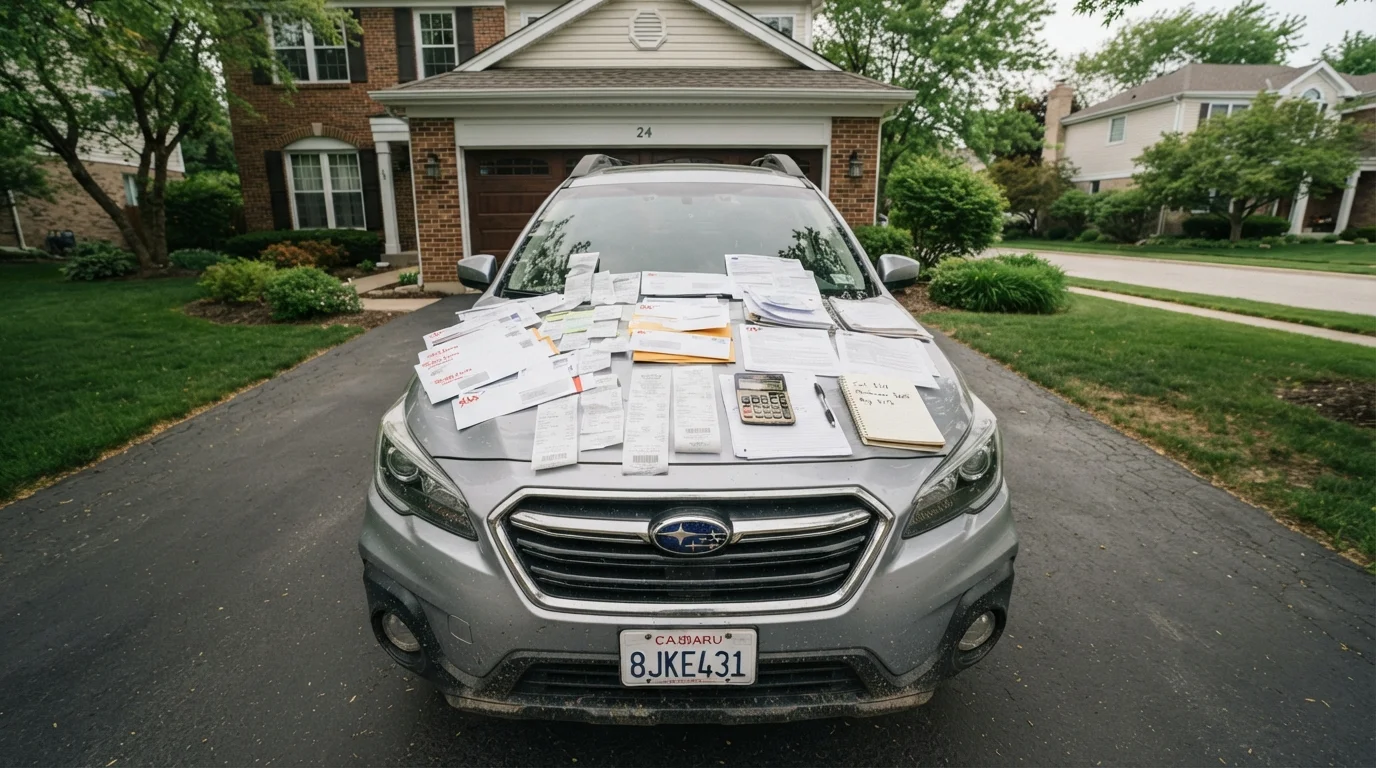
Photo: InDepthReads.com | Streamlining Learning For All editorial
Key Takeaways
- Depreciation is often the single largest cost of owning a vehicle, yet it rarely appears in a monthly budget.
- Routine maintenance, registration fees, and parking costs are easy to underestimate year over year.
- Building a dedicated car fund — separate from a general emergency fund — helps absorb unexpected repair bills.
- Fuel, insurance, and financing interest together can rival or exceed a car's monthly payment.
- Understanding all ownership costs upfront leads to more realistic and sustainable financial planning.
What Car Ownership Actually Costs
When most people budget for a car, they focus on the monthly payment. That number is concrete and predictable — everything else feels secondary. But the payment often represents less than half of what a vehicle actually costs to own each year. The expenses that don't show up on a loan statement are the ones that consistently catch drivers off guard.
Whether you're buying your first vehicle or reassessing what your current car is costing you, understanding the full picture is essential. Tracking where your money actually goes each month often reveals that transportation is consuming a much larger share of income than most people realize. The list below covers the costs most commonly left out of the budget — and why each one deserves a line of its own.
Depreciation
Depreciation is the gap between what you paid for a vehicle and what it's worth when you sell or trade it in. For most cars, value drops significantly in the first few years of ownership — some vehicles lose a substantial portion of their original value within the first five years. This loss is real money, even though it never shows up as a bill. Drivers who plan to sell or trade in their vehicle within a few years feel this cost most acutely.
Depreciation is real money lost — even though it never arrives as a bill.
Auto Insurance Premiums
Insurance is mandatory in nearly every U.S. state, but premiums vary widely based on your driving record, location, vehicle type, and coverage level. Many buyers focus on minimum liability coverage to keep costs low, only to discover that comprehensive and collision coverage — which protect your own vehicle — add considerably to the annual total. Premiums also change at renewal, sometimes meaningfully, so this cost should be reviewed regularly rather than treated as fixed.
Insurance premiums can change significantly at renewal — treat them as a variable cost.
Fuel
Fuel is the cost that fluctuates most visibly, yet many people budget based on current prices rather than a realistic average. A vehicle with lower fuel efficiency can cost hundreds of dollars more per year to operate than one with better mileage, even if the purchase price was lower. Commute length, driving habits, and local gas prices all factor in. Electric vehicle owners swap the fuel line for electricity costs, which vary by utility rates and charging habits.
A less efficient vehicle can cost hundreds more annually in fuel — factor mileage into the true price.
Routine Maintenance
Oil changes, tire rotations, air filters, brake pads, and fluid top-offs are predictable costs that still catch people off guard when they arrive all at once. Skipping or deferring routine maintenance to save money in the short term tends to create larger repair bills later. The same principle that applies to homes holds true for vehicles: small neglected issues compound into expensive ones.
Skipping routine maintenance rarely saves money — it typically shifts the cost to a larger future repair.
Registration, Taxes, and Fees
Annual vehicle registration fees vary considerably by state and, in some states, by the age and value of the vehicle. Some states also levy a personal property tax on vehicles each year. These costs are easy to forget between renewal cycles. First-time buyers are often surprised that sales tax, title fees, and dealer documentation fees can add a meaningful amount to the total purchase price at closing.
Registration, taxes, and title fees are annual or upfront costs that belong in every car budget.
Loan Interest
When a car is financed, the interest paid over the life of the loan adds substantially to the total cost. A longer loan term lowers the monthly payment but increases total interest paid — sometimes by thousands of dollars. Buyers who focus exclusively on monthly payment rather than total loan cost often underestimate how much the vehicle actually costs them. Aligning loan terms with your financial goals is a smarter starting point than negotiating purely on payment size.
Longer loan terms mean lower payments but thousands more paid in interest over time.
Parking and Tolls
For drivers in urban areas or who commute through toll roads, these costs can easily run into hundreds of dollars per year. Monthly parking passes, garage fees, street parking meters, and electronic toll charges accumulate quietly. Even suburban drivers may encounter tolls on highways or bridges that don't register as a significant expense until they add up the annual total. These should be itemized honestly in any transportation budget.
Urban parking and toll costs can quietly add hundreds of dollars to your annual transportation bill.
Unexpected Repairs
Even well-maintained vehicles need unplanned repairs. Tires fail, batteries die, and components wear out without warning. Without a dedicated reserve, these expenses land on a credit card or disrupt other financial plans. A practical approach is to maintain a separate car fund — distinct from a general emergency fund — sized to absorb at least one moderate repair per year. Practical budgeting frameworks can help you determine a realistic monthly contribution to that fund.
A dedicated car repair fund — separate from your emergency fund — absorbs unexpected costs without disrupting your budget.
Build a Budget That Reflects Reality
None of these costs are hidden in fine print — they're just easy to push to the back of your mind when you're focused on whether you can afford the monthly payment. The practical fix is straightforward: add up all the expenses above on an annual basis and divide by twelve. That number, added to your loan payment, gives you a realistic monthly cost of ownership.
Run the Numbers Before You Commit
First-time car owners in particular benefit from running these numbers before signing anything. And if you're already in the weeds on repairs, understanding the assumptions that cost drivers money at the mechanic can prevent overspending when something goes wrong. For a broader financial perspective, the budgeting basics hub offers practical frameworks for fitting vehicle costs into a workable spending plan.
The content on this site is for informational purposes only and is not a substitute for professional advice. Always consult a qualified professional for guidance specific to your situation.