
Common Myths About Spaying and Neutering Your Pet

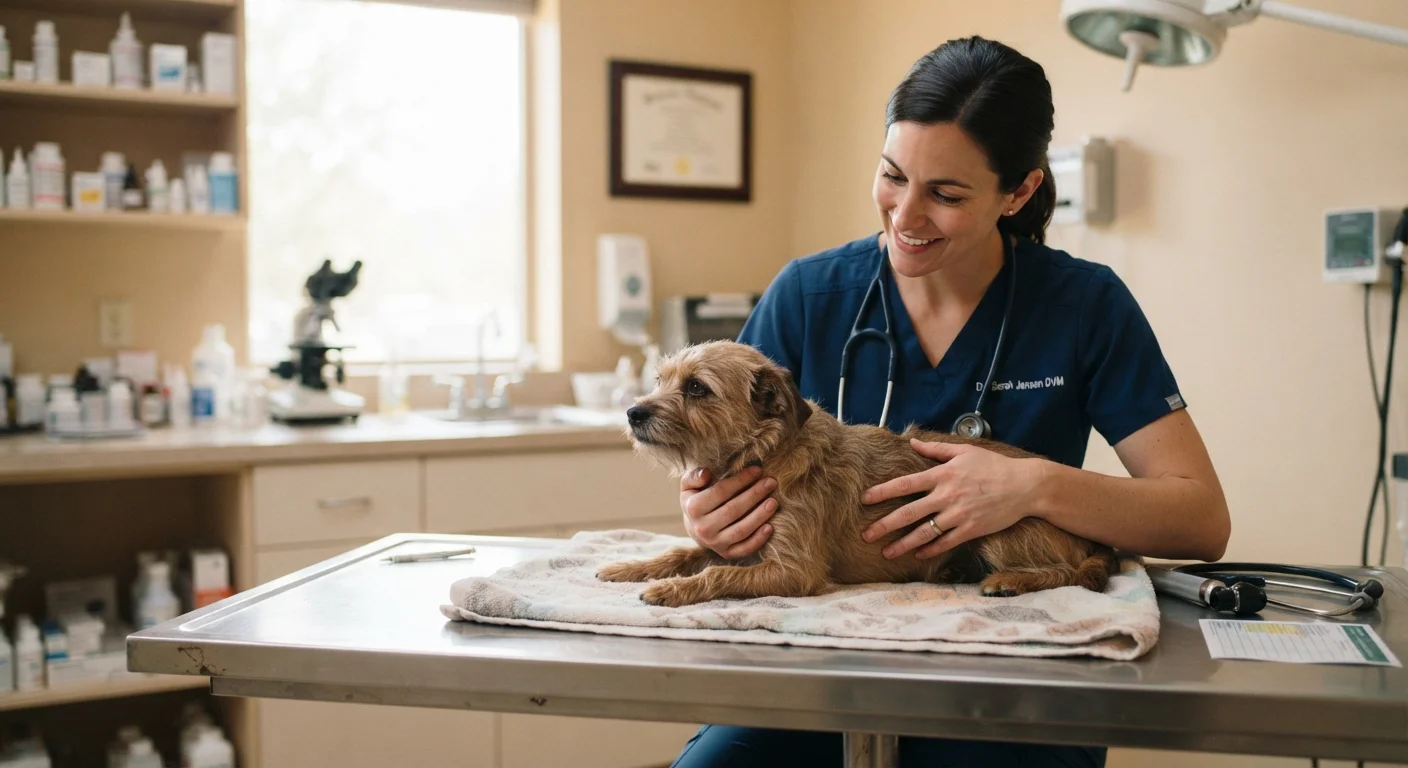
Photo: InDepthReads.com | Streamlining Learning For All editorial
Key Takeaways
- Neutering does not directly cause weight gain — diet and exercise are the primary factors.
- Pets do not need to have a litter before being spayed or neutered for health reasons.
- Spaying and neutering reduces the risk of certain cancers and eliminates reproductive emergencies.
- Behavioral benefits are real but vary by individual animal and are not guaranteed.
- Optimal timing for the procedure depends on species, breed, and size — consult your vet.
Why These Myths Persist
Spaying and neutering are among the most widely recommended preventive health measures in veterinary medicine, yet misconceptions about both procedures remain stubbornly common. Some myths originate from well-meaning tradition passed between generations of pet owners. Others stem from genuine uncertainty as veterinary recommendations have evolved. A few are simply misreadings of real science.
Understanding what the evidence actually shows helps pet owners make confident, informed decisions — rather than ones shaped by outdated advice or online rumor. The myth-fact pairs below address the most frequently heard concerns, grounded in current veterinary consensus.
Myth
Neutering will automatically make my pet gain weight.
Fact
Altered metabolism plays a role, but weight gain is primarily driven by overfeeding and insufficient exercise, not the surgery itself.
Gonadal hormones do influence metabolic rate, and research shows that caloric needs may decrease modestly after spaying or neutering. However, the surgery itself does not make weight gain inevitable. Owners who adjust portion sizes and maintain regular activity can keep their pets at a healthy weight throughout their lives. See how vets assess body condition to learn what a healthy weight looks like and how to monitor it at home.
Myth
A female pet should have at least one litter before being spayed — it's better for her health.
Fact
There is no veterinary evidence that having a litter benefits a female pet's long-term health. The opposite is often true.
This is one of the most enduring myths in pet ownership. Veterinary consensus is clear: allowing a female dog or cat to have a litter before spaying provides no documented physical or psychological benefit. In fact, spaying before the first heat cycle significantly reduces the risk of mammary tumors in dogs, and eliminates the risk of pyometra — a potentially life-threatening uterine infection. Breeding also carries its own health risks for the mother, including complications during pregnancy and delivery.
Myth
Neutering changes a pet's fundamental personality.
Fact
Core personality traits are not altered by the procedure. Some hormone-driven behaviors may diminish, but temperament is shaped by genetics and upbringing.
Owners sometimes worry their dog or cat will become a different animal after surgery. In reality, the procedure affects behaviors driven by sex hormones — such as roaming, mounting, and urine marking — rather than the traits that define a pet's character. A playful, affectionate dog will remain so. Some aggression rooted in hormonal competition may lessen, but aggression with other causes requires behavioral intervention regardless of reproductive status. For guidance on managing behavior, the Pet Training & Behavior hub covers evidence-based approaches.
Myth
The surgery is too risky and traumatic for pets.
Fact
Spaying and neutering are among the most commonly performed veterinary procedures, with well-established safety profiles when done by a licensed vet.
Like any procedure requiring anesthesia, there are inherent risks, but serious complications are uncommon in otherwise healthy animals. Pre-surgical screening, modern anesthetic protocols, and post-operative monitoring have made these routine surgeries very safe. The risks of leaving pets intact — including pyometra, testicular cancer, certain mammary cancers, and the stress of repeated heat cycles — are in most cases considerably greater than the surgical risk for a healthy candidate.
Myth
Male pets don't need to be neutered because they can't get pregnant.
Fact
Neutering male pets reduces health risks, prevents unwanted litters, and can curb problematic hormone-driven behaviors.
The reproductive equation is not one-sided. An intact male dog or cat can father large numbers of offspring throughout his life, contributing directly to pet overpopulation. Beyond reproduction, intact males face elevated risks of testicular cancer and benign prostatic hyperplasia (enlargement of the prostate gland). Neutering eliminates these risks and can reduce tendencies to roam, mark territory indoors, and engage in dominance-related mounting — though results vary by individual animal.
Myth
There's one universally correct age to spay or neuter every pet.
Fact
Optimal timing varies by species, breed size, and individual health — a conversation with your vet is essential.
Guidance on timing has evolved. For small-breed dogs and cats, early spay/neuter (around five to six months) remains broadly supported. For large- and giant-breed dogs, some veterinary research suggests waiting until skeletal maturity may reduce the risk of certain orthopedic conditions and some cancers. This is an active area of veterinary discussion, and a one-size-fits-all answer no longer reflects the science. Your veterinarian can evaluate your specific pet's breed, size, lifestyle, and health history to recommend timing that balances all relevant factors.
Managing Weight After the Procedure
Because metabolic changes after spaying or neutering are real, even if they are not the whole story, weight management deserves attention in the months following surgery. Veterinarians commonly recommend reassessing caloric intake at the post-operative checkup and adjusting feeding accordingly.
Portion control and consistent physical activity are the two most effective tools. How meal structure affects your pet's weight is worth reviewing for practical guidance. You may also want to look at common feeding mistakes that can quietly harm your pet's health, since overfeeding after surgery is one of the more avoidable contributors to weight gain. If you notice changes in coat quality, energy, or digestion as you adjust your pet's diet, those can be signs worth discussing with your vet — signs your pet's diet may not be working covers what to watch for.
Always Consult Your Veterinarian First
This article is for general informational and educational purposes only and does not constitute veterinary medical advice. Always consult a licensed veterinarian regarding your individual pet's health decisions.
The content on this site is for informational purposes only and is not a substitute for professional advice. Always consult a qualified professional for guidance specific to your situation.