
Feeding Mistakes That Can Quietly Harm Your Pet's Health

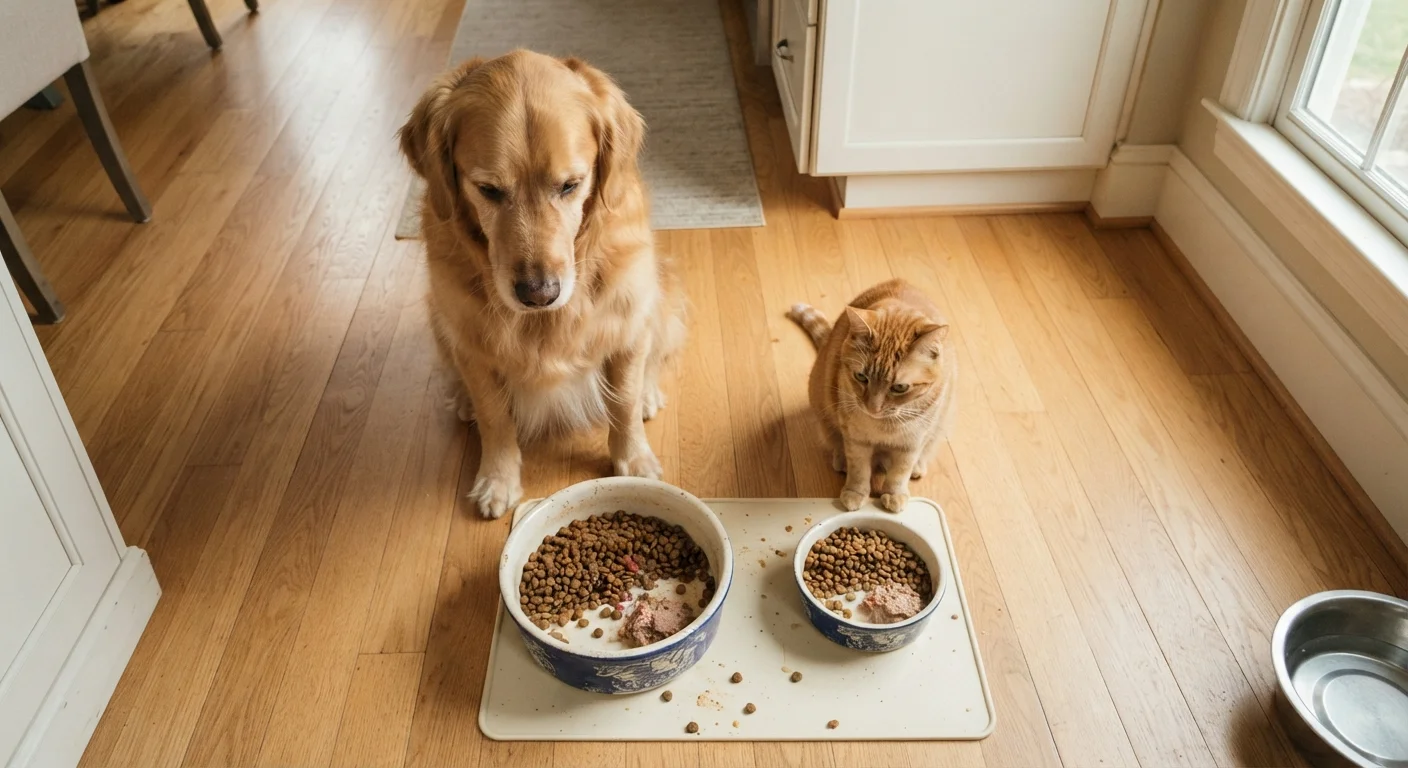
Photo: InDepthReads.com | Streamlining Learning For All editorial
Key Takeaways
- Overfeeding is one of the most common and consequential nutritional mistakes pet owners make.
- Treats should account for no more than 10% of a pet's daily caloric intake.
- Nutritional needs shift significantly as pets age — life-stage formulas exist for a reason.
- Abruptly switching foods can cause digestive upset and mask underlying dietary issues.
- Free-feeding dry food makes portion control nearly impossible and promotes weight gain.
Why Small Feeding Habits Have Large Consequences
Pets depend entirely on their owners for every nutritional decision — portion size, ingredient quality, meal timing, and treat frequency. That makes feeding one of the highest-impact areas of everyday pet care, and one where small, well-intentioned habits can compound into real health problems over time.
Understanding the basics of pet nutrition before filling the bowl is a meaningful starting point. But even owners who've done their research can fall into patterns that quietly undermine their pet's wellbeing — not through neglect, but through habits that feel routine and harmless.
The consequences range from gradual weight gain and energy loss to more serious issues like organ stress, skeletal problems, and shortened lifespan. Signs that a pet's diet may not be working are often subtle early on, which is why it's worth examining these habits before problems become visible.
~60%
U.S. pets classified as overweight or obese
According to the Association for Pet Obesity Prevention's annual clinical survey, the majority of American dogs and cats are above their ideal body weight.
10%
Maximum recommended daily calories from treats
Veterinary nutritionists broadly advise keeping treat calories at or below 10% of a pet's total daily caloric intake to avoid unbalancing the diet.
7–10 days
Recommended food transition window
A gradual transition period of at least one week is widely recommended by veterinarians to reduce gastrointestinal upset when switching pet foods.
The Most Common Feeding Mistakes — and How to Correct Them
The errors below aren't unusual or careless — they show up regularly across all types of pet households. What they share is that they're easy to overlook precisely because they feel like normal, even attentive, pet care.
Overfeeding based on packaging guidelines alone without accounting for individual caloric needs.
Using treats as a primary bonding or training tool without tracking how they add up calorically.
Continuing to feed a puppy or kitten formula well into adulthood, or switching a senior pet to adult maintenance food without guidance.
Switching foods abruptly when a new option seems appealing or a sale is available.
Free-feeding dry kibble throughout the day rather than offering measured meals.
Supplementing a complete and balanced diet with vitamins or minerals without veterinary guidance.
When Diet Changes Need Veterinary Input
For owners who cook for their pets or are considering it, homemade diets carry their own nutritional trade-offs worth understanding before making the switch. And if you're actively managing your pet's weight, portion size and feeding frequency play a larger role than most owners realize.
Feeding Through Life Stages and What Changes
One of the most underappreciated aspects of pet nutrition is that the right diet at age two may be genuinely inadequate — or even harmful — at age ten. Nutritional needs shift with growth, reproductive status, activity level, and age-related metabolic changes.
Senior pets, in particular, often need recalibrated diets. Reduced kidney function may warrant lower phosphorus intake; decreased activity lowers caloric requirements; joint health may benefit from specific nutrient profiles. Feeding a senior pet well involves nutritional shifts that support aging — and those decisions are worth discussing directly with a veterinarian rather than making independently.
Similarly, if grain-free diets are on your radar, common myths about grain-free diets are worth reviewing before drawing conclusions from marketing language alone.
This article is for general informational and educational purposes only. It is not a substitute for professional veterinary advice, diagnosis, or treatment. Always consult a qualified veterinarian before making changes to your pet's diet, especially if your pet has an existing health condition.
The content on this site is for informational purposes only and is not a substitute for professional advice. Always consult a qualified professional for guidance specific to your situation.