
Common Myths About Grain-Free Pet Diets

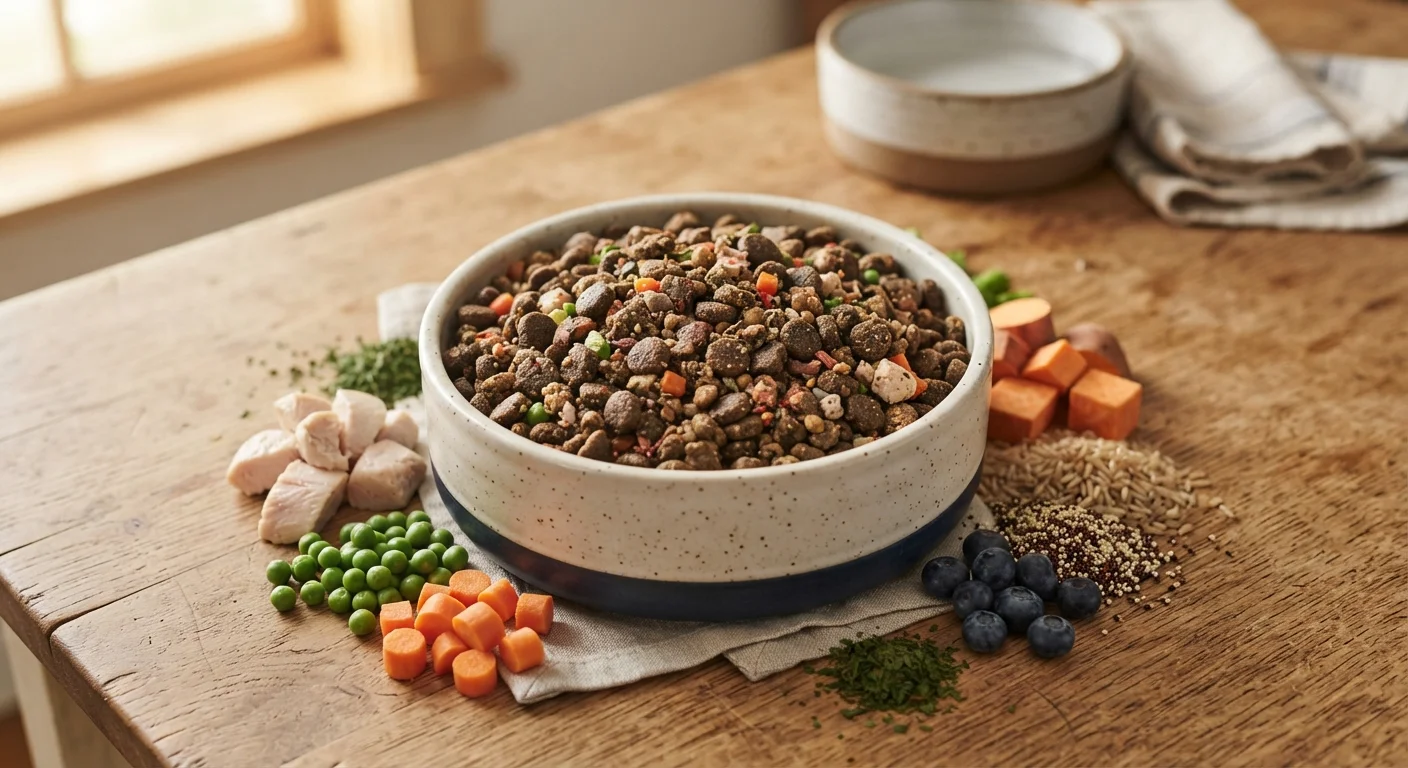
Photo: InDepthReads.com | Streamlining Learning For All editorial
Key Takeaways
- Grain-free does not automatically mean higher quality or more nutritious for most pets.
- The FDA investigated a possible link between grain-free diets and dilated cardiomyopathy in dogs.
- Most dogs and cats digest grains well and are rarely truly grain-intolerant.
- Legumes and potatoes used as grain substitutes carry their own nutritional trade-offs.
- Always consult a veterinarian before making significant changes to your pet's diet.
Why Grain-Free Diets Became So Popular
Over the past two decades, grain-free pet food has grown from a niche product into one of the most prominent segments on pet store shelves. The appeal is intuitive: if grains like corn, wheat, and rice are sometimes flagged as problematic in human diets, shouldn't the same logic apply to our pets?
Marketing language has leaned heavily into this association, positioning grain-free formulas as ancestral, natural, or biologically appropriate. But veterinary nutritionists caution that compelling packaging doesn't equal nutritional superiority. Understanding where the myths come from — and what the evidence actually shows — is essential before you change what's in your pet's bowl.
For a deeper look at how to evaluate pet food claims on your own, see our guide on reading a pet food label without getting lost in the fine print.
Myth
Grain-free diets are inherently healthier and more natural for dogs and cats.
Fact
Grains are not inherently harmful to pets, and grain-free formulas are not automatically more nutritious.
Dogs have evolved alongside humans for thousands of years and have developed the ability to digest starches, including cooked grains. Multiple studies, including genomic research published in Nature, have identified that domestic dogs carry more copies of the amylase gene than wolves — a direct adaptation to starch digestion. The word "natural" in marketing rarely has a regulated nutritional meaning, and ancestral-diet logic doesn't map cleanly onto modern pet physiology or commercially manufactured food.
Myth
Most pets are allergic or sensitive to grains.
Fact
True grain allergies in pets are uncommon; animal proteins are far more frequent allergen sources.
Food allergies in dogs and cats most commonly involve animal proteins such as beef, chicken, dairy, and eggs — not grains. A genuine grain allergy, confirmed through veterinary elimination diet trials, is relatively rare. Many pet owners attribute symptoms like itching or digestive upset to grains based on assumption rather than diagnosis. If you suspect your pet has a food sensitivity, a veterinarian-guided elimination trial is the appropriate path — not a label switch based on marketing.
Myth
Grain-free means low-carb.
Fact
Grain-free pet foods often contain substantial carbohydrates from legumes, lentils, peas, and potatoes.
Removing grains from a pet food formula doesn't eliminate carbohydrates — it replaces them with alternative sources. Peas, chickpeas, lentils, tapioca, and sweet potatoes are common substitutes in grain-free products, and some of these carry a higher glycemic load than the grains they replace. Pet owners seeking a genuinely low-carbohydrate diet for a specific medical reason, such as managing diabetes in a cat, should work with a veterinary nutritionist rather than relying on "grain-free" labeling as a proxy.
Myth
Grain-free diets are safe for all dogs because they're widely sold.
Fact
The FDA investigated a potential link between certain grain-free diets and dilated cardiomyopathy (DCM) in dogs.
Beginning in 2018, the FDA received a significant increase in reports of DCM in dog breeds not typically predisposed to the condition. A common factor across many of the reported cases was consumption of grain-free diets high in legumes or potatoes. While a definitive causal relationship has not been established and the investigation is ongoing, veterinary cardiologists have noted the association is strong enough to warrant discussion at wellness visits. Wide commercial availability is not evidence of safety, particularly for individual animals with specific health profiles.
Myth
Grain-free diets are the best choice for dogs with itchy skin or digestive issues.
Fact
Skin and GI symptoms in pets have many causes; switching to grain-free without diagnosis often doesn't resolve them.
Environmental allergens, parasites, bacterial or yeast infections, and protein-based food allergies are all common causes of skin and digestive problems in dogs. Switching to a grain-free formula without a veterinary diagnosis is a process of elimination that skips the elimination. If a food-related cause is suspected, a veterinarian will typically recommend a hydrolyzed protein or novel protein diet under controlled conditions — not a commercial grain-free product, which may still contain the actual offending ingredient.
What the Science Actually Says
The grain-free conversation took a significant turn when the U.S. Food and Drug Administration (FDA) began investigating a potential association between grain-free diets and dilated cardiomyopathy (DCM) — a serious heart condition — in dogs. The investigation, which ran from 2018 onward, identified that many of the implicated diets were high in legumes, lentils, and potatoes, ingredients commonly used to replace grains.
Importantly, the FDA has not established a confirmed causal mechanism, and research is ongoing. Still, the investigation shifted the conversation among veterinary cardiologists and nutritionists, who now frequently recommend discussing diet history when evaluating cardiac health in dogs.
DCM and Grain-Free Diets: An Unresolved Question
Cats present a different picture. As obligate carnivores, cats have a limited ability to digest certain carbohydrates — but this doesn't mean all grains are harmful. Cooked grains are generally digestible for cats and contribute energy without displacing essential protein.
For context on how nutritional misinformation spreads more broadly, the pattern mirrors the kind of myth-making examined in nutrition headlines that keep getting it wrong.
If you're weighing more fundamental dietary choices for your pet, our overview of homemade versus commercial diets offers an honest comparison of both approaches.
320+
Dog DCM cases reported to the FDA
The FDA received over 320 reports of canine dilated cardiomyopathy potentially linked to diet between January 2014 and April 2019, prompting an ongoing investigation.
~1–2%
Estimated prevalence of true food allergies in dogs
Veterinary dermatology literature estimates true food allergies affect a small minority of dogs, with animal proteins — not grains — as the most common triggers.
Ultimately, the right diet depends on your individual pet's health status, age, breed, and any diagnosed conditions. Before switching to or away from a grain-free formula, a conversation with your veterinarian — ideally one with nutritional training — is the most reliable first step. See our companion piece on feeding mistakes that can quietly harm your pet's health for more on habits that carry unintended nutritional consequences.
This article is for general informational and educational purposes only and is not a substitute for personalized veterinary advice. Always consult a licensed veterinarian for guidance specific to your pet's health and nutritional needs.
The content on this site is for informational purposes only and is not a substitute for professional advice. Always consult a qualified professional for guidance specific to your situation.