
The Truth Behind Nutrition Headlines That Keep Getting It Wrong

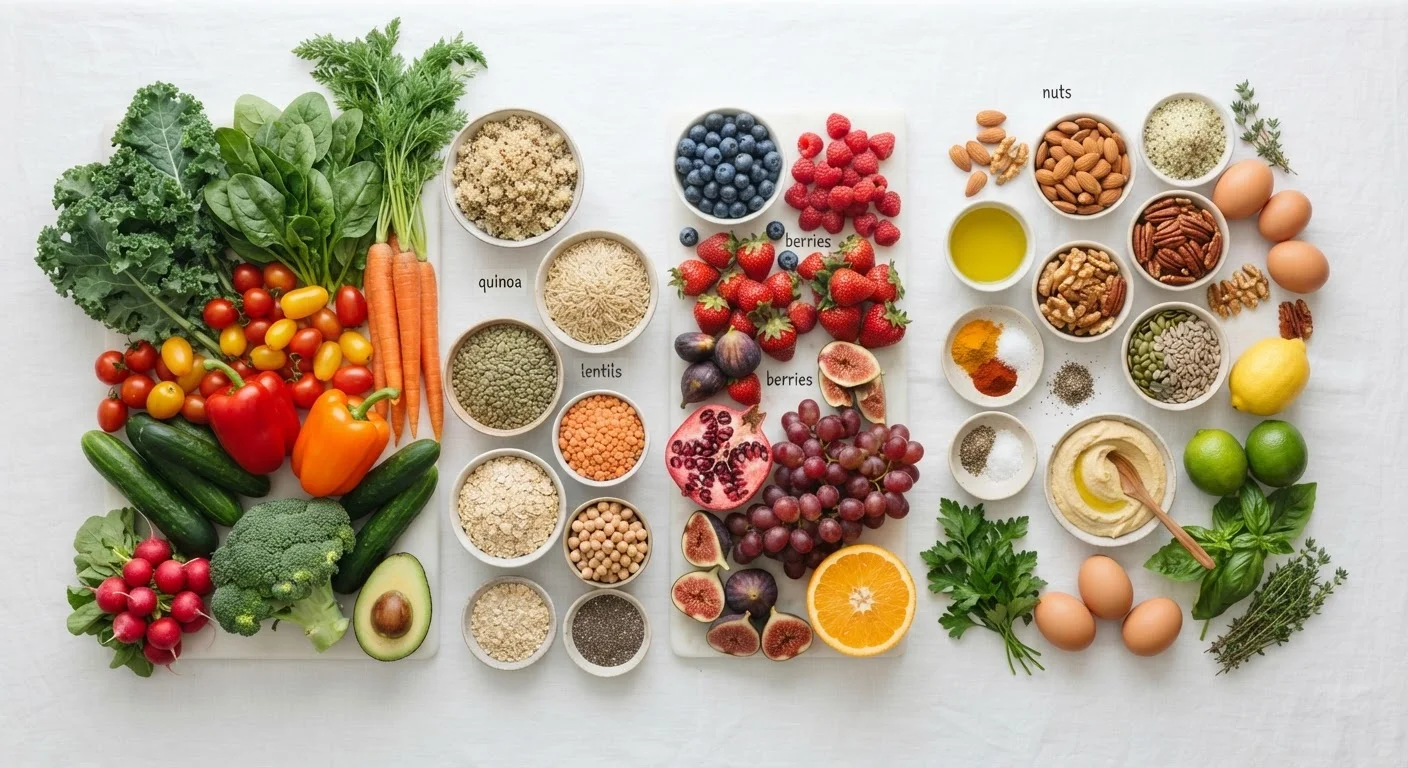
Photo: InDepthReads.com | Streamlining Learning For All editorial
Key Takeaways
- Carbohydrates are not inherently fattening — food quality and total calorie balance matter most.
- Detox cleanses have no scientific backing; your liver and kidneys already handle that job.
- Eating fat does not directly cause body fat — the type and amount consumed matters significantly.
- Skipping meals does not reliably boost metabolism; consistent nourishment typically supports it better.
- Single superfoods cannot compensate for an overall poor dietary pattern.
Why Nutrition Myths Keep Spreading
Nutrition is one of the most studied — and most misreported — fields in public health. A single observational study can generate dozens of alarming headlines before peer review or replication even takes place. Add social media amplification and the financial incentives of the wellness industry, and it's easy to see why so many Americans carry beliefs about food that don't reflect the current scientific consensus.
The myths below aren't fringe ideas. They appear in mainstream media, on popular podcasts, and in conversations at dinner tables across the country. Understanding where they break down helps you build a more grounded, sustainable approach to eating. For a deeper look at how carbohydrates, proteins, and fats actually function in the body, that foundation makes these corrections even clearer.
Myth
Carbs make you fat, so cutting them out is the key to losing weight.
Fact
Carbohydrates are not inherently fattening. Body weight is primarily influenced by overall calorie balance, food quality, and individual metabolic factors.
The idea that carbohydrates are uniquely responsible for weight gain oversimplifies a complex biological process. While low-carbohydrate diets can be effective for some people, research consistently shows that no single macronutrient is the primary driver of fat gain. Excess calories — from any source — contribute to weight gain over time. Whole-food carbohydrate sources like legumes, oats, and root vegetables also provide fiber, vitamins, and minerals that support overall health. Eliminating entire food groups without clinical guidance is rarely necessary and can make eating patterns harder to sustain.
Myth
Detox cleanses and juice fasts reset your gut and flush out toxins.
Fact
The liver, kidneys, and digestive system continuously filter and eliminate waste products. No commercial cleanse has been shown to enhance this process.
The word "detox" in the wellness market is largely a marketing term. The human body has a sophisticated, built-in detoxification system — primarily the liver and kidneys — that operates continuously without external assistance. Peer-reviewed research has not demonstrated that short-term juice cleanses, herbal flushes, or similar products meaningfully improve this process or produce lasting health benefits. Some cleanses can also be high in sugar or very low in protein, potentially disrupting energy levels and gut balance rather than supporting them.
Myth
Eating fat makes you fat.
Fact
Dietary fat does not directly convert to body fat. Fat is an essential macronutrient, and the type consumed has significant implications for cardiovascular and metabolic health.
This myth traces back partly to misinterpreted research from the mid-20th century and was compounded by decades of low-fat food marketing. In reality, fat is essential for hormone production, fat-soluble vitamin absorption (A, D, E, and K), and brain function. The distinction that matters is between fat types: unsaturated fats found in foods like olive oil, avocados, and nuts are associated with positive health outcomes in research, while industrially produced trans fats — now largely removed from the U.S. food supply — were consistently linked to cardiovascular harm. Saturated fat remains an area of active research and scientific discussion.
Myth
Skipping breakfast boosts your metabolism and helps you burn more fat.
Fact
There is no strong universal evidence that skipping breakfast increases metabolic rate. Individual responses vary, and skipping meals can increase hunger later in the day for many people.
Intermittent fasting has legitimate research behind it for certain outcomes, but the specific claim that skipping breakfast meaningfully raises metabolism is not well supported across the general population. Metabolism is influenced by muscle mass, hormones, sleep quality, and overall dietary patterns — not primarily by meal timing. For some people, skipping breakfast leads to compensatory overeating later. For others, it fits naturally into their routine without negative effect. Neither approach is universally superior, and anyone with blood sugar regulation concerns should consult a healthcare provider before skipping meals.
Myth
Eating a superfood every day can offset an otherwise poor diet.
Fact
No single food, however nutrient-dense, can compensate for an overall dietary pattern that lacks variety and balance.
"Superfood" is a marketing term, not a scientific classification. While certain foods — blueberries, salmon, leafy greens, walnuts — are genuinely nutrient-dense and worth including regularly, their benefits exist within the context of a broader dietary pattern. Research on diet and chronic disease consistently points to overall eating patterns rather than individual foods as the most meaningful predictor of long-term health outcomes. Focusing on a single ingredient while the rest of the diet remains poor is unlikely to produce meaningful benefit.
Building a More Evidence-Based Plate
Correcting individual myths is useful, but the bigger picture matters more. Decades of nutrition research consistently point toward the same broad principles: prioritize whole and minimally processed foods, eat a wide variety of vegetables and legumes, and pay attention to hunger and fullness cues rather than rigid rules.
~5%
Americans meeting daily fiber recommendations
Research published in the American Journal of Lifestyle Medicine estimates that only about 5% of Americans consume adequate dietary fiber each day.
70%+
U.S. calories from ultra-processed foods
Studies using national dietary data suggest Americans derive more than 70% of daily calories from ultra-processed food sources, according to research published in BMJ Open.
One nutrient that rarely gets the attention it deserves is fiber. Most American adults consume well below the generally recommended amount, despite strong evidence linking adequate fiber intake to digestive health, cardiovascular support, and sustained energy. If you want to start somewhere practical, fiber is one of the most impactful areas to address.
It's also worth acknowledging that some well-intentioned eating approaches can be difficult to maintain over time. Our related piece on nutrition patterns that are harder to sustain than they look explores which habits tend to backfire and what to consider instead. And if you're curious how dietary fat fits in, understanding the differences between fat types can help you make more informed choices without unnecessary restriction.
Nutrition Advice Is Not One-Size-Fits-All
This article is for general informational and educational purposes only and is not a substitute for professional medical or dietary advice. Always consult a qualified healthcare provider or registered dietitian before making significant changes to your diet.
The content on this site is for informational purposes only and is not a substitute for professional advice. Always consult a qualified professional for guidance specific to your situation.