
Feeding a Senior Pet: Nutritional Shifts That Support Aging Gracefully

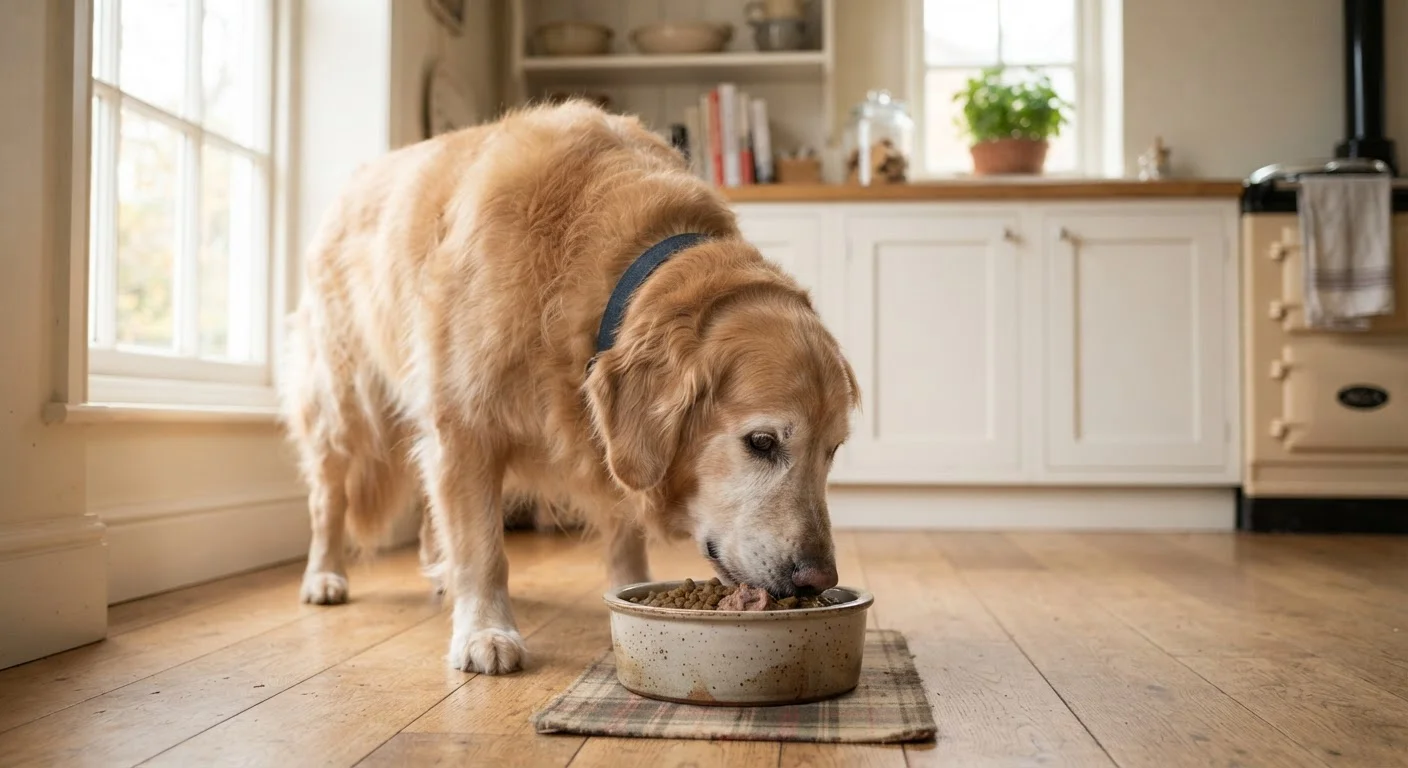
Photo: InDepthReads.com | Streamlining Learning For All editorial
Key Takeaways
- Senior pets generally need fewer calories but higher-quality protein to preserve muscle mass.
- Joint-supporting nutrients like omega-3 fatty acids are especially relevant for aging dogs and cats.
- Kidney function often declines with age, making phosphorus levels an important dietary consideration.
- Work with a veterinarian before switching to a senior formula — not all pets need the same adjustments.
- Gradual food transitions help prevent digestive upset in older, more sensitive pets.
Why Aging Changes Everything About How Pets Process Food
Just as human nutritional needs shift across decades, pets experience meaningful physiological changes as they age. Metabolism slows, lean muscle mass declines, organ function changes, and the digestive system becomes less efficient at absorbing key nutrients. What served your pet well at age three may no longer be appropriate at age ten.
Most veterinarians classify dogs and cats as "senior" starting around age seven, though larger dog breeds often experience earlier onset of age-related changes. These shifts aren't uniform — individual health status, breed, and baseline weight all matter — which is why a veterinary conversation should anchor any dietary decision. For a broader overview of what aging looks like for pets, see our guide to caring for a senior pet.
When Does "Senior" Actually Begin?
Core Nutritional Principles for Senior Pets
Understanding the key macronutrient and micronutrient shifts that matter most for older animals helps owners have better-informed conversations with their vets. The following practices reflect veterinary consensus on senior pet nutrition.
Maintain adequate high-quality protein intake to preserve lean muscle mass.
Reduce overall caloric density to match a slower metabolism.
Monitor phosphorus intake carefully if kidney function is compromised.
Incorporate omega-3 fatty acids to support joint health and inflammation management.
Ensure adequate hydration, especially for senior cats.
Quick Wins You Can Act on Now
Some adjustments don't require waiting for a vet appointment. These steps can be implemented today to support your senior pet's dietary well-being while longer-term decisions are considered.
For a full picture of how feeding habits affect your pet's weight and health trajectory, our article on portion size and feeding frequency is a practical companion read.
Navigating Supplements and Label Claims
The senior pet food market is crowded with products making broad health claims. Ingredients like glucosamine, chondroitin, and omega-3 fatty acids appear frequently on senior formula labels, and some of these do have credible research support — particularly omega-3s for joint and kidney health. However, ingredient quality and concentration vary significantly between products, and a label claim doesn't guarantee therapeutic efficacy.
“Nutrition is one of the most powerful tools we have to influence the trajectory of aging in companion animals. Getting it right requires individualization — there's no single senior formula that fits every patient.”
— Veterinary Nutritionist Consensus, Reflected in guidelines from the American Animal Hospital Association on senior pet care
Before adding any supplement to your pet's routine, discuss it with your veterinarian. Some supplements interact with medications or are contraindicated for pets with specific conditions. For a research-grounded overview, see our article on supplements for pets with evidence behind them.
If a food change is warranted, transition gradually over seven to ten days to avoid digestive upset — a process covered in detail in our guide on transitioning your pet to a new food.
This article is for general informational purposes only and does not constitute veterinary or medical advice. Always consult a licensed veterinarian before making dietary changes for your pet.
The content on this site is for informational purposes only and is not a substitute for professional advice. Always consult a qualified professional for guidance specific to your situation.