
Why Pets Gain Weight So Easily — and How to Assess Body Condition

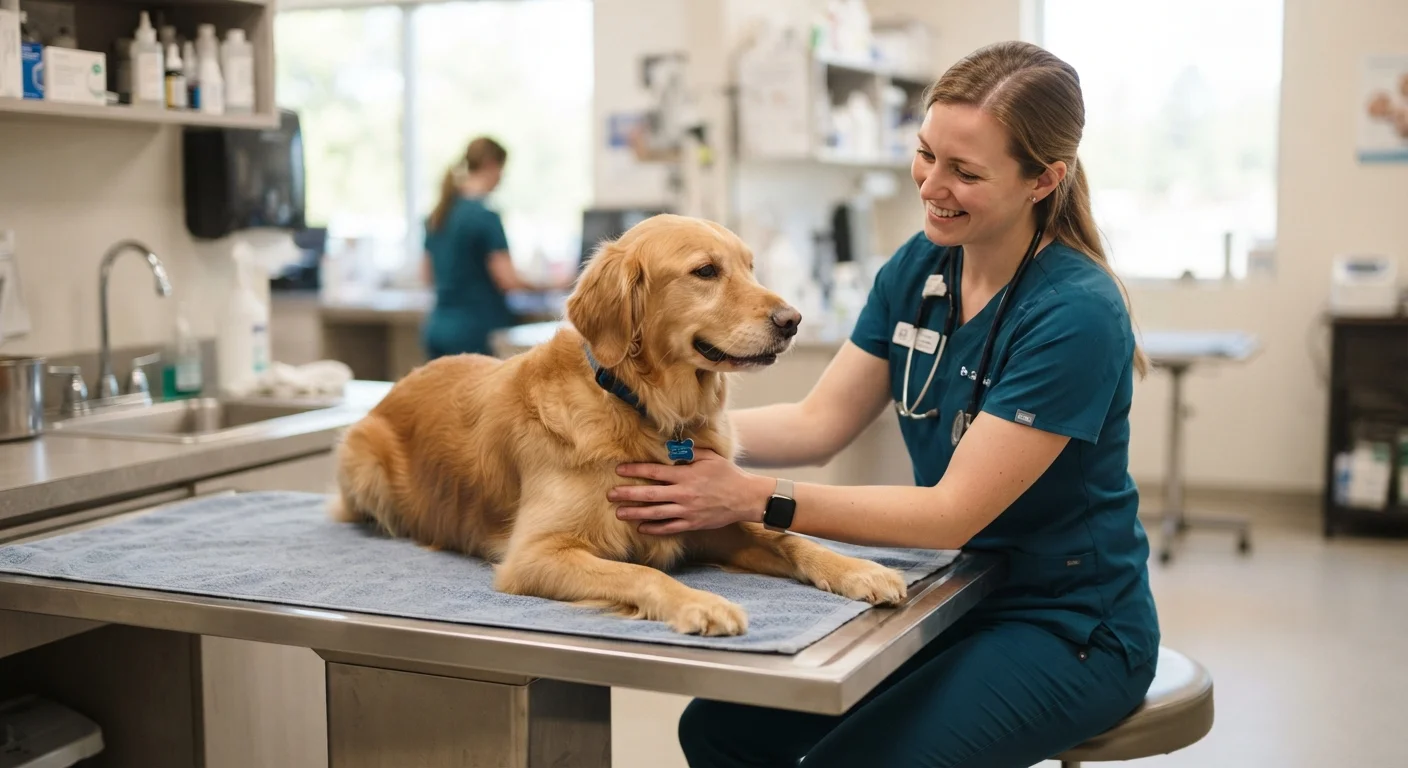
Photo: InDepthReads.com | Streamlining Learning For All editorial
Key Takeaways
- Excess weight is one of the most common and preventable health problems in domestic pets.
- A pet's ideal weight is individual — breed, age, and body frame all matter more than a generic number.
- The rib test is a reliable at-home tool: you should feel ribs easily but not see them.
- Spaying or neutering can reduce caloric needs by up to 30%, requiring a feeding adjustment.
- Gradual weight gain is easy to miss; consistent monthly monitoring at home catches problems early.
- Always work with a veterinarian before starting any weight-loss program for your pet.
Why Pets Gain Weight So Easily
Domestic pets are biologically adapted for environments where food was scarce and energy expenditure was high. Modern life — predictable meal schedules, calorie-dense commercial food, and limited space to roam — fundamentally mismatches that biology. The result is a widespread weight problem: studies suggest more than half of dogs and cats in the United States are overweight or obese.
Several factors accelerate weight gain beyond simple overeating. Metabolic rate naturally slows with age, meaning a senior pet eating the same amount it ate at age two will almost certainly gain weight over time. Hormonal changes following spaying or neutering reduce resting energy requirements significantly — often by 20–30% — yet feeding amounts rarely get adjusted to match. Certain medications, including corticosteroids, can also promote fat storage. And because weight gain in pets is gradual and owners see their animals every day, it's easy to miss until a problem is well established.
Treats are another underappreciated contributor. Many owners don't count treat calories against daily intake, but treats can account for 30% or more of a pet's total caloric consumption in households where snacking is frequent. For more on how everyday feeding habits add up, see feeding mistakes that quietly harm pet health.
The Neutering–Weight Gain Connection
How Vets Assess Body Condition
A Body Condition Score (BCS) gives veterinarians a reproducible, breed-neutral way to evaluate a pet's weight status. The 9-point scale is most common in the U.S.: scores of 1–3 indicate underweight, 4–5 indicate ideal, 6–7 indicate overweight, and 8–9 indicate obese. The assessment combines visual observation with hands-on palpation of specific anatomical landmarks — the ribs, spine, waist, and hip bones.
Body weight alone tells an incomplete story. A 70-pound Labrador and a 70-pound Greyhound are not equally healthy at that weight — frame size and muscle mass are essential context. BCS accounts for this by evaluating fat coverage relative to the individual animal's structure.
59%
U.S. dogs classified as overweight or obese
According to the Association for Pet Obesity Prevention's annual survey, more than half of U.S. dogs fall above their ideal weight range.
61%
U.S. cats classified as overweight or obese
The same Association for Pet Obesity Prevention data shows cats have an even higher overweight rate than dogs in American households.
20–30%
Reduction in caloric needs post-spay/neuter
Veterinary nutritionists broadly estimate that spaying or neutering reduces a pet's resting energy requirement by this range, requiring a feeding adjustment.
Muscle condition scoring is an additional tool some veterinarians use alongside BCS, particularly in senior pets or animals recovering from illness. Muscle loss (sarcopenia) can mask fat gain, making a pet appear leaner than it actually is when weighed on a scale alone. If you notice your pet becoming less active or showing changes in posture, it's worth discussing with your vet — behavior changes can sometimes signal underlying health issues.
What You Can Check at Home
You don't need a veterinary degree to perform a useful assessment between appointments. Three simple observations give a reasonable picture of whether your pet's weight is trending in the right direction.
- Rib palpation: Place your thumbs along your pet's spine and spread your fingers across the ribcage. You should feel individual ribs with gentle pressure, like running fingers over the back of your hand. If you must press firmly to feel them, extra fat padding is present.
- Waist check from above: Looking down at your pet from directly above, there should be a visible narrowing behind the rib cage. A straight or barrel-shaped silhouette suggests excess weight.
- Abdominal tuck from the side: Viewed from the side, the abdomen should rise upward from the chest toward the hind legs. A flat or hanging belly line is a common sign of overweight status.
Performing this assessment once a month — and noting any changes — gives you early warning before weight gain becomes a health problem. If your pet's diet doesn't seem to be supporting a healthy weight, our guide to signs your pet's diet may not be working outlines what else to watch for.
Make Monthly Home Checks a Habit
Once you identify a concern, the next step is structured — how portion size and feeding frequency affect weight is a practical place to start, but always loop in your veterinarian before making significant dietary changes.
This article is for general informational purposes only and is not a substitute for professional veterinary advice. Always consult a licensed veterinarian regarding your pet's specific health needs.
Frequently Asked Questions
The content on this site is for informational purposes only and is not a substitute for professional advice. Always consult a qualified professional for guidance specific to your situation.