
Raw Feeding for Dogs: What Proponents Claim vs. What Research Shows

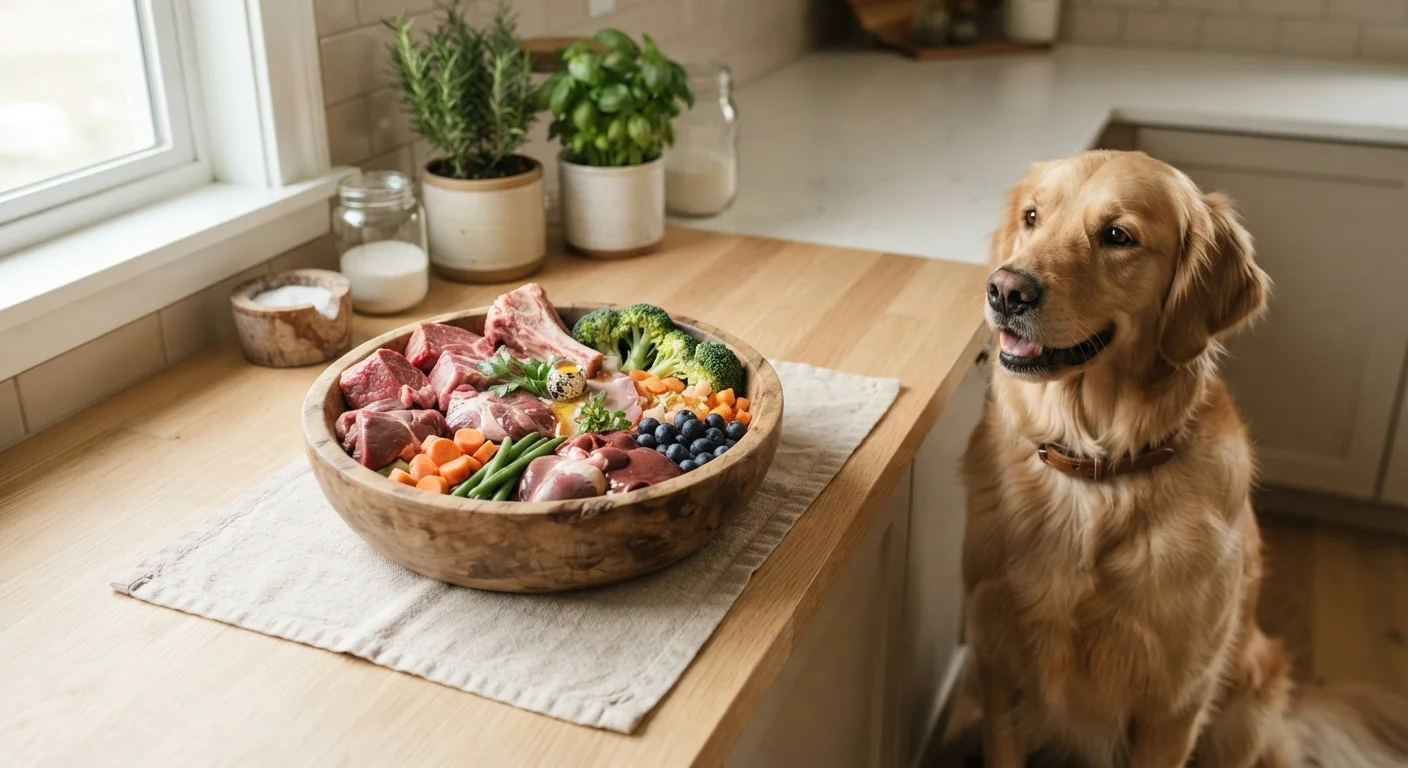
Photo: InDepthReads.com | Streamlining Learning For All editorial
Key Takeaways
- Raw diets carry documented pathogen risks that can affect both dogs and the humans who handle their food.
- Nutritional completeness is a genuine concern — many homemade raw diets are deficient in key minerals and vitamins.
- Some claimed benefits of raw feeding, such as shinier coats and better digestion, lack robust clinical evidence.
- Certain dogs — immunocompromised, puppies, seniors — face higher risks and warrant extra caution.
- A board-certified veterinary nutritionist is the most reliable resource for evaluating a raw diet plan.
What Proponents Claim About Raw Diets
The raw feeding movement — often called BARF (Biologically Appropriate Raw Food) or species-appropriate feeding — rests on the premise that domestic dogs thrive on diets resembling what their wild ancestors ate: uncooked muscle meat, organ meat, raw meaty bones, and sometimes fruit or vegetables. Proponents commonly claim the approach produces shinier coats, cleaner teeth, smaller stools, better energy, reduced allergies, and improved digestion compared to commercial processed foods.
Many owners report positive changes after switching, and those anecdotal accounts fuel considerable enthusiasm in online communities. Advocates also argue that high-heat processing destroys enzymes and nutrients in commercial kibble, making raw food inherently superior. For a broader grounding in canine nutritional concepts before evaluating these claims, see our introduction to pet nutrition basics.
What the Research Actually Shows
The scientific literature on raw feeding is still relatively limited, but what exists does not consistently support the claims above. Controlled clinical trials — the gold standard for evaluating diet effects — are sparse. Most published evidence either identifies risks or finds no measurable advantage over nutritionally complete commercial diets.
| Claim | Raw Diet | Commercial Complete Diet | |
|---|---|---|---|
| Pathogen safety | Higher contamination risk documented | Lower risk; heat processing reduces pathogens | |
| Nutritional completeness | Variable; many homemade versions deficient | Consistent when AAFCO-compliant | |
| Digestibility | Some evidence of higher protein digestibility | Generally high; formulated for absorption | |
| Coat and skin benefits | Anecdotally reported; not clinically proven | Supported by controlled formulations | |
| Convenience and handling | Time-intensive; strict hygiene required | Easy storage and serving | |
| Cost | Often higher than kibble | Wide range; generally lower per serving |
On the question of dental health, some studies suggest chewing raw bones may reduce tartar, but this must be weighed against the well-documented risk of tooth fractures and intestinal perforation from bone fragments. Coat and skin improvements are frequently attributed to higher fat content in raw diets rather than the raw nature of the food itself — a benefit achievable through other dietary means. For a detailed side-by-side look at raw versus commercial kibble outcomes, our evidence-based comparison of raw and kibble diets covers the research in depth.
The Safety and Contamination Concern
This is where the scientific consensus is clearest and the stakes are highest. Multiple peer-reviewed studies — including research published in veterinary journals — have detected Salmonella, Listeria, Campylobacter, and other pathogens in commercially prepared and homemade raw dog foods at rates significantly higher than in processed foods. Dogs can shed these bacteria asymptomatically, posing a transmission risk to household members, particularly children, elderly individuals, and anyone who is immunocompromised.
Higher-Risk Households Should Exercise Extra Caution
The U.S. Food and Drug Administration (FDA) and the American Veterinary Medical Association (AVMA) have both issued policy statements advising against raw protein diets for pets, citing these contamination risks. This does not mean raw feeding is impossible to do carefully, but it does mean the burden of safe handling — dedicated preparation surfaces, rigorous handwashing, careful storage, and regular veterinary monitoring — is substantially higher than with commercial alternatives.
Nutritional Completeness: A Critical Gap
Perhaps the most underappreciated risk of raw feeding is nutritional imbalance. Studies analyzing homemade raw diets — including those based on popular published recipes — have repeatedly found deficiencies in calcium, phosphorus, zinc, vitamin D, and vitamin E, as well as incorrect calcium-to-phosphorus ratios that can impair bone development, particularly in puppies.
Commercial raw diets vary widely in quality and not all carry meaningful nutritional guarantees. Owners who design their own raw meals without professional input are especially vulnerable to these gaps. This concern applies equally to other homemade approaches — our comparison of homemade and commercial pet diets examines the trade-offs in detail. If supplements are being considered to close nutritional gaps, the evidence behind specific options is worth scrutinizing carefully — see which pet supplements have research support.
Work With a Board-Certified Veterinary Nutritionist
Nutritional needs also shift considerably across a dog's life. A raw diet appropriate for an adult dog may not meet the demands of a puppy's rapid growth or a senior dog's altered metabolism. Our guide on feeding dogs through every life stage outlines those changing requirements.
The content on this site is for informational purposes only and is not a substitute for professional advice. Always consult a qualified professional for guidance specific to your situation.