
Stacking Discounts: How Combining Offers Actually Works

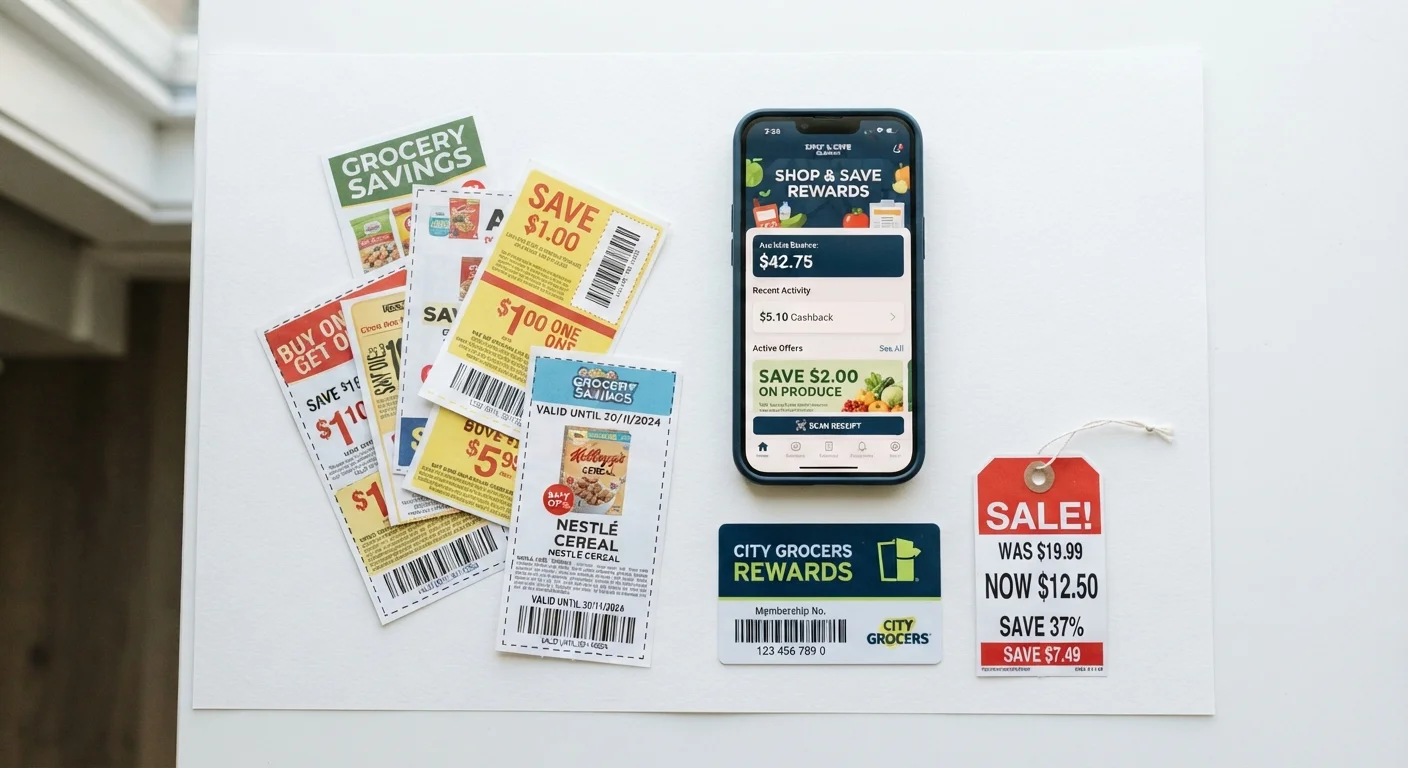
Photo: InDepthReads.com | Streamlining Learning For All editorial
Key Takeaways
- Discount stacking combines multiple offer types, but retailers set their own rules on what can be combined.
- Cashback and coupon codes typically operate at different layers, making them among the most stackable combinations.
- Sale prices are a starting base—coupons applied on top may save less than their face value suggests.
- Terms like 'one offer per transaction' or 'excludes sale items' override any stacking strategy.
- Stacking only delivers real value when you're buying something you already need at a genuinely better price.
Why Stacking Discounts Isn't as Simple as It Sounds
The idea behind stacking discounts is straightforward: apply multiple savings mechanisms to a single purchase to reduce the final price as much as possible. In practice, it works — but only within boundaries that retailers, card issuers, and app developers each define independently.
Every discount type operates in its own "layer." A coupon reduces the listed price. A cashback reward is paid out after the transaction by a third party. A store loyalty point redemption may be applied at checkout before tax. A credit card reward accrues separately based on the amount charged. These layers don't always conflict — but they don't automatically combine either.
Understanding which layer each offer occupies is the foundational skill. Without it, you're guessing. To go deeper on the difference between cashback and coupons specifically, see how cashback apps and digital coupons compare.
The Stackable Sweet Spot
What You'll Need Before You Start
Stacking discounts effectively requires a bit of preparation. Gather these resources before evaluating any purchase:
What you will need
Retailer Coupon/Promo Policy Page
Confirms which offer types can be combined and which are explicitly excluded per the store's own rules.
Cashback App (browser extension or mobile)
Generates a rebate after purchase that layers on top of checkout-applied discounts.
Store Loyalty Account
Tracks points or rewards that may be redeemable alongside coupons, depending on retailer rules.
Rewards Credit Card
Earns points or cashback on the final charged amount, independent of retailer promotions.
How to Stack Discounts Step by Step
Follow these steps in order. Skipping ahead — especially applying a coupon before checking its terms — is where most stacking attempts break down.
Identify the base price and sale status
Start with the item's current listed price and whether it's on sale. A sale price is your new baseline — it's not a bonus. Note whether the sale is site-wide, category-specific, or tied to a membership (like a store card). This determines which coupons are even eligible to apply.
Read the terms of every offer you plan to use
Before activating anything, locate and read the terms for each discount: the coupon, the cashback offer, the loyalty redemption, and any card-level promotion. Look specifically for: exclusions by category or brand, limits per transaction or per customer, minimum purchase requirements, and expiration dates. Don't assume — confirm.
Apply retailer-side discounts first
At checkout, apply offers that reduce the amount the retailer charges you: store coupons, promo codes, loyalty point redemptions, and store credit. These reduce the transaction total — which also affects how much a cashback app or card reward will calculate from.
Activate cashback or rebate offers before completing the purchase
Cashback apps and browser extensions must usually be activated before the transaction completes. If you use a cashback portal, navigate to the retailer through that portal in the same browsing session. These offers operate outside the retailer's system and are not affected by the retailer's coupon stacking rules — but they do calculate based on the final amount charged.
Pay with a rewards card and verify the transaction
Use a rewards credit or debit card as your payment method. Card rewards accrue on the amount charged to the card — after all retailer discounts — and are entirely separate from any cashback app or store promotion. After purchase, review your receipt to confirm each discount was applied correctly before assuming the stack worked.
Spending More to Save More Is a Loss
When Stacking Backfires
Stacking can create a false sense of savings. A common trap: a coupon for 20% off applies to an already-marked-down item, but the retailer's fine print caps the coupon at "original price only" or excludes clearance SKUs. You apply it, the discount is silently zeroed out, and you don't notice until reviewing the receipt.
Another pitfall is minimum purchase thresholds. Spending an extra $15 to unlock a $10 coupon is a net loss — yet it's a structure retailers use deliberately. Stacking ambitions should never drive you to spend more than you intended.
For a fuller picture of costs that quietly cancel out headline savings, read about hidden costs that erase discounts. And if you're newer to this space, common deal-hunting myths covers several beliefs that cost shoppers money despite feeling logical.
Retailer Rules Override Every Strategy
The content on this site is for informational purposes only and is not a substitute for professional advice. Always consult a qualified professional for guidance specific to your situation.