
Assumptions That Hurt Shoppers When Returns Go Wrong

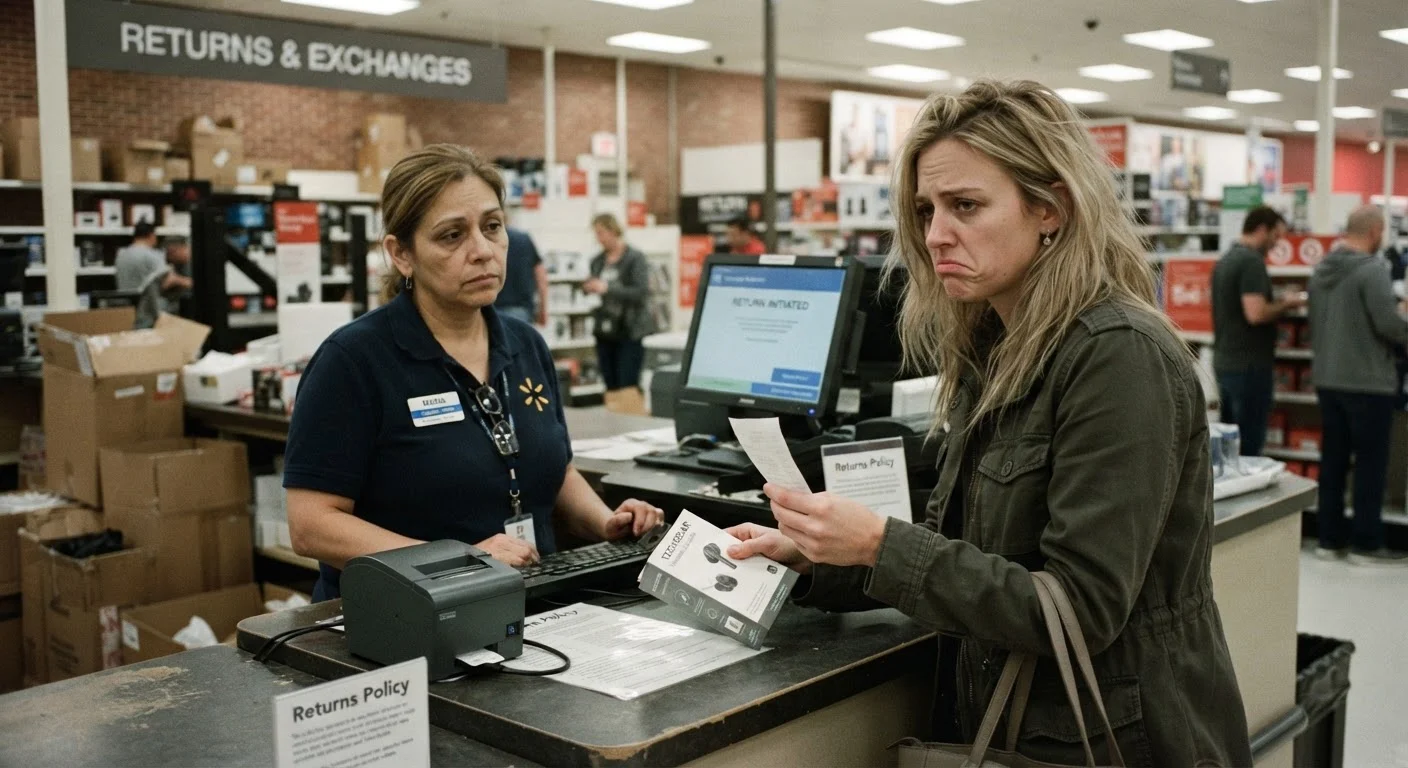
Photo: InDepthReads.com | Streamlining Learning For All editorial
Key Takeaways
- U.S. federal law does not require retailers to accept returns unless goods are defective or misrepresented.
- Return policies vary widely by store, and verbal assurances from staff rarely carry legal weight.
- A receipt helps, but many stores can process returns using order confirmations, card records, or loyalty accounts.
- Credit card chargebacks are a last resort — not a guaranteed fix for every unwanted purchase.
- Restocking fees and shortened return windows on opened electronics are legal and increasingly common.
Why Return Assumptions Are Expensive
Most shoppers assume the return process is simple: bring the item back, get a refund. In practice, that assumption fails often enough to cost American consumers hundreds of millions of dollars a year in forfeited purchases, restocking fees, and expired return windows.
The root problem is a widespread belief that consumer-friendly return policies are legally guaranteed. They are not. Outside of specific circumstances — defective goods, false advertising, certain door-to-door sales — U.S. federal law does not compel retailers to accept returns at all. What you're entitled to is almost entirely determined by the retailer's written policy at the time of purchase. Understanding that gap between assumption and reality is the first step toward protecting yourself. For a broader look at your legal footing after a bad purchase, see your post-purchase consumer rights.
Assuming every retailer must accept returns by law.
Believing a verbal promise from a sales associate overrides the posted policy.
Assuming no receipt means no return.
Treating a chargeback as a reliable fallback for any unwanted purchase.
Ignoring restocking fees and shortened windows for opened electronics or large items.
Assuming "all sales final" signs eliminate every option available to you.
How to Protect Yourself Before and After the Register
Most return problems are preventable. The mistakes below share a common thread: they happen when shoppers skip the policy review step before buying. Committing a few minutes to reading a return policy before you reach the register is consistently the highest-leverage action available.
Return Windows Can Be Shorter Than You Think
When a return does go sideways, documentation matters enormously. Photograph damaged items immediately upon receipt. Keep all packaging until you've confirmed satisfaction. Save every email confirmation, chat transcript, and receipt — digital or physical. If a seller disputes your account, your paper trail determines whether a complaint to your state attorney general's office or a credit card issuer carries any weight. For situations involving items that arrived broken or incorrect, a step-by-step process is covered in our guide to handling a damaged or wrong item delivered to your door.
Finally, note that online and in-store returns often follow different rules and logistics. The channel through which you bought something can change your options significantly — a point examined in detail in our overview of online vs. in-store return rules.
Defective Goods Trigger Different Protections
The content on this site is for informational purposes only and is not a substitute for professional advice. Always consult a qualified professional for guidance specific to your situation.