
Chargebacks Explained: When Disputing a Credit Card Charge Actually Works

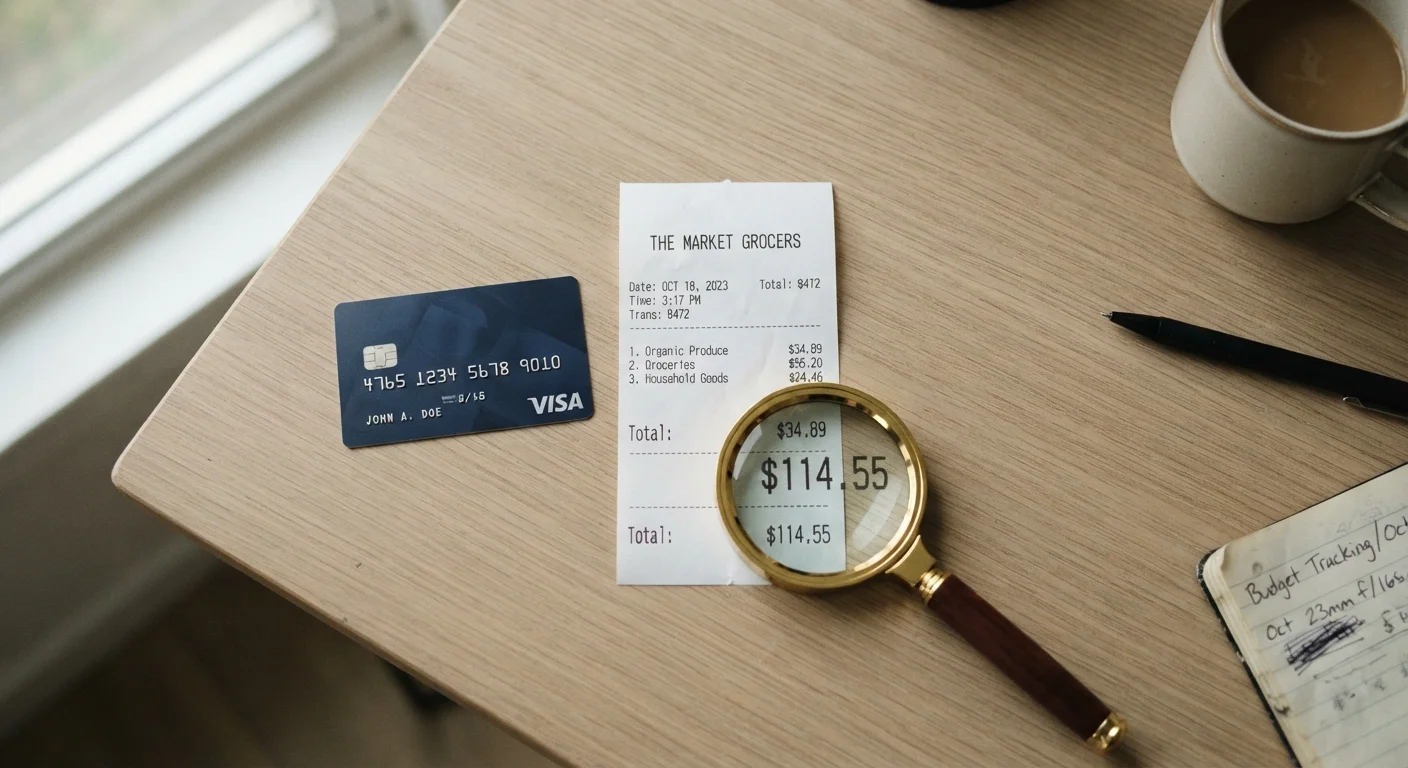
Photo: InDepthReads.com | Streamlining Learning For All editorial
Key Takeaways
- Chargebacks are a legal right under the Fair Credit Billing Act, not a courtesy offered by your bank.
- Valid dispute reasons are specific: unauthorized charges, non-delivery, significantly not-as-described, and billing errors.
- You generally must contact the merchant first before your card issuer will proceed with a dispute.
- Documentation — receipts, emails, screenshots — significantly strengthens your case.
- Abusing chargebacks for buyer's remorse can result in account restrictions or termination.
- Debit card disputes follow different rules and offer weaker protections than credit cards.
What a Chargeback Actually Is
A chargeback is not the same as a refund. When you request a refund, you are asking the merchant to return your money voluntarily. When you file a chargeback, you are asking your card issuer to forcibly reverse the transaction — removing funds from the merchant and returning them to you. The issuer acts as an intermediary arbiter.
This right exists primarily under the Fair Credit Billing Act (FCBA), a federal law that covers credit cards. It is separate from any return policy a retailer chooses to offer. As part of a broader picture of consumer protections, the FCBA is one of several federal and state-level tools available — see your full rights after a purchase goes wrong for a broader overview.
Importantly, the FCBA applies to credit cards. Debit card transactions fall under the Electronic Fund Transfer Act, which has different — and generally weaker — protections. That distinction matters when you're choosing which card to use for higher-risk purchases.
When a Chargeback Is and Isn't Valid
Card networks and the FCBA recognize a defined set of dispute reasons. Filing outside these categories is likely to fail — and repeated misuse can lead to account restrictions.
- Unauthorized transaction: Your card was used without your permission — fraud, theft, or account compromise.
- Non-delivery: You paid for goods or services that were never delivered or provided.
- Significantly not as described: What arrived was materially different from what was advertised — wrong item, counterfeit, or substantially damaged.
- Billing error: You were charged the wrong amount, charged twice, or billed after canceling a subscription per its terms.
What does not qualify: changing your mind about a purchase, dissatisfaction with a product that performs as described, or disputes about a merchant's legal return policy. These are grievances, but they are not chargeback grounds. Misunderstanding this boundary is one of the common assumptions that hurt shoppers when returns go wrong.
60 days
FCBA window to dispute a billing error
Under the Fair Credit Billing Act, consumers must submit a written dispute within 60 days of the statement date on which the charge appeared.
$50
Maximum liability for unauthorized credit card charges
The Fair Credit Billing Act caps a cardholder's liability for unauthorized charges at $50; most major issuers voluntarily offer $0 liability as an additional protection.
30–90 days
Typical chargeback investigation timeline
Card network rules require issuers to resolve most disputes within this window, though complex cases involving multiple rounds of evidence can extend the process.
The Dispute Process Step by Step
Filing a chargeback without following the correct sequence can undermine an otherwise valid claim.
- Contact the merchant first. The FCBA requires a good-faith attempt to resolve the issue with the seller before escalating. Document this contact — date, channel, and the response you received (or didn't).
- Gather your evidence. Order confirmations, receipts, tracking information, photographs, and written communication all support your case. The merchant will have the opportunity to submit counter-evidence.
- Notify your card issuer in writing. While many issuers accept disputes by phone or app, sending written notice (even a follow-up email) creates a verifiable record. Include the transaction date, amount, and a clear statement of the reason.
- Respond promptly to issuer requests. Your issuer may ask for additional documentation. Missing these deadlines can result in the dispute being closed against you.
Keep Every Communication in Writing
If your dispute succeeds, you will receive a provisional credit while the investigation is ongoing, which may become permanent. If it fails, that credit is reversed. The entire process can take 30 to 90 days depending on complexity and the merchant's response.
For situations where a merchant flatly refuses to engage, chargebacks are one of several escalation paths. See the full escalation sequence when a seller refuses a refund for additional options including state attorney general complaints.
What Strengthens — or Sinks — Your Case
Issuers make decisions based on evidence. A bare assertion that you didn't receive something, without any supporting documentation, is easier for a merchant to rebut than a claim backed by delivery records, screenshots, and written correspondence.
On the other side, disputes are regularly lost when the cardholder cannot show they attempted to resolve the issue with the merchant, when the product was received and used before the dispute was filed, or when the complaint is about a cosmetic preference rather than a substantive failure. A claim that a hotel room was unpleasant, for instance, is far weaker than a claim that the room you booked was never made available.
It is also worth understanding that chargebacks carry real consequences for merchants — fees, penalties, and potential loss of card-acceptance privileges. This is why the mechanism is meant for genuine consumer protection, not as a shortcut around return policies. Misuse, sometimes called "friendly fraud," is taken seriously by issuers and card networks alike.
This article provides general financial information for educational purposes and is not legal or financial advice. For questions about your specific situation, consult a qualified financial or legal professional.
Frequently Asked Questions
The content on this site is for informational purposes only and is not a substitute for professional advice. Always consult a qualified professional for guidance specific to your situation.