
Flexible, Strong, or Both? How Mobility and Strength Training Relate

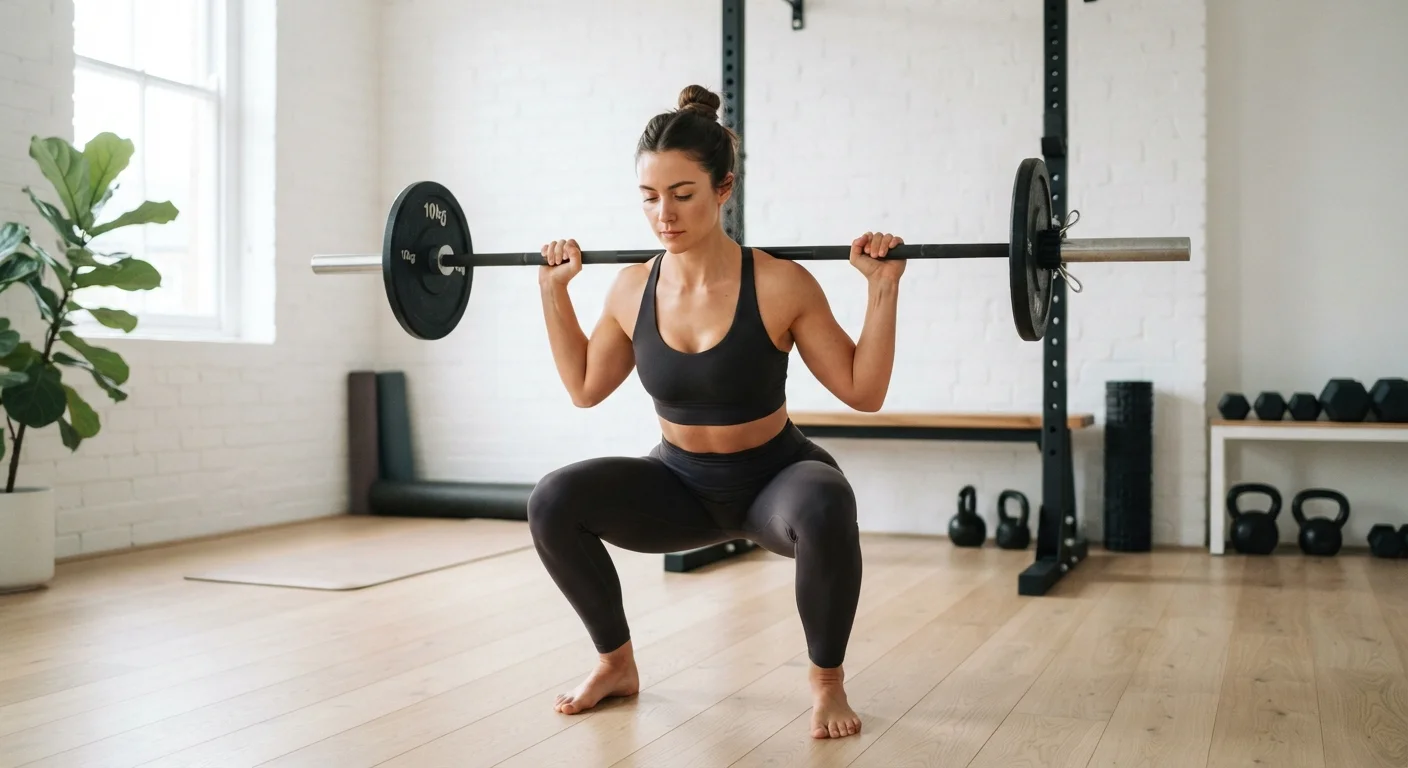
Photo: InDepthReads.com | Streamlining Learning For All editorial
Key Takeaways
- Mobility and strength training are complementary, not competing, fitness goals.
- Strength training through a full range of motion builds both muscle and joint flexibility simultaneously.
- Neither approach alone is sufficient for long-term physical health and injury prevention.
- Most everyday Americans can combine both in a realistic, time-efficient weekly routine.
- Consult a qualified fitness or healthcare professional before starting a new training program.
Why These Two Goals Are Often Pitted Against Each Other
Walk into most gyms and you'll see two distinct camps: people lifting weights and people stretching on mats. Fitness culture has long treated mobility and strength as separate disciplines with separate tools, separate classes, and even separate identities. That framing, while convenient for marketing, doesn't reflect how the body actually works.
Mobility refers to a joint's ability to move actively through its full range of motion — it combines flexibility (the passive lengthening of tissue) with the muscular control to use that range purposefully. Strength training develops the capacity of muscles to generate force. In practice, these qualities are deeply intertwined: a muscle that can't move through its full range can't be fully trained, and a joint with poor muscular support around it is an injury risk regardless of how often it's stretched.
For everyday Americans juggling work, family, and limited gym time, the real question isn't which to choose — it's how to think about both in a way that's practical and sustainable. See also: home vs. gym training trade-offs for context on where you train.
What Each Approach Actually Delivers
| Mobility Training | Strength Training | Integrated Approach | |
|---|---|---|---|
| Primary benefit | Improved joint range of motion | Increased muscular force production | Strength with usable range of motion |
| Injury prevention | Reduces stiffness-related risk | Builds joint-stabilizing muscle | Addresses both tissue and control |
| Time investment | Low to moderate per session | Moderate to high per session | Moderate — both within one session |
| Equipment needed | Minimal or none | Varies — bodyweight to weighted | Varies — minimal viable |
| Learning curve | Low for basic stretching | Moderate — technique matters | Moderate — requires coaching cues |
| Long-term sustainability | High if enjoyable | High if progressed well | High — variety maintains engagement |
Mobility training — through practices like yoga, dynamic stretching, or targeted joint exercises — improves how freely a joint moves, reduces day-to-day stiffness, and supports better posture. Research suggests it may also reduce injury risk, particularly for sedentary adults who spend long hours sitting. However, improved range of motion doesn't automatically translate into the ability to control that range under load.
Strength training, when performed through a full range of motion, does more than build muscle. A well-executed deep squat, for example, simultaneously loads the quadriceps and glutes while requiring adequate hip and ankle mobility to reach the bottom position. In this sense, controlled strength work is a form of active mobility training. Strength training without a gym membership is one practical way to explore this at home with minimal equipment.
The Overlap: Where They Work Together
Train Strength in Lengthened Positions
The concept of strength through length is increasingly recognized in sports medicine and physical therapy: building muscle at end ranges of motion — the positions where you feel the most stretch — may produce superior joint stability compared to isolated stretching alone. Exercises like Romanian deadlifts, deep goblet squats, and overhead pressing all train muscles in lengthened positions, simultaneously developing strength and usable range of motion.
This means that for most people, a thoughtful strength training program already includes significant mobility work — provided the movements are performed with proper technique and through a genuine range of motion rather than abbreviated, load-heavy reps. If your current routine involves heavy weights but very short movement arcs, you may be leaving mobility benefits on the table.
Cardio training can also be combined intelligently with both goals — see HIIT vs. steady-state cardio for how different cardio approaches fit into a broader fitness plan.
How to Structure a Realistic Routine That Covers Both
60%
Adults not meeting strength training guidelines
CDC national physical activity data consistently show a majority of U.S. adults do not perform muscle-strengthening activities at least twice weekly as recommended.
2x/week
Minimum recommended strength sessions
Current U.S. Physical Activity Guidelines for Americans recommend muscle-strengthening activity on at least two days per week for general health benefits.
For most busy adults, the most time-efficient approach is to integrate mobility work into strength sessions rather than treating them as entirely separate training blocks. Practical strategies include:
- Dynamic warm-ups before strength sessions — leg swings, hip circles, thoracic rotations — prime joints for the movements ahead and improve functional range in the process.
- Full range-of-motion strength exercises as the workout core, chosen to match your mobility goals (e.g., split squats for hip flexor mobility, pull-throughs for hip hinge range).
- Post-session cool-down stretching targeting the muscles worked, held for 30–60 seconds per position — a period when tissue is warm and more receptive.
- Dedicated mobility sessions (10–20 minutes, 1–2 times per week) for persistent restrictions that aren't resolving through strength work alone.
This framework doesn't require extra gym days or elaborate programming. It requires intentionality about how you move — not just how much you lift.
This article is for general informational and educational purposes only and is not a substitute for professional medical or fitness advice. Consult a qualified healthcare provider or certified fitness professional before beginning any new exercise program, especially if you have existing injuries, chronic conditions, or physical limitations.
The content on this site is for informational purposes only and is not a substitute for professional advice. Always consult a qualified professional for guidance specific to your situation.