
Buying New Construction vs. an Existing Home

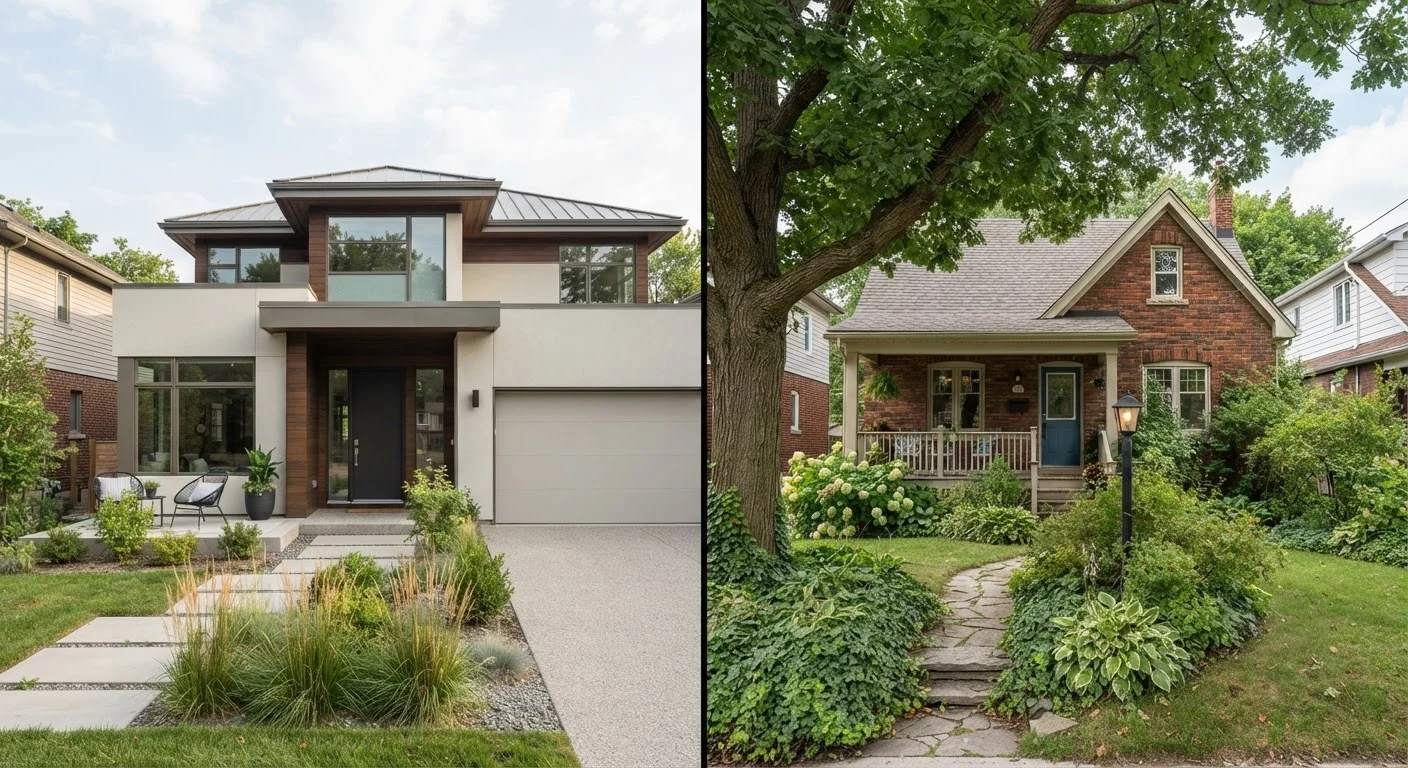
Photo: InDepthReads.com | Streamlining Learning For All editorial
Key Takeaways
- New construction typically costs more upfront but comes with warranties and modern systems.
- Existing homes offer established neighborhoods, mature landscaping, and faster move-in timelines.
- Builder incentives on new homes can offset costs but may carry strings — read contracts carefully.
- Resale homes often require more immediate maintenance and inspection diligence.
- Your timeline, budget flexibility, and tolerance for uncertainty should drive the decision.
Builder warranties cover major systems and structure
Most new homes come with tiered warranties — often one year for workmanship, two years for mechanical systems, and up to ten years for structural defects — reducing early repair exposure.
Modern energy efficiency standards
Newer homes are built to current energy codes, meaning better insulation, higher-efficiency HVAC systems, and windows that can meaningfully reduce monthly utility costs compared to older housing stock.
Customization options during build phase
Buyers who purchase early in the construction process can often choose floor plans, finishes, fixtures, and upgrades — a level of personalization that resale homes rarely offer.
No inherited deferred maintenance
Everything is new at closing: roof, water heater, appliances, plumbing, and electrical. Buyers are not absorbing costs from a previous owner's neglect or aging systems.
Easier financing process in some cases
Some builders offer financing incentives — rate buydowns or closing cost credits — through their preferred lenders, which can reduce upfront costs, though buyers should still compare rates independently.
Higher purchase price than comparable resale homes
New construction typically commands a price premium over existing homes of similar size. Upgrades, lot premiums, and HOA fees in new developments can widen that gap further.
Construction timelines are uncertain and can slip
Supply chain disruptions, labor shortages, and weather delays can push closing dates back weeks or months, which complicates lease endings, storage, and financing lock-in periods.
Builder contracts heavily favor the builder
New construction purchase agreements are drafted by the builder's legal team and typically include limited contingencies, change-order fees, and clauses that restrict buyer recourse if timelines shift.
Unestablished neighborhood and community
New developments may lack mature landscaping, nearby amenities, or a defined community character for several years while surrounding lots are still under construction.
Resale homes offer more location flexibility
New construction tends to be concentrated at the suburban fringe where land is available; buyers who need a specific established neighborhood, school district, or urban location often have no new-build option.
Inspection and due diligence still essential
New builds are not immune to construction defects. Independent inspections — including pre-drywall walk-throughs when possible — remain important even when everything looks pristine.
The Core Trade-Off
Choosing between a newly built home and an existing one is rarely just about aesthetics. The decision touches on price, timing, risk tolerance, and what you're willing to manage after closing. Both paths are legitimate — understanding their structural differences helps buyers avoid surprises.
If you're still weighing whether to buy at all, the trade-offs between renting and buying are worth reviewing first. Once you're committed to purchasing, the new-versus-existing question becomes one of the most consequential choices in the process.
Builder warranties cover major systems and structure
Most new homes come with tiered warranties — often one year for workmanship, two years for mechanical systems, and up to ten years for structural defects — reducing early repair exposure.
Modern energy efficiency standards
Newer homes are built to current energy codes, meaning better insulation, higher-efficiency HVAC systems, and windows that can meaningfully reduce monthly utility costs compared to older housing stock.
Customization options during build phase
Buyers who purchase early in the construction process can often choose floor plans, finishes, fixtures, and upgrades — a level of personalization that resale homes rarely offer.
No inherited deferred maintenance
Everything is new at closing: roof, water heater, appliances, plumbing, and electrical. Buyers are not absorbing costs from a previous owner's neglect or aging systems.
Easier financing process in some cases
Some builders offer financing incentives — rate buydowns or closing cost credits — through their preferred lenders, which can reduce upfront costs, though buyers should still compare rates independently.
Where New Construction Has the Edge
New builds come with meaningful practical advantages, particularly around the condition of the home's major systems. Buyers aren't inheriting someone else's aging HVAC unit, old wiring, or deferred maintenance. Builder warranties — typically covering workmanship, systems, and structural components for varying durations — provide a buffer against early repair costs.
Customization is another draw. Depending on the build stage, buyers may be able to select floor plans, finishes, appliances, and layout modifications that an existing home simply can't offer. Energy efficiency is also generally higher in newer construction due to updated insulation standards, windows, and mechanical systems.
~$400K+
Median new construction home price
According to U.S. Census Bureau data, the median sale price of new single-family homes has consistently run above the median resale price, often by a significant margin.
6–18 months
Typical new build timeline from contract to close
Industry estimates place the average time to build a new single-family home at roughly seven to twelve months, though permitting, weather, and supply issues can extend this range considerably.
Where Existing Homes Have the Advantage
Resale homes carry their own distinct strengths. Location is the most persistent one — established neighborhoods with mature trees, walkable infrastructure, and known school performance often aren't available in new-development areas at the suburban fringe. With an existing home, what you see is largely what you get: the neighborhood's character, proximity to amenities, and lot quality are already established.
Existing homes also typically close faster. There's no waiting on construction timelines that can slip due to supply chain delays or labor shortages. Negotiation leverage is often greater too — motivated sellers may accept repairs, closing cost contributions, or price reductions that builders rarely offer.
Higher purchase price than comparable resale homes
New construction typically commands a price premium over existing homes of similar size. Upgrades, lot premiums, and HOA fees in new developments can widen that gap further.
Construction timelines are uncertain and can slip
Supply chain disruptions, labor shortages, and weather delays can push closing dates back weeks or months, which complicates lease endings, storage, and financing lock-in periods.
Builder contracts heavily favor the builder
New construction purchase agreements are drafted by the builder's legal team and typically include limited contingencies, change-order fees, and clauses that restrict buyer recourse if timelines shift.
Unestablished neighborhood and community
New developments may lack mature landscaping, nearby amenities, or a defined community character for several years while surrounding lots are still under construction.
Resale homes offer more location flexibility
New construction tends to be concentrated at the suburban fringe where land is available; buyers who need a specific established neighborhood, school district, or urban location often have no new-build option.
Inspection and due diligence still essential
New builds are not immune to construction defects. Independent inspections — including pre-drywall walk-throughs when possible — remain important even when everything looks pristine.
Hidden Costs and Risk Factors on Both Sides
New construction pricing can be deceptive. Base prices often exclude upgrades, lot premiums, and landscaping. Some builders require buyers to use their affiliated lender or title company, which may limit rate shopping. Builder contracts are drafted to protect the builder's interests — an independent real estate attorney review is worthwhile before signing.
Existing homes carry their own financial risk, primarily around condition. A thorough inspection is essential and should go beyond a general walkthrough — radon, sewer scope, roof condition, and foundation assessments each address specific risk areas. Deferred maintenance can translate into thousands of dollars in repairs within the first few years of ownership. See our guide on what new homeowners often discover too late for a realistic picture of early ownership costs.
Builder Incentives: Read the Fine Print
Making the Decision for Your Situation
A few practical questions help clarify the choice. How flexible is your move-in timeline? New construction can take six months to over a year from contract to closing, and delays are common. How much capital do you have for potential repairs? If your reserves are thin, a new build's warranty coverage may reduce near-term financial risk. Is location a non-negotiable? If a specific school district or walkable urban neighborhood is essential, existing inventory in that area may be your only realistic option.
Budget discipline matters in both cases. Understanding how a mortgage fits into your broader financial picture — including building a workable budget and managing reserves for maintenance — is as important as choosing the right home type. The same analytical framework that applies to buying new versus used in other major purchases applies here: newer typically means lower immediate maintenance risk at a higher price, while used offers more value but more uncertainty about condition.
This article provides general educational information about homebuying decisions and is not financial, legal, or real estate advice. Consult a licensed real estate professional, attorney, or financial adviser for guidance specific to your circumstances.
The content on this site is for informational purposes only and is not a substitute for professional advice. Always consult a qualified professional for guidance specific to your situation.