
Socializing a Puppy: The Window That Matters Most

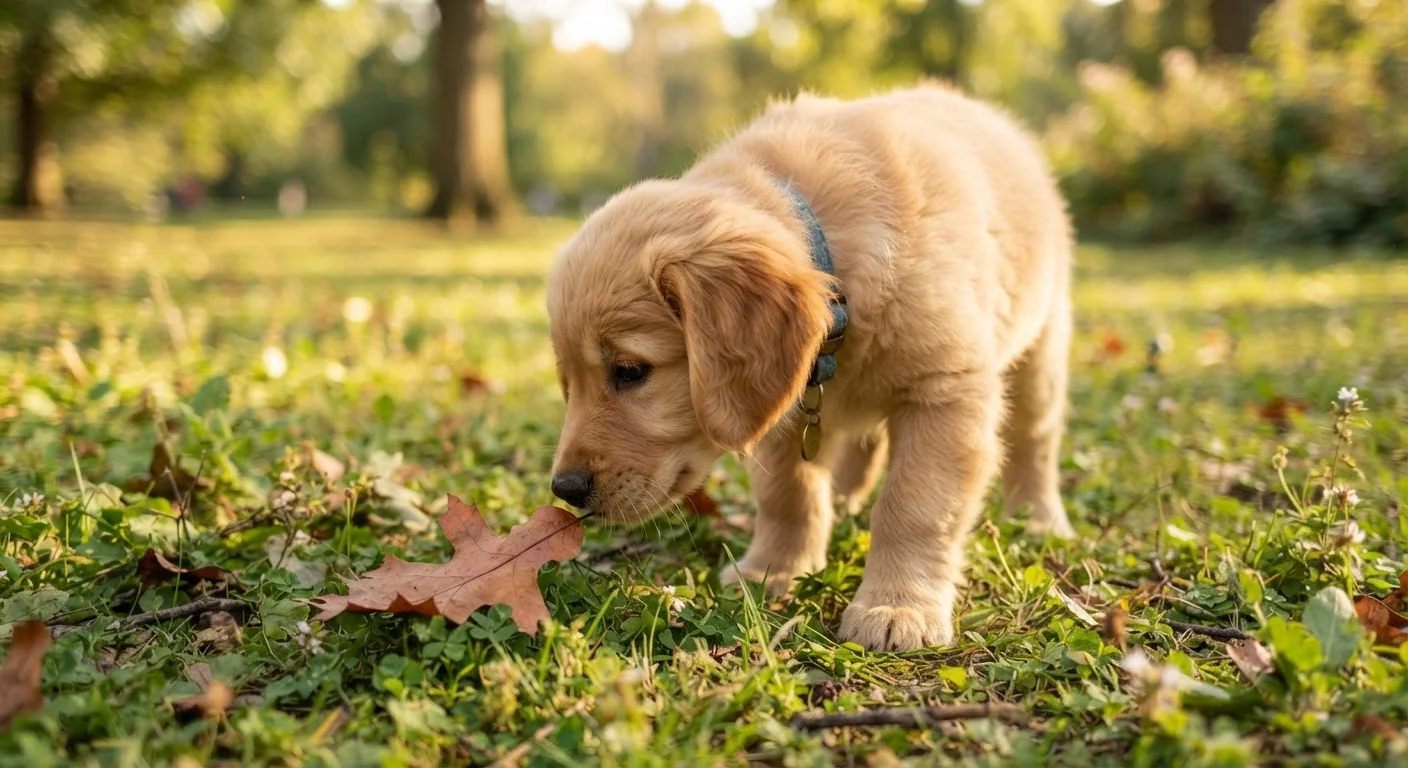
Photo: InDepthReads.com | Streamlining Learning For All editorial
Key Takeaways
- The primary socialization window for puppies runs roughly from 3 to 12–14 weeks of age.
- Positive, varied experiences during this period help prevent fear and aggression later in life.
- Socialization must be gentle and controlled — overwhelming a puppy can cause lasting harm.
- Incomplete vaccination status requires extra precaution, but socialization should not be postponed.
- Consistency and calm exposure are more important than quantity of new encounters.
Why the Socialization Window Is So Consequential
Behavioral scientists and veterinary professionals broadly agree that the period between approximately 3 and 12–14 weeks of age is the most neurologically sensitive phase of a dog's life. During this window, a puppy's brain is primed to form lasting associations with the world around it — people, animals, sounds, surfaces, and environments. Experiences encountered during this stage are disproportionately influential compared to exposures that happen later.
Research in canine behavioral development, including foundational work from Scott and Fuller's studies at the Jackson Laboratory beginning in the 1950s, established that puppies exposed to a wide variety of stimuli during this phase tend to grow into calmer, more adaptable adult dogs. Conversely, puppies raised in under-stimulating environments during this window are more likely to exhibit fear, anxiety, and reactive behaviors — even when given enrichment later in life.
Understanding why this window exists helps you act on it intentionally. To learn more about the science underpinning how dogs form associations, see The Science Behind How Dogs Actually Learn.
Quality of Experience Beats Quantity
What to Prioritize During Socialization
Effective socialization isn't about exposing your puppy to as many things as possible as fast as possible. It's about curated, positive encounters across key categories:
- People: Individuals of different ages, sizes, and appearances — including people wearing hats, uniforms, or using mobility aids.
- Other animals: Healthy, vaccinated, calm dogs are ideal. Avoid dog parks or unvetted environments during incomplete vaccination.
- Sounds: Traffic, appliances, thunderstorms, children, and crowds — ideally introduced at low volume first.
- Surfaces and environments: Grass, tile, gravel, stairs, and varied terrain build physical confidence.
- Handling: Gentle ear, paw, and mouth examination prepares puppies for grooming and veterinary care.
Each encounter should end on a positive note. Use calm praise and small, high-value food rewards to reinforce curious, relaxed behavior. This aligns with the reward-based principles covered in Consistency, Timing, and Clarity: The Pillars of Effective Pet Training.
What you will need
Balancing Socialization With Vaccination Safety
One of the most common sources of confusion for new puppy owners is the tension between the socialization window and incomplete vaccination. Puppies typically don't complete their core vaccine series until around 16 weeks — after the socialization window has already begun to close.
Veterinary organizations, including the American Veterinary Society of Animal Behavior, have issued guidance stating that the risk of behavioral problems from under-socialization can outweigh the risk of disease when socialization is managed carefully. This means:
- Avoid public areas with unknown dog traffic (dog parks, pet store floors) until vaccination is complete.
- Arrange playdates with verified, vaccinated, healthy dogs in private settings.
- Carry your puppy in high-traffic areas to allow sensory exposure without ground contact.
- Enroll in puppy socialization classes that require proof of vaccination for all attendees.
Don't Wait on Socialization — But Be Smart About It
For a broader look at what the first weeks home should include, see Your New Pet's First 30 Days: A Vet-Informed Preparation Guide.
Step-by-Step: Building a Socialization Routine
The steps below offer a structured approach you can begin as soon as your puppy arrives home. Move at your puppy's pace — a slightly slower timeline done well is far better than rushed exposure that creates negative associations.
Assess your puppy's current comfort baseline
Before introducing new stimuli, observe your puppy in a calm home environment. Note what already triggers hesitation or startle responses — even household sounds. This baseline tells you how gradually to proceed and which areas need the most gentle attention.
Start socialization within the home
Introduce novel sounds, textures, and objects inside the safety of your home first. Run the vacuum cleaner at a distance, offer different surfaces to walk on, and invite family members to handle the puppy gently. Pair each new experience with a small reward.
Arrange controlled meetings with calm, vaccinated dogs
Contact friends, family, or neighbors with known, healthy, vaccinated adult dogs. A single calm role model can teach a puppy more about appropriate dog interaction than a dozen chaotic encounters. Keep early meetings brief and allow the puppy to disengage if it chooses.
Expand exposure to people and public environments
Begin short outings to quiet outdoor locations — a calm sidewalk, a friend's yard, or a pet-friendly patio area. Introduce your puppy to people of varied appearances. Ask visitors to crouch down, avoid direct eye contact initially, and let the puppy approach on its own terms. Reward confident, curious behavior generously.
Enroll in a structured puppy socialization class
Look for classes run by certified trainers that require vaccination records from all attending puppies. These environments offer supervised off-leash play, trainer guidance, and exposure to multiple dogs and people in a controlled setting — one of the most efficient socialization tools available.
Continue low-level socialization beyond 14 weeks
While the primary window closes around 12–14 weeks, ongoing positive exposure throughout adolescence (up to 18–24 months) reinforces the foundation laid earlier. Regular, varied, pleasant experiences help prevent regression and maintain the social confidence you've built.
For additional context on building early habits alongside socialization, Your First Month With a New Dog: Building Good Habits From Day One offers a complementary roadmap. You may also find Crate Training Demystified useful for creating a safe home base your puppy can decompress in between socialization sessions.
This article is for general informational and educational purposes only. For guidance specific to your puppy's health and vaccination schedule, consult a licensed veterinarian.
The content on this site is for informational purposes only and is not a substitute for professional advice. Always consult a qualified professional for guidance specific to your situation.