
Your First Month With a New Dog: Building Good Habits From Day One

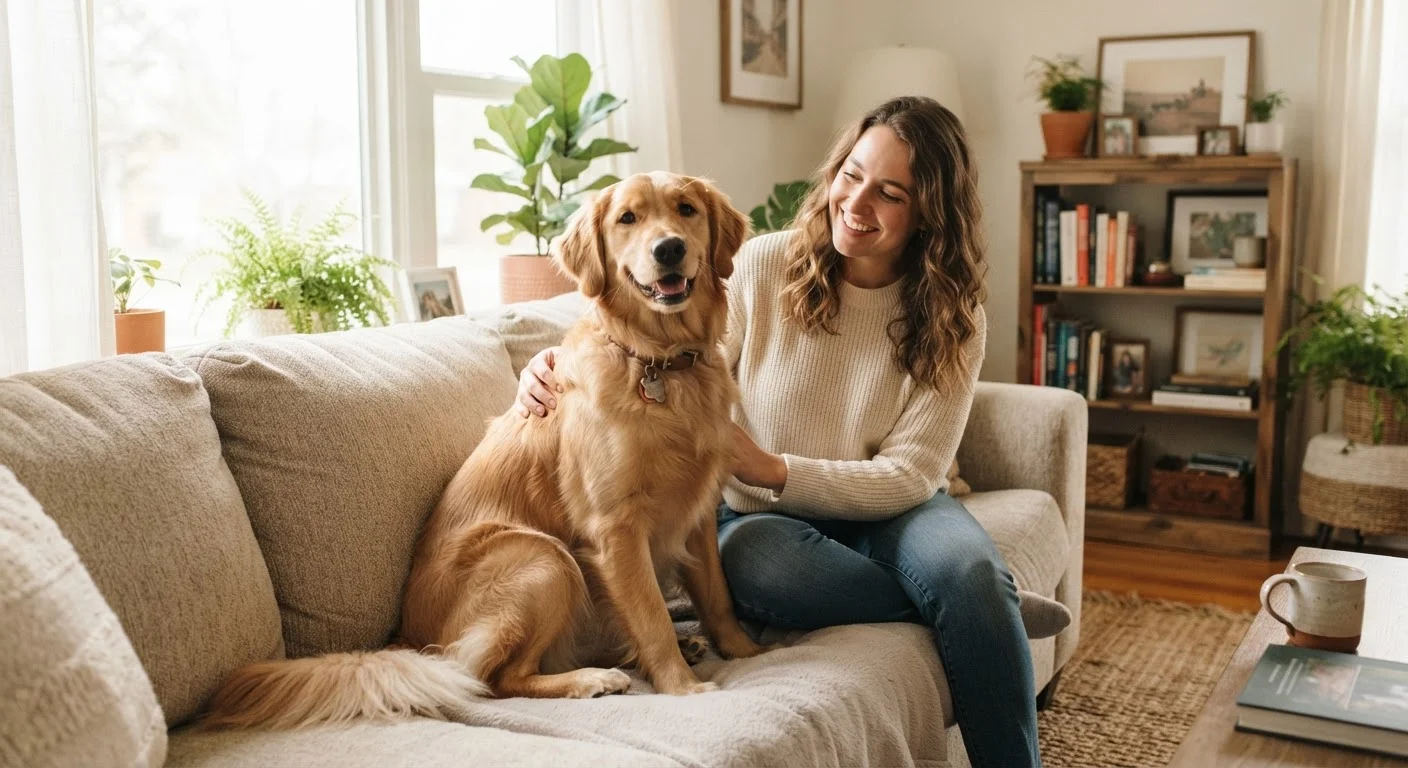
Photo: InDepthReads.com | Streamlining Learning For All editorial
Key Takeaways
- The first 48 hours should focus on calm introductions, not stimulation or excitement.
- Consistent daily routines reduce anxiety and accelerate learning in new dogs.
- Positive reinforcement is the most well-supported training approach for building reliable behaviors.
- Socialization is time-sensitive, especially for puppies under 16 weeks old.
- Behavioral quirks in the first month are often temporary stress responses, not permanent traits.
- A vet visit in the first week is a critical step every new dog owner should schedule.
The First 48 Hours: Setting the Stage
Bringing a dog home is exciting — but for the dog, it can be deeply disorienting. The most helpful thing you can do in the first two days is slow everything down. Resist the urge to introduce your new dog to every family member, neighbor, and visitor at once. Instead, let the dog explore one or two rooms quietly, on its own terms.
Set up a dedicated resting space — a crate or a quiet corner with a comfortable bed — before the dog arrives. This becomes a predictable retreat when the world feels overwhelming. Keep noise levels low, limit handling, and allow the dog to approach you rather than pursuing constant interaction.
Before or immediately after arrival, schedule a vet appointment if one isn't already booked. See our vet-informed first 30 days guide for a full checklist of what to prepare before and after bringing a new dog home.
The 3-3-3 Rule Is a Rough Guide
Building a Predictable Daily Routine
Dogs are creatures of habit, and routine is one of the most powerful tools available to new owners. A consistent schedule for feeding, bathroom breaks, walks, play, and sleep gives your dog reliable anchors throughout the day — reducing anxiety and making expectations clear.
A basic daily structure might look like this:
- Morning: Outdoor bathroom break immediately after waking, then breakfast at a fixed time
- Midday: Another bathroom break, short exercise or enrichment
- Evening: Main walk, dinner, calm wind-down before bed
Consistent mealtimes also matter nutritionally. Understanding what and how much to feed is equally important — our guide on pet nutrition basics covers macronutrients, label reading, and portioning for new owners.
Use a Feeding Schedule, Not Free Feeding
Starting Basic Commands the Right Way
Early training is not about obedience for its own sake — it's about establishing a communication system between you and your dog. The behavioral science is consistent: positive reinforcement (rewarding desired behaviors with treats, praise, or play) produces more reliable, lasting results than punishment-based methods and strengthens the owner-dog bond.
Start with high-value behaviors that have immediate safety and life-quality benefits:
- Name recognition: Say the dog's name once, reward any eye contact or orientation toward you.
- Sit: Lure with a treat held above the nose, moving backward until the dog's hindquarters lower.
- Come: Begin in a small space, call the name and cue enthusiastically, reward generously on arrival.
Keep training sessions under five minutes and end on a success. Dogs learn faster through repetition across multiple short sessions than through marathon drilling. If your dog came from a shelter, be aware that past experiences may shape how it responds to training cues — training a rescue dog requires a different approach.
Socialization and Safe Exposure
Socialization — exposing your dog to a wide variety of people, animals, sounds, and environments in a positive way — is one of the highest-leverage investments you can make during the first month. For puppies, the developmental window for socialization closes around 12 to 16 weeks of age, making early exposure especially critical.
The goal is quality over quantity: positive, low-pressure encounters that the dog can opt into, rather than flooding it with stimulation. Introduce new experiences gradually, watch for stress signals (lip licking, yawning, tucked tail, stiffening), and retreat if the dog appears overwhelmed.
Learn more about the puppy socialization window — including which experiences to prioritize and how to move at the right pace — in our dedicated guide.
Avoid Overwhelming Your Dog Early On
What to Expect: Common Adjustment Behaviors
Many new owners are surprised — or alarmed — by behaviors that appear in the first few weeks and then gradually fade. Understanding which behaviors are typical adjustment responses helps you respond calmly and consistently instead of reacting out of frustration.
Common first-month behaviors include:
- Housetraining regressions: Even dogs previously housetrained may have accidents in a new environment. Resume basics without punishment.
- Restlessness or whining at night: Common while the dog adjusts to its sleeping space. Consistency, not attention-on-demand, is the solution.
- Selective appetite: Stress can temporarily suppress appetite. If it persists beyond a few days or is accompanied by other symptoms, consult your veterinarian.
- Velcro behavior or clinginess: Some dogs shadow their new owners constantly at first. This usually diminishes as security builds.
The first month is a process of mutual adjustment. Your dog is learning your signals, routines, and expectations — just as you're learning theirs. Progress rarely looks linear, but a foundation built on consistency, patience, and positive reinforcement pays dividends for the entire life of the relationship.
This article is for general informational purposes only and is not a substitute for advice from a qualified veterinarian or certified animal behaviorist. If your dog shows signs of significant distress, illness, or aggression, consult a professional promptly.
Frequently Asked Questions
The content on this site is for informational purposes only and is not a substitute for professional advice. Always consult a qualified professional for guidance specific to your situation.