
When Training Stalls: Reasons Your Pet Isn't Progressing and What to Reconsider

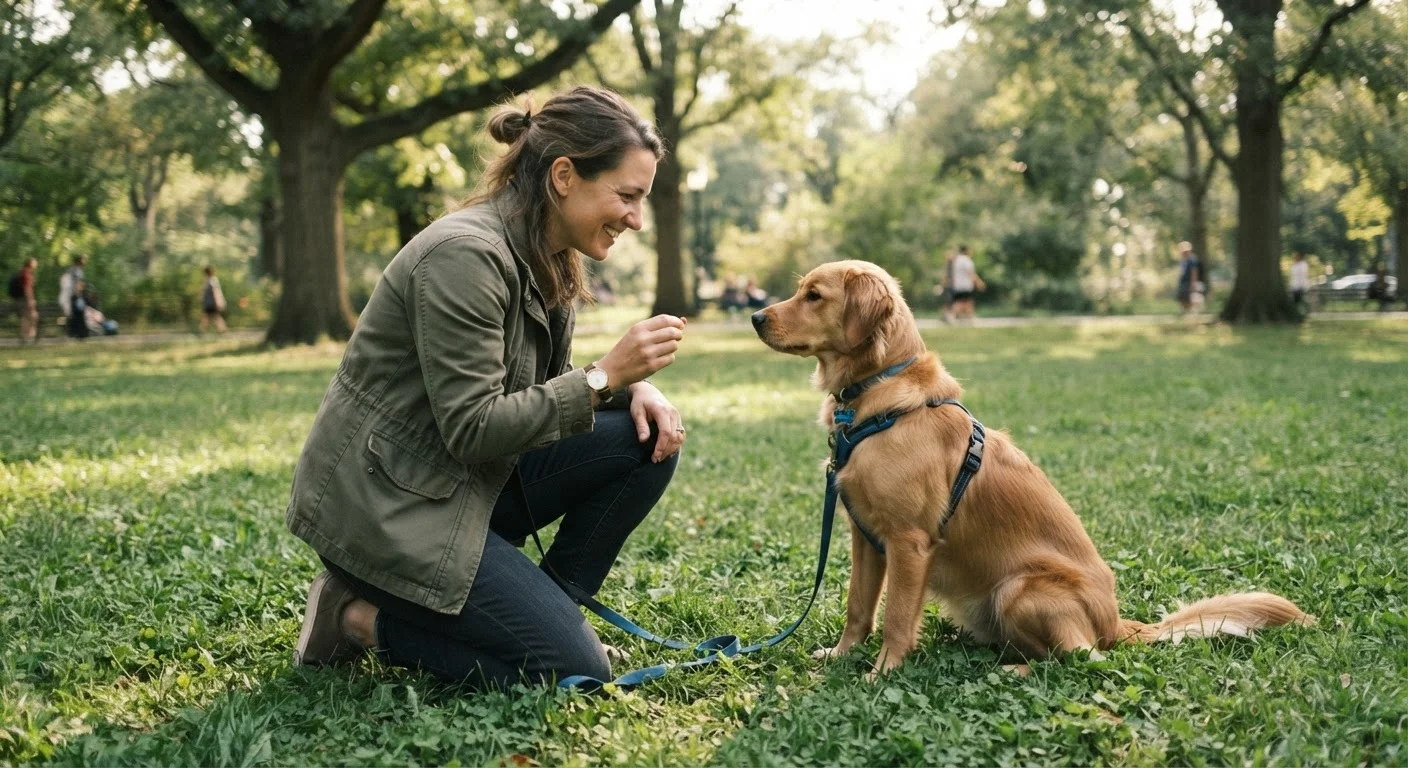
Photo: InDepthReads.com | Streamlining Learning For All editorial
Key Takeaways
- Training plateaus are usually caused by handler errors, not a pet's inability to learn.
- Inconsistent cues, inadequate reinforcement, and skipping foundational steps are the most common culprits.
- Environmental distractions and physical discomfort can silently stall progress without obvious signs.
- Revisiting basic principles — timing, clarity, and reward value — often restores momentum quickly.
- If stalling persists despite adjustments, a professional behaviorist assessment may be warranted.
Why Plateaus Happen — and Why They're Usually Fixable
A training plateau can feel discouraging: your pet seemed to be making real progress, and now nothing is sticking. Before assuming the animal is stubborn or untrainable, it's worth understanding what behavioral science actually tells us about learning stalls.
Most plateaus trace back to something the handler is doing — or not doing — rather than a ceiling in the pet's capacity. The core pillars of effective training — timing, consistency, and clarity — are easily disrupted by everyday life, and when any one of them slips, progress stalls quietly. Recognizing which factor has broken down is the first step to getting back on track.
Using inconsistent cues or commands across training sessions.
Advancing to harder skills before foundational behaviors are truly solid.
Relying on rewards that aren't actually motivating to the individual animal.
Training in low-distraction environments only and never generalizing skills.
Keeping training sessions too long, causing mental fatigue and disengagement.
Missing or dismissing physical discomfort as a factor in behavioral regression.
When to Consider Outside Help
Some plateaus resolve quickly once technique is adjusted. Others signal something deeper. If your pet shows signs of fear, reactivity, or compulsive behavior that don't respond to standard training adjustments, those are different challenges from simple skill stalls.
Don't Push Through Fear or Anxiety Signs
Choosing the right learning environment also matters. A dog struggling with distraction at home may respond differently in a structured setting — the trade-offs between group classes and private sessions are worth evaluating when progress has stalled in self-guided work.
For rescue pets specifically, learning history adds another layer of complexity. Training a rescue dog presents unique challenges that don't always respond to standard timelines or methods. And don't overlook physical factors: poor nutrition can affect energy, focus, and mood. If your pet seems low-energy or distracted, signs your pet's diet may not be working are worth reviewing with your veterinarian.
When stalls persist despite honest adjustments to technique, environment, and consistency, signals that a professional behaviorist may be needed become important to recognize early rather than late.
3–5 min
Optimal session length for young or novice pets
Animal learning research consistently supports short, frequent training sessions over extended practice for better retention and engagement.
~80%
Response reliability benchmark before advancing
Behavioral trainers commonly use an 80% correct-response threshold across varied contexts as a readiness indicator before introducing new skills.
This article is for general educational purposes only. For concerns about your pet's health, behavior, or nutrition, consult a qualified veterinarian or certified animal behaviorist.
The content on this site is for informational purposes only and is not a substitute for professional advice. Always consult a qualified professional for guidance specific to your situation.