
Layering Skincare Products in the Right Order

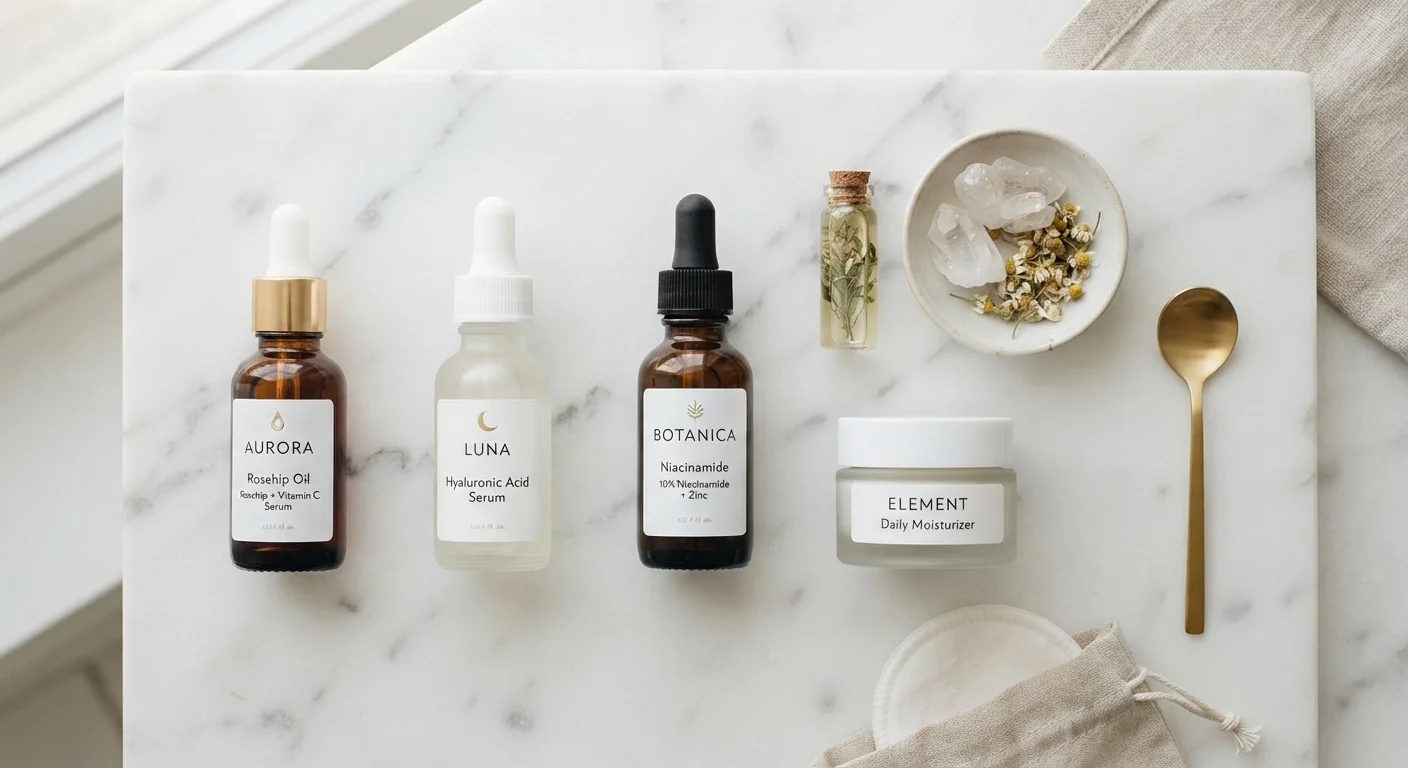
Photo: InDepthReads.com | Streamlining Learning For All editorial
Key Takeaways
- Apply products from thinnest to thickest consistency for best absorption.
- Water-based serums go before moisturizers; facial oils seal everything in last.
- Sunscreen is always the final step in any morning routine.
- Waiting 30–60 seconds between layers lets each product settle properly.
- Retinoids and exfoliating acids generally belong in your PM routine, not AM.
Why Layering Order Actually Matters
Skincare products aren't designed to work in isolation — they're formulated to interact with skin that's been properly prepared. Apply a thick cream before a watery serum and the serum simply can't get through; the denser formula acts like a barrier. The general rule the skincare world has settled on: thinnest to thickest, with a few important exceptions.
This logic is grounded in basic chemistry. Water-based products absorb quickly and are absorbed most effectively into clean, uncoated skin. Oil-based products and heavier creams are designed to sit on top and hold moisture in — so they naturally belong toward the end of the sequence.
It's also worth noting that the number of steps matters less than the order and consistency of the ones you do use. A thoughtfully ordered three-step routine will almost always outperform an improperly layered ten-step one. For a broader look at what complexity adds to a routine — and what it sometimes doesn't — see minimalist vs. multi-step routines.
Less Can Be More
What You'll Need
You don't need a shelf full of products to layer correctly. Start with what you already own and apply the sequencing principles to your existing routine. Here are the tools and products that may be part of your layering order:
Cleanser
Removes makeup, oil, and daily buildup so subsequent products can absorb onto clean skin.
Toner or essence
Rehydrates and balances skin after cleansing, prepping it to receive serums and treatments.
Water-based serum or treatment
Delivers concentrated active ingredients like hyaluronic acid, niacinamide, or vitamin C deep into skin.
Moisturizer
Locks in hydration and supports the skin barrier after lighter treatment layers.
Facial oil
Creates an occlusive seal over all other layers, keeping moisture from evaporating.
Broad-spectrum SPF
Protects skin from UV damage; always applied as the very last step in a morning routine.
What you will need
The Layering Steps
Follow these steps in order for both your morning and evening routines, keeping in mind that a few steps — like SPF and retinoids — are time-of-day specific.
Cleanse your skin first
Every routine — morning or night — starts with a clean canvas. Use a gentle cleanser suited to your skin type, rinse thoroughly with lukewarm water, and pat (don't rub) dry with a clean towel. Layering products onto skin that still has residue or sunscreen from earlier in the day dramatically reduces how well they penetrate.
Apply toner or essence (if you use one)
Toners and essences are optional but useful for people who want an extra layer of hydration or pH balancing right after cleansing. Apply a small amount to a cotton pad or your palms and press gently into skin. This step also primes skin to receive the active ingredients coming next.
Layer serums from thinnest to thickest
If you use more than one serum, consistency is your guide: start with the most watery formula first and work toward thicker, gel-like textures. A lightweight vitamin C serum, for example, goes before a thicker hyaluronic acid gel. Apply a few drops to fingertips and press into skin rather than rubbing vigorously.
Wait about 30–60 seconds between each serum to allow it to settle before adding the next layer.
Add any targeted treatments
Spot treatments for acne, prescription topicals, or retinoids generally go on after serums but before your moisturizer — unless the product instructions specifically say otherwise. Apply only to the areas that need them. Retinoids are best reserved for your PM routine; for more on timing, see AM vs. PM skincare.
Apply moisturizer to seal in hydration
Moisturizer is the workhorse that holds everything underneath in place. Apply it while skin is still slightly damp from your serum — this helps lock in moisture rather than just sitting on the surface. Use upward, gentle strokes and don't forget your neck.
Finish with facial oil (PM) or SPF (AM)
Nighttime: If you use a facial oil, apply it after moisturizer. Oils are occlusive — they sit on top of the skin and slow moisture loss overnight. Because they can prevent water-based products from absorbing if applied too early, they always go last.
Morning: Skip the oil and apply a broad-spectrum sunscreen as your absolute final step. Nothing goes over SPF. For help decoding sunscreen labels, see what SPF numbers actually mean.
SPF Always Goes On Last
Troubleshooting Your Routine
Even with the right order, layering can go sideways for a few reasons. If your skin feels congested, consider whether you're using too many occlusive products at once. If you're experiencing redness or stinging, an active ingredient conflict may be the culprit — see the skincare routine audit for a structured way to review what you're using and catch any conflicts.
Disrupted or sensitized skin often signals a weakened skin barrier. Understanding what the skin barrier does can help you identify whether your current layering approach is helping or hurting it.
Don't Layer Conflicting Actives
This article is for general informational purposes only and does not constitute medical or dermatological advice. If you have persistent skin concerns or reactions, consult a qualified dermatologist.
The content on this site is for informational purposes only and is not a substitute for professional advice. Always consult a qualified professional for guidance specific to your situation.