
Skincare Routine Audit: Evaluating What You're Actually Using

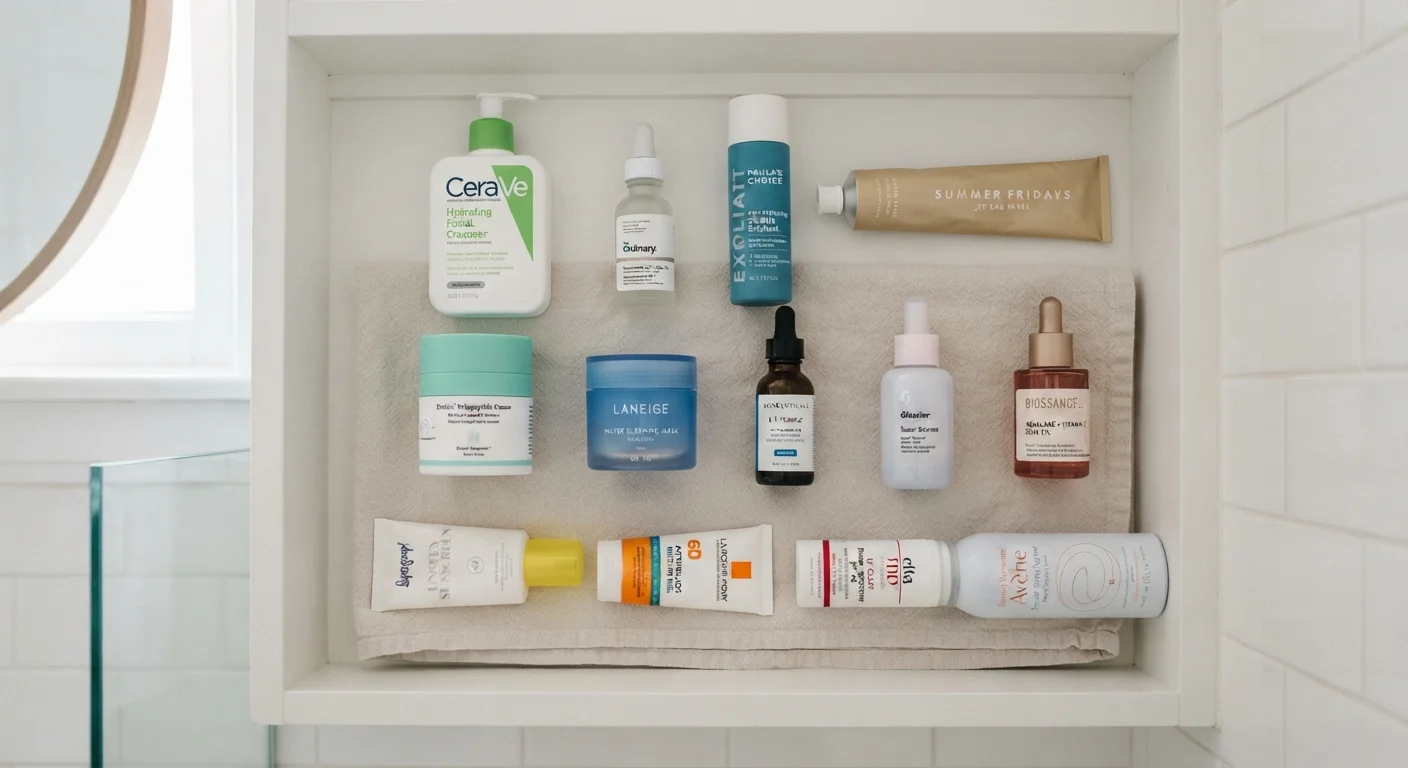
Photo: InDepthReads.com | Streamlining Learning For All editorial
Key Takeaways
- Expired products can lose effectiveness and may irritate skin — check dates before every use.
- Some ingredient combinations actively work against each other and should be separated into AM and PM routines.
- More products does not equal better results; redundancy in a routine is common and easy to trim.
- Your skin type and concerns can shift over time, meaning your routine should be reassessed periodically.
- A simple, consistent routine generally outperforms an elaborate one used inconsistently.
Why a Routine Audit Is Worth Your Time
Most skincare routines don't fail because of bad products — they falter because of accumulated habits nobody stops to question. A product added during a breakout three years ago is still sitting in the rotation. A serum is being applied after a moisturizer, essentially blocking absorption. Two actives are being layered that dermatologists generally advise separating. Sound familiar?
A routine audit isn't about starting over — it's about getting honest about what you're actually doing versus what you think you're doing. You don't need a dermatologist's office or an expensive consultation to do it. You need about 30 minutes, good lighting, and this checklist.
Before you dive in, it's worth knowing your skin type as a baseline. If you're unsure, our guide on identifying your skin type can help you nail that down first. And if you've ever wondered whether a 10-step routine is actually doing more than a streamlined one, the evidence on minimalist vs. multi-step routines is a genuinely useful read to pair with this audit.
Don't Audit Mid-Breakout or During Irritation
Tools You'll Need for the Audit
Gather everything before you start — pulling products mid-audit leads to incomplete assessments. Lay them all out in the order you actually use them, not the order you think you should.
All current skincare products
Form the basis of the audit — every product you use on your face and neck, AM and PM.
Notepad or notes app
Record keep/reassign/remove decisions for each product as you work through the checklist.
Good lighting (natural or bright artificial)
Helps you accurately assess product texture, color changes, and expiration label details.
Ingredient-reading app or resource
Cross-check active ingredients for known conflicts without needing to memorize formulation chemistry.
The Full Audit Checklist
Work through each group in sequence. The inventory section anchors everything that follows — don't skip it even if it feels tedious. For each item, flag it as keep, reassign (move to AM or PM only), or remove.
Product Inventory
Ingredient Conflicts
Application Order & Layering
Routine Gaps
Redundancy Review
Storage & Hygiene
Once you've completed the checklist, revisit how products are stacked. Our guide on layering skincare products in the right order explains the logic behind sequencing so every step actually absorbs. And if your AM routine lacks a clear cleansing step, proper makeup removal is one of the most commonly skipped foundations worth getting right.
Patch Test Before Reintroducing Products
For a clear breakdown of which actives belong in morning vs. evening routines, see our article on AM vs. PM skincare ingredients. If your audit reveals your routine has ballooned in complexity, self-care routines that fit a busy schedule offers practical ways to pare back without losing ground.
This article is for general informational and educational purposes only. It is not a substitute for advice from a licensed dermatologist or qualified skincare professional. If you are experiencing a skin condition, persistent irritation, or allergic reaction, consult a healthcare provider.
The content on this site is for informational purposes only and is not a substitute for professional advice. Always consult a qualified professional for guidance specific to your situation.