
Skin Types Explained: Dry, Oily, Combination, and Sensitive

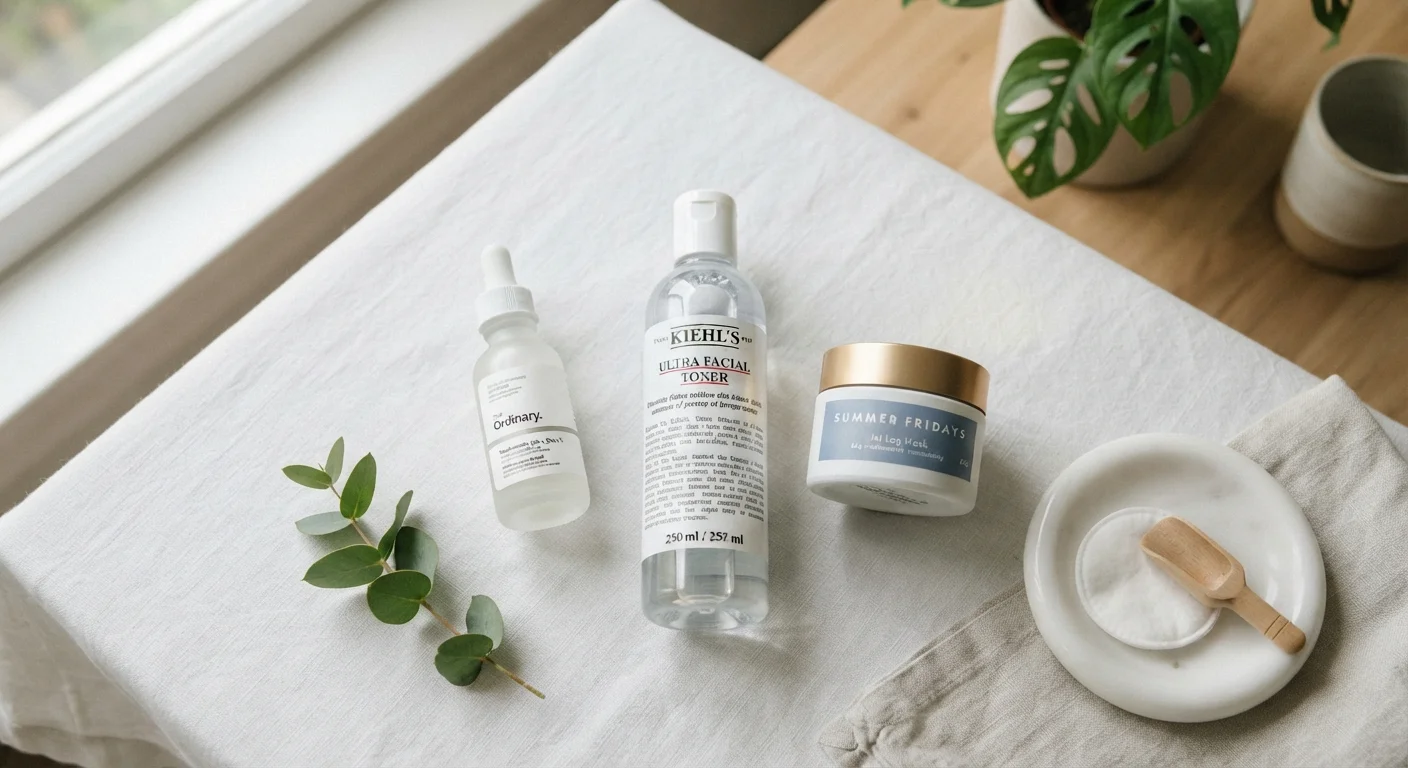
Photo: InDepthReads.com | Streamlining Learning For All editorial
Why Knowing Your Skin Type Matters
Walk down any beauty aisle and you'll see words like "balancing," "hydrating," and "mattifying" on nearly every bottle. Those terms only mean something once you know your skin type — otherwise, you're essentially guessing. Identifying your skin type helps you choose products that work with your skin rather than against it, and it prevents the all-too-common cycle of buying things that leave your face feeling worse than before.
Skin type is largely determined by genetics, but it can shift with age, climate, hormonal changes, and even stress. Most people fall into one of four categories: dry, oily, combination, or sensitive. Some people experience overlap — for example, oily skin can also be sensitive. Think of these categories as a starting framework, not a permanent label.
If you're brand new to building a routine, our beginner's guide to skincare is a great companion to this reference.
| Number of main skin types | 4 (dry, oily, combination, sensitive) |
| Most common skin type | Combination (Widely cited in dermatology literature) |
| Key identifier for oily skin | Shine and enlarged pores, especially in the T-zone |
| Can skin type change over time? | Yes — age, climate, hormones, and habits can all shift your skin type |
| Best at-home identification method | Bare-face test (cleanse, wait one hour, observe) |
| Common sensitive skin triggers | Fragrance, alcohol, certain preservatives |
The Four Main Skin Types
Here's what each type typically looks and feels like — along with what your skin generally needs from a daily routine.
Dry Skin
Dry skin produces less sebum (the skin's natural oil) than average. It often feels tight after cleansing, may look dull or flaky, and can develop fine lines more visibly. The goal with dry skin is to replenish moisture and reinforce the skin's protective barrier. Cream-based cleansers, rich moisturizers, and hydrating ingredients like hyaluronic acid and ceramides are commonly recommended for this type. Learn more about why barrier care matters in our article on the skin barrier and your routine.
Oily Skin
Oily skin overproduces sebum, which leads to shine — especially across the forehead, nose, and chin — and enlarged-looking pores. People with oily skin are also more prone to breakouts. The instinct to strip oil with harsh cleansers often backfires, triggering the skin to produce even more sebum. Gentle, non-comedogenic (pore-friendly) products and lightweight, gel-based moisturizers tend to work well.
Combination Skin
Combination skin is exactly what it sounds like: oily in some areas and normal-to-dry in others. The T-zone (forehead, nose, and chin) is typically oilier, while the cheeks may feel normal or slightly dry. Many people have combination skin without realizing it, which can make one-size-fits-all routines frustrating. Targeted application — for example, using a lighter moisturizer on oily zones — can help balance things out.
Sensitive Skin
Sensitive skin reacts easily to ingredients, environmental factors, or physical friction. Signs include redness, stinging, burning, or rashes after using certain products. Fragrance, alcohol, and certain preservatives are common triggers. Gentle, minimal-ingredient formulas are generally easier for sensitive skin to tolerate. If your skin regularly reacts strongly, it's worth talking with a dermatologist to rule out underlying conditions like rosacea or eczema.
Sebum
An oily, waxy substance produced by the skin's sebaceous glands. It helps lubricate and protect the skin, but overproduction can lead to shine and clogged pores.
Non-comedogenic
A label indicating a product is formulated to avoid clogging pores. Commonly recommended for oily and acne-prone skin types.
T-zone
The area of the face spanning the forehead, nose, and chin, forming a T-shape. This region tends to produce more oil than the cheeks in people with combination skin.
Skin barrier
The outermost layer of the skin that acts as a protective shield, locking in moisture and blocking out irritants. A compromised barrier can make any skin type feel more reactive and dry.
Hyaluronic acid
A naturally occurring molecule in the skin that attracts and holds moisture. It's widely used in skincare to help improve hydration, particularly for dry skin types.
Ceramides
Lipids (fats) that occur naturally in the skin and help form the skin barrier. Products containing ceramides are often used to restore and strengthen dry or compromised skin.
How to Figure Out Your Skin Type at Home
A simple method called the "bare-face test" can give you a clear starting point. Wash your face with a gentle cleanser, pat dry, and skip all products for about an hour. Then observe:
- Tight, flaky, or rough? Likely dry.
- Shiny all over? Likely oily.
- Shiny only on the nose and forehead? Likely combination.
- Flushed, itchy, or blotchy? Likely sensitive.
Keep in mind that seasonal changes, travel, and even your current products can skew the results. If you've recently changed your routine, give your skin a week or two to settle before re-evaluating.
Once you've identified your type, the next step is thinking about how products interact with each other. Our guide to layering skincare products in the right order walks through the logic of sequencing so each step actually absorbs properly. And if you're unsure whether your current routine is helping or hurting, a skincare routine audit can help you spot conflicts and gaps.
~50%
People estimated to have sensitive skin
Various dermatology surveys suggest roughly half of adults self-report some degree of skin sensitivity, though definitions vary.
2–4 weeks
Time for skin to adjust after a routine change
Dermatologists generally suggest giving new products a few weeks before evaluating whether they're working or causing issues.
This article is for general informational purposes only and is not a substitute for professional dermatological or medical advice. If you have persistent skin concerns, consult a qualified healthcare provider.
The content on this site is for informational purposes only and is not a substitute for professional advice. Always consult a qualified professional for guidance specific to your situation.