
Makeup Removal Done Right: What Most People Skip

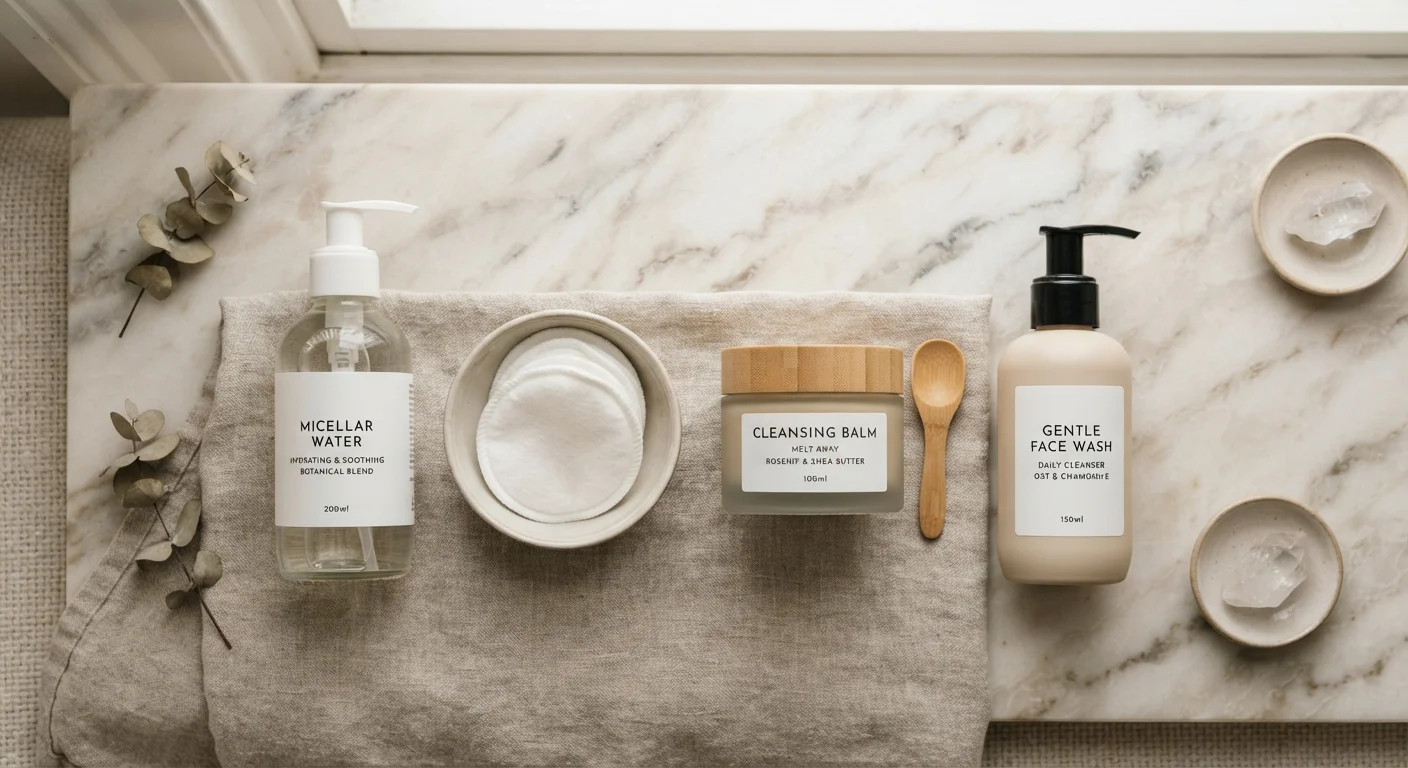
Photo: InDepthReads.com | Streamlining Learning For All editorial
Key Takeaways
- One cleansing step is often not enough to fully remove long-wear or waterproof makeup.
- Skipping certain areas — like the lash line and hairline — leaves residue that can irritate skin.
- The method and formula you use matter as much as how often you cleanse.
- Double cleansing is a widely recommended approach for thorough makeup removal.
- Harsh scrubbing damages the skin barrier; gentle technique is more effective long-term.
Why Makeup Removal Deserves More Attention
Cleansing is probably the most underrated step in any skincare routine. It's easy to invest in serums and moisturizers while treating the cleansing step as a formality — a quick rinse before the 'real' routine begins. But incomplete makeup removal is one of the most consistent causes of clogged pores, dullness, and irritation that dermatologists see.
If you're already building out your routine, this beginner's guide to skincare is a great place to ground yourself in the essentials before adding steps. And if you're layering products after cleansing, what comes before matters — residual makeup and SPF can block absorption of everything that follows.
63%
Women who skip full makeup removal
A survey by the American Academy of Dermatology found that a significant portion of makeup wearers do not fully remove makeup before bed on a regular basis.
2x
Cleansing steps in double cleansing
The double cleanse method — an oil-based first step followed by a water-based cleanser — is a cornerstone of many dermatologist-recommended routines for makeup wearers.
The good news: getting makeup removal right doesn't require expensive tools or an elaborate process. It mostly comes down to avoiding a handful of very common missteps.
The Most Common Makeup Removal Mistakes
Relying on a single cleansing step to remove all makeup.
Skipping the eye area or rushing through it.
Ignoring the hairline, jaw, and sides of the nose.
Using makeup wipes as a complete cleansing method.
Scrubbing aggressively in an effort to 'really clean' the skin.
Don't Confuse 'Clean-Feeling' with Actually Clean
Once you've nailed your cleansing step, the rest of your routine becomes significantly more effective. Products like serums and treatments can actually reach the skin rather than sitting on top of a film of leftover foundation. For guidance on what to apply after cleansing — and in what order — this guide to layering skincare products breaks it down clearly.
Sleeping in Makeup Has Real Consequences
It's also worth periodically stepping back to audit your full routine. A skincare routine audit can help you spot gaps — including whether your cleansing step is actually setting up the rest of your products for success. For a broader look at how much routine complexity is actually necessary, the evidence on minimalist vs. multi-step routines offers a grounded perspective.
This article is for general informational and educational purposes only and is not a substitute for professional skincare or medical advice. If you have a skin condition or concern, consult a qualified dermatologist.
The content on this site is for informational purposes only and is not a substitute for professional advice. Always consult a qualified professional for guidance specific to your situation.