
Getting the Most Out of Neutral Colors in Everyday Outfits

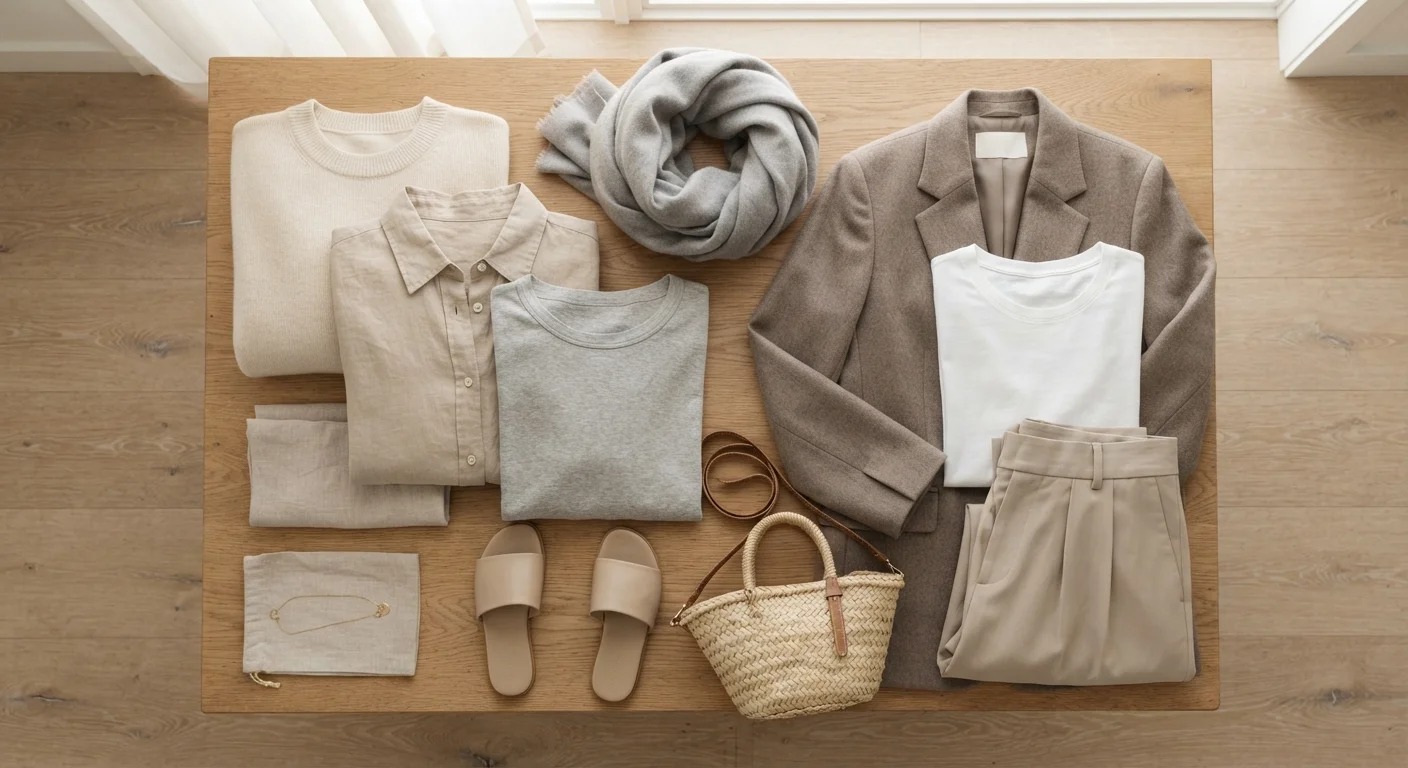
Photo: InDepthReads.com | Streamlining Learning For All editorial
Key Takeaways
- Neutrals span more than just black and white — warm beiges, soft taupes, and cool greys all count.
- Mixing textures within a neutral palette prevents outfits from looking flat or monotone.
- One anchor piece in a deeper neutral can ground an entire look without extra effort.
- Neutrals pair effortlessly with bolder accessories or a single statement piece.
- Building around a consistent neutral base makes getting dressed faster and more intuitive.
Why Neutrals Are Worth Getting Right
Neutral colors — white, cream, beige, grey, camel, black, and everything in between — make up the majority of most people's wardrobes, often without much thought. That default habit actually makes a lot of sense: neutrals are easy to care for, transition across seasons, and work across a wide range of occasions. The challenge is that without a little intention, they can also feel uninspiring or look like an afterthought.
The good news is that getting more from your neutrals doesn't require buying anything new or following complicated style formulas. It mostly comes down to understanding tone, contrast, and texture — and how those three things interact when you put an outfit together. Whether you're heading to work, running errands, or meeting friends, a well-assembled neutral outfit can look genuinely put-together with minimal effort.
For a broader look at how neutrals fit into your overall closet strategy, the Everyday Style Playbook is a great companion read. And if you're weighing how many neutrals versus statement pieces make sense for you, this guide to balancing staples and statement pieces can help you think it through.
Neutrals Are Not One-Size-Fits-All
How to Build a Neutral Outfit That Actually Works
The steps below walk you through a practical process for assembling neutral outfits that feel cohesive and intentional — not accidental. Before you start, gather a few items from your closet so you can try combinations in real time.
What you will need
A neutral anchor piece
Acts as the foundation of your outfit — typically a well-fitting trouser, skirt, or jacket in a mid-range neutral like camel or stone.
At least two contrasting textures
Layering different fabric types (e.g., cotton and wool, denim and linen) gives depth to a neutral palette.
One accessory in a neutral or complementary tone
A belt, bag, or shoes in a harmonizing shade ties the whole look together without introducing visual chaos.
A mirror with good lighting
Helps you see how tones interact in natural or indoor light before heading out the door.
Map out your neutral palette
Start by pulling out every neutral piece you already own and grouping them by tone: warm (cream, camel, tan, warm grey) versus cool (white, charcoal, cool grey, greige). This quick audit shows you which tones dominate your closet and where the gaps are. A well-rounded neutral wardrobe usually includes at least one piece from each temperature — that range is what gives you real mixing flexibility.
Choose one anchor piece to build around
Pick a single neutral item to serve as the foundation — something in a mid-depth tone like stone, camel, or medium grey. This piece sets the temperature of your outfit. Lighter pieces layered on top will feel airy; darker ones will ground it. Trousers, a blazer, or a structured skirt usually work well as anchors because they carry visual weight without competing for attention.
Layer tone-on-tone with deliberate contrast
Tone-on-tone dressing — wearing multiple shades of the same or similar neutral — works best when there's clear contrast between pieces. A cream blouse over a bone-white camisole blends too closely and muddies the look. Instead, pair cream with camel, or soft white with warm sand. The contrast doesn't need to be dramatic; just enough that the eye can distinguish each layer.
Vary your textures intentionally
With color doing less of the work, texture becomes essential. Aim for at least two different fabric weights or finishes in any neutral outfit. Think: a ribbed knit paired with structured denim, or a woven linen shirt over smooth cotton trousers. Matte-on-matte can feel flat; introducing one piece with sheen, nap, or weave instantly lifts the whole outfit.
Add one deliberate accent
Neutrals are incredibly forgiving as a base for both color accents and bolder statement pieces. A single pop — a terracotta scarf, deep olive bag, or dusty blue loafer — reads as intentional rather than accidental when everything else is neutral. If you prefer to stay fully neutral, a metallic accessory (gold, silver, or bronze) adds just enough gleam without breaking the palette. See our guide to accessorizing without overthinking it for more direction.
Use Texture as Your Secret Weapon
The content on this site is for informational purposes only and is not a substitute for professional advice. Always consult a qualified professional for guidance specific to your situation.