
Beard Care vs. Scalp Care: More Different Than You'd Think

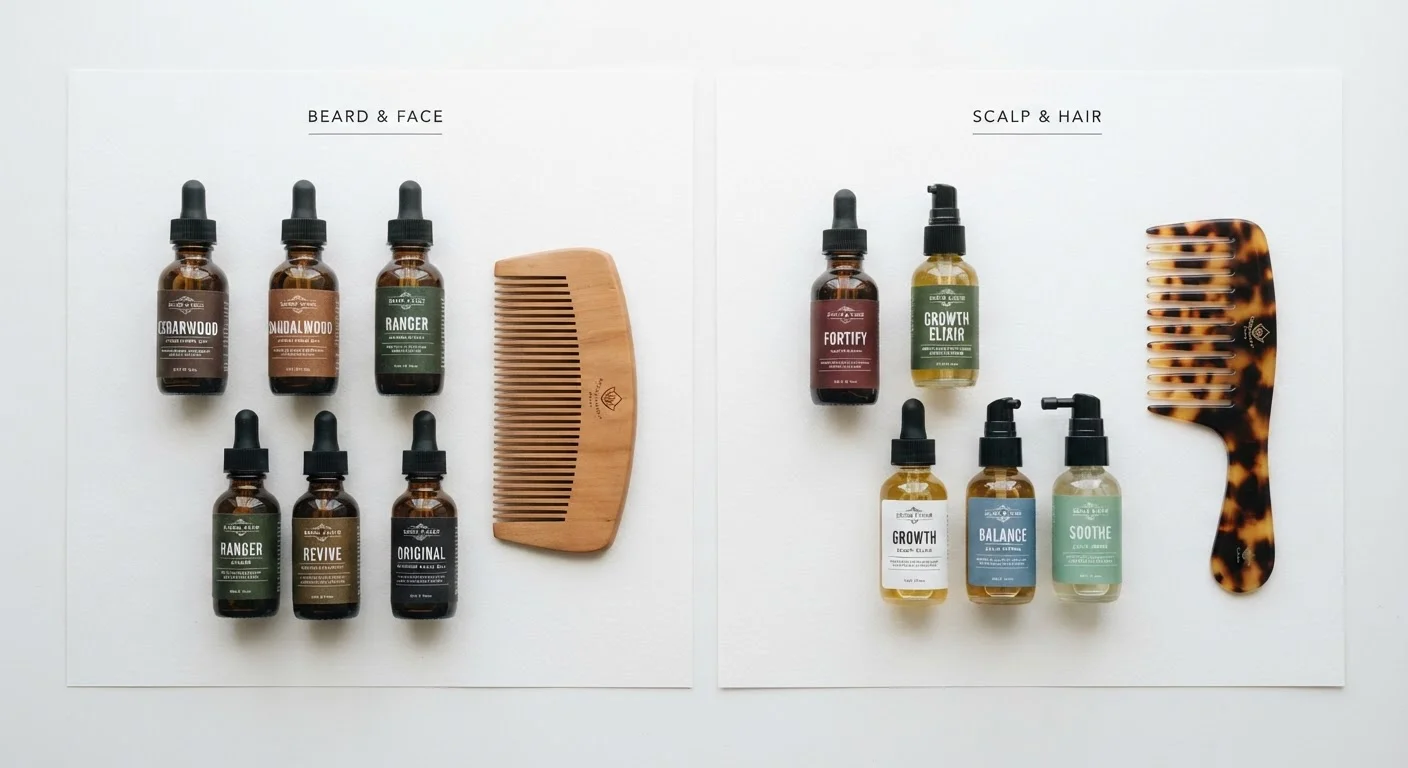
Photo: InDepthReads.com | Streamlining Learning For All editorial
Key Takeaways
- Beard hair and scalp hair grow from different skin environments with different sebaceous gland densities.
- The skin beneath a beard is facial skin, requiring gentler products than the tougher scalp.
- Scalp routines should address buildup and pH balance; beard routines focus more on moisture and softness.
- Using scalp shampoo on your beard — or beard oil on your scalp — can cause irritation or imbalance.
- Both routines benefit from consistency, but the products, frequency, and goals are genuinely different.
Why the Difference Actually Matters
At first glance, it seems reasonable to assume that hair is hair. But facial hair and scalp hair develop in distinct skin environments — and that distinction shapes everything from which cleansers to use to how often you should condition. Getting this wrong doesn't usually cause serious harm, but it can lead to chronic dryness, clogged follicles, or persistent irritation that's hard to trace back to the cause.
The skin beneath a beard is facial skin — thinner, more reactive, and packed with sebaceous glands that produce oil in a different pattern than the scalp. The scalp, by contrast, is thicker, has a higher gland density, and is exposed to environmental factors like UV and sweat in ways that the face usually isn't. These differences mean the two zones respond to products differently, need different wash frequencies, and benefit from entirely different ingredient profiles.
For a broader look at what makes scalp health its own discipline, see Scalp Health From the Inside Out.
How Beard Skin and Scalp Skin Compare
Understanding the biology makes the product differences make sense:
- Sebaceous activity: Facial skin produces oil, but beard follicles are surrounded by thinner, drier skin than the scalp. This is why beard hair tends to feel coarse and why products like beard oil exist — to compensate for lower natural lubrication along the hair shaft.
- pH levels: The scalp's natural pH sits around 5.5, which helps regulate the microbiome and keep the skin barrier intact. Facial skin, including under the beard, tends to be slightly more sensitive to pH shifts, making harsh detergents especially problematic.
- Hair texture and porosity: Beard hair is typically coarser and curlier (especially in men with textured hair), making it prone to ingrown hairs and dryness. Scalp hair has a broader range of textures and its moisture needs vary accordingly.
- Follicle depth and density: Beard follicles are generally shallower and more tightly spaced on parts of the face, which affects how products absorb and how easily pores can become congested.
| Beard Care | Scalp Care | |
|---|---|---|
| Skin type underneath | Thin, reactive facial skin | Thicker, tougher scalp skin |
| Primary concern | Dryness, coarseness, ingrown hairs | Buildup, oiliness, flaking |
| Wash frequency | 2–3x per week recommended | Varies by hair type and lifestyle |
| Key product types | Beard wash, beard oil, balm | Shampoo, scalp serum, conditioner |
| Exfoliation need | Occasional gentle exfoliation | Periodic clarifying or scalp scrub |
| Moisturizing approach | Oil or balm applied to skin and hair | Conditioner on hair, serum on scalp |
| pH sensitivity | High — facial skin reacts quickly | Moderate — scalp more resilient |
Building a Beard Routine That Works
A solid beard routine centers on three things: cleansing gently, moisturizing consistently, and managing the skin underneath — not just the hair itself.
Cleansing: Wash your beard two to three times per week using a cleanser formulated for facial skin or specifically for beards. Regular shampoo is generally too stripping for the face and can leave the skin under your beard dry and flaky. Lukewarm water works better than hot, which can exacerbate dryness.
Conditioning and moisturizing: Beard conditioners and beard oils serve different purposes. Conditioners soften the hair itself; oils primarily moisturize the skin beneath and add a light coating to the hair shaft. For longer or coarser beards, a leave-in conditioner or beard balm can also help with manageability.
Combing and grooming: A wide-tooth comb or boar-bristle beard brush helps distribute natural oils evenly and reduces tangles without breakage. This matters more for longer, textured beards where knots can cause mechanical stress on the follicle.
Start With the Skin, Not the Hair
Building a Scalp Routine That Works
Scalp care is less about the hair strands and more about managing the skin environment they grow from. The goals — balancing oil production, reducing buildup, and maintaining the scalp's natural microbiome — are genuinely different from beard care goals.
Shampooing frequency: This varies widely by hair type and lifestyle. Those with fine or oily hair may need to wash more frequently; those with thicker, drier, or chemically treated hair may benefit from less frequent washing. There's no single right answer, but overwashing strips natural oils and can trigger rebound oiliness.
Addressing buildup: Product buildup is one of the most common scalp issues and one of the easiest to overlook. A periodic clarifying wash can reset the scalp without harsh daily detergents. For guidance on when and how to do this, Clarifying Your Hair: How Often, Why It Matters, and What to Expect is worth a read.
Scalp serums and treatments: Scalp serums — often containing ingredients like salicylic acid, niacinamide, or tea tree oil — target specific concerns like flaking or excess oil. These are not interchangeable with beard products and should be kept off the facial skin zone.
For those curious about ingredient differences like sulfate-free versus traditional shampoos, Sulfate-Free vs. Traditional Shampoo: What Actually Differs breaks down the trade-offs clearly.
The Overlap — and Where to Draw the Line
There is some shared logic: both beard and scalp care benefit from avoiding harsh sulfates, staying consistent, and paying attention to how the skin — not just the hair — is responding. If either zone feels tight, itchy, or overly dry, that's a signal to reassess the routine.
But cross-using products is where things tend to go sideways. Scalp shampoos on the beard can strip facial skin of essential moisture. Beard oil on the scalp can clog follicles and contribute to buildup rather than reduce it. Keep the two routines separate, even if some ingredients overlap.
For a full grooming framework that covers both zones in context, The Weekly Grooming Routine: A Head-to-Toe Checklist for Men is a practical starting point. And if you're interested in how exfoliation fits into either routine, Physical vs. Chemical Exfoliation: Understanding the Difference is useful context.
The content on this site is for informational purposes only and is not a substitute for professional advice. Always consult a qualified professional for guidance specific to your situation.