
Scalp Health From the Inside Out

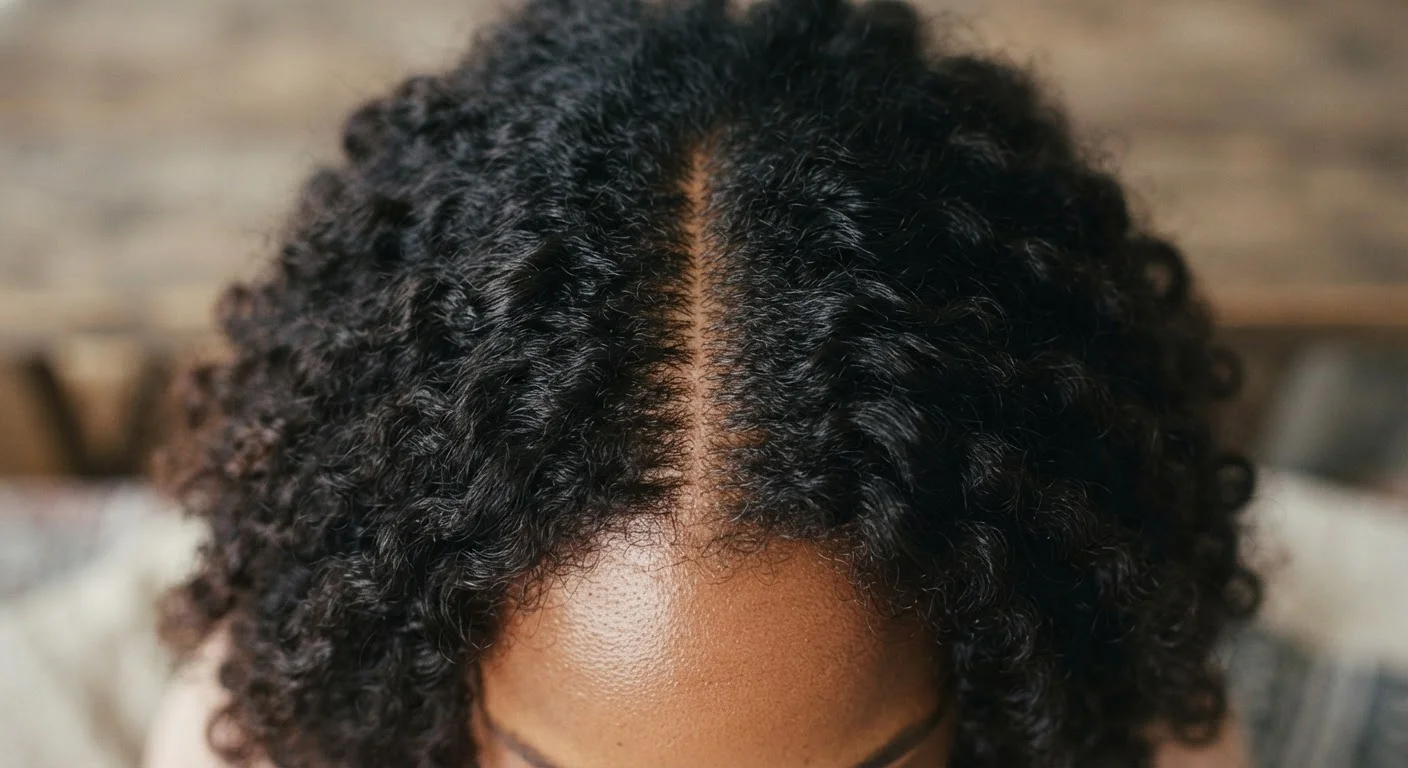
Photo: InDepthReads.com | Streamlining Learning For All editorial
Key Takeaways
- Scalp condition directly affects hair growth cycles, texture, and overall strand health.
- Diet, stress, and hormones influence scalp oil production and skin barrier function.
- Wash frequency should match your scalp type and lifestyle, not a universal rule.
- Product buildup and heat can compromise scalp health even without obvious symptoms.
- Persistent flaking, itching, or hair loss warrants a conversation with a dermatologist.
Why Scalp Health Is the Foundation
Think of your scalp as the soil your hair grows from. When that environment is balanced — not too oily, not too dry, free from inflammation — hair follicles can do their best work. When it's out of balance, you tend to notice it downstream: dullness, breakage, shedding, or slow growth.
Each hair follicle is embedded in the scalp's dermal layer and depends on healthy blood flow, a stable skin barrier, and clean sebaceous glands (the oil-producing structures alongside each follicle). Disruptions to any of these can affect the hair growth cycle, which moves through active growth (anagen), transition (catagen), and rest (telogen) phases. A compromised scalp can shorten anagen and push more hairs into telogen prematurely — a pattern sometimes called telogen effluvium.
Understanding your hair's porosity and texture also matters here: these properties influence how products interact with both the strand and the scalp environment beneath it.
What Disrupts Scalp Balance
Several factors — many of them interconnected — can throw your scalp off course:
- Excess sebum: Overactive oil glands create a favorable environment for Malassezia, a yeast naturally present on the scalp that, in excess, contributes to dandruff and seborrheic dermatitis.
- Product buildup: Silicones, heavy oils, and dry shampoos can accumulate on the scalp, clogging follicles and altering the local microbiome. Clarifying your hair periodically helps reset this balance.
- Heat and tension: Regular heat styling and tight hairstyles apply mechanical stress near the root. Protective heat practices reduce cumulative scalp irritation over time.
- Stress: Elevated cortisol is associated with increased sebum production and can trigger or worsen inflammatory scalp conditions. Managing everyday stress has a measurable effect on skin and scalp function.
- Hormonal shifts: Changes during puberty, pregnancy, postpartum periods, and midlife can significantly affect scalp oiliness and hair density.
Don't Ignore Chronic Scalp Symptoms
Nutrition, Hydration, and Your Scalp
The scalp's skin barrier and hair follicle cells rely on consistent nutrient availability. While no single food guarantees hair growth, certain nutritional gaps are well-documented contributors to scalp and hair problems.
- Iron and ferritin: Low iron stores (even without diagnosed anemia) are linked to diffuse hair shedding in some individuals, particularly women.
- Zinc: Plays a role in sebaceous gland regulation; both deficiency and excess can affect scalp condition.
- Omega-3 fatty acids: Support skin barrier integrity, which includes the scalp's protective surface layer.
- Biotin and B vitamins: Often marketed aggressively for hair, but deficiency is uncommon in most healthy adults with varied diets. Supplementing without deficiency is unlikely to produce visible results.
- Hydration: Adequate water intake supports skin elasticity and barrier function throughout the body, including the scalp.
For foundational dietary guidance, the Nutrition Basics hub offers practical, evidence-grounded starting points. Before adding supplements for scalp or hair concerns, consult a healthcare provider — self-diagnosing deficiencies can lead to imbalanced intake.
~50%
Adults affected by dandruff at some point
Dandruff is among the most common scalp conditions globally, according to dermatology literature.
100–150
Hairs shed daily on average
The American Academy of Dermatology notes this range as typical for a healthy hair growth cycle.
2–6 years
Average length of hair's active growth phase
The anagen (growth) phase duration varies by genetics and overall health, per hair biology research.
Cleansing Frequency and Technique
There's no universal wash schedule that works for every scalp. Frequency should reflect your scalp's oil production, your activity level, and your hair type — not a trend or a rule passed down from a different era.
Oily scalps may need washing every one to two days to prevent buildup that can irritate follicles. Normal to dry scalps often do well with two to three washes per week. Tightly coiled or very dry hair types may require less frequent cleansing — sometimes once a week — because sebum travels more slowly along curved strands, leaving the scalp less naturally moisturized.
Make the Most of Wash Day
Technique matters as much as frequency. Focus shampoo on the scalp, not the length of the hair. Use your fingertips (not nails) to gently massage in circular motions for at least 60 seconds — this lifts buildup and stimulates circulation. Rinse thoroughly; residue left at the root is a common, overlooked source of irritation.
If you're also managing a beard, note that scalp skin and facial skin behave differently — beard care and scalp care call for different approaches.
Scalp-Specific Care for Different Hair Types
A balanced scalp routine looks different depending on your hair's characteristics. Here's how to adapt:
- Fine or straight hair
- Tends to show oiliness faster because sebum distributes easily along the shaft. Lightweight, clarifying formulas generally work well; heavy conditioners applied at the root can accelerate buildup.
- Wavy and curly hair
- The scalp may produce adequate sebum, but the curl pattern slows distribution. Scalp massages and lighter application of conditioning products help without overwhelming the root area.
- Coily and tightly textured hair
- Protective styles are common — and genuinely beneficial — but can obscure scalp issues if left in too long without cleansing. Protective styles offer real benefits, but scalp access during wear matters.
- Color-treated or chemically processed hair
- Processes can alter the scalp's pH and skin barrier temporarily. Gentle, sulfate-free cleansing is typically better tolerated in the weeks following treatment.
Before adjusting your scalp routine, go two to three weeks without dry shampoo or heavy stylers — this baseline period reveals what your scalp actually does on its own, rather than reacting to product residue.
Dilute your shampoo slightly with water in your palm before applying — this distributes it more evenly across the scalp and reduces the chance of leaving concentrated residue near the roots.
For men working through a broader grooming routine, a weekly head-to-toe checklist can help integrate scalp care without adding complexity.
When to See a Professional
Many scalp concerns respond well to adjusted routines and attentive self-care. But some symptoms genuinely call for professional evaluation:
- Persistent or severe flaking that doesn't improve with gentle cleansing (may indicate seborrheic dermatitis or psoriasis)
- Intense itching, burning, or visible redness
- Patchy hair loss or sudden, significant shedding — understanding what's normal versus worth discussing is a useful starting point
- Sores, lesions, or crusting on the scalp
Hair Loss Deserves a Professional Evaluation
A dermatologist can assess underlying conditions, run relevant lab work if nutritional deficiency is suspected, and recommend clinically supported treatments. Over-the-counter options for common concerns like mild dandruff are widely available, but self-treating more complex conditions without a diagnosis can delay effective care.
This article is for general informational purposes only and does not constitute medical advice. Always consult a qualified healthcare professional for any personal health concerns, including scalp or hair conditions.
The content on this site is for informational purposes only and is not a substitute for professional advice. Always consult a qualified professional for guidance specific to your situation.