
Thinning Hair in Your 30s and 40s: What's Normal, What's Not

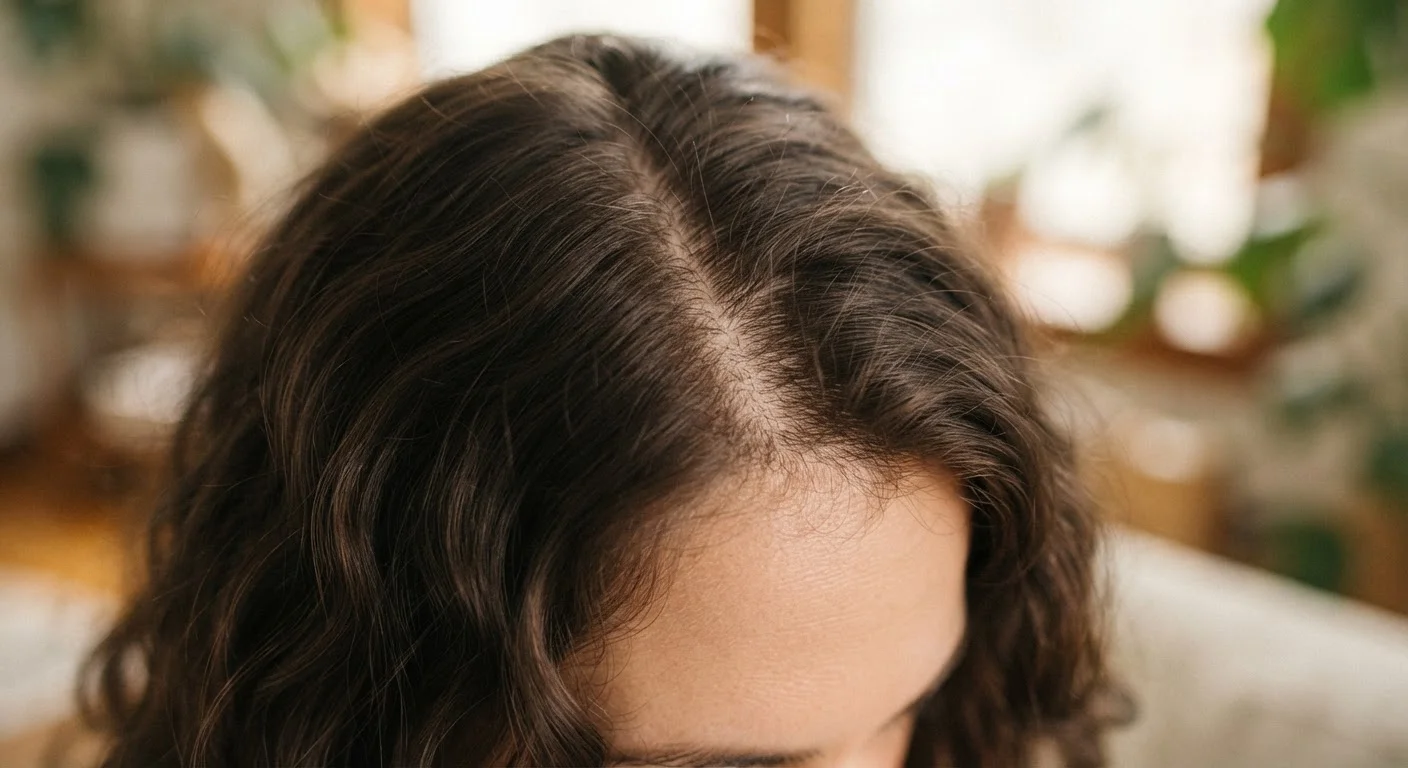
Photo: InDepthReads.com | Streamlining Learning For All editorial
Key Takeaways
- Losing 50–100 hairs per day is considered within the normal range for most adults.
- Gradual, diffuse thinning starting in your 30s or 40s is often hormone- and genetics-related.
- Sudden, patchy, or rapid hair loss may signal an underlying health issue worth discussing with a doctor.
- Nutrition, stress, scalp health, and styling habits all play a role in how hair ages.
- A dermatologist or healthcare provider can identify the cause and guide appropriate next steps.
The Hair Growth Cycle — and How It Shifts With Age
Hair doesn't grow continuously. It moves through a cycle: a growth phase (anagen), a transitional phase (catagen), and a resting phase (telogen) before shedding. In your 20s, the anagen phase can last several years, keeping hair long and dense. By your 30s and 40s, that growth phase often shortens, meaning individual strands spend less time actively growing before they shed.
The result? Hair that gradually appears finer, less voluminous, or slower to grow — not because you're growing less hair per follicle, but because each strand's active lifespan is condensing. This is a biological norm, not a warning sign on its own.
Understanding how hair density works can help you make sense of these changes and choose routines that suit your hair as it evolves.
50–100
Hairs shed per day considered normal
According to the American Academy of Dermatology, losing up to 100 hairs daily is within the typical range for most adults.
~50%
Women who experience noticeable hair loss by age 50
Research widely cited in dermatology literature suggests that approximately half of women experience some degree of hair thinning by their mid-50s.
2–3x
Longer anagen phase in younger adults vs. older
The active hair growth phase tends to shorten as people age, contributing to finer, slower-growing hair in the 30s and 40s compared to earlier decades.
What's Normal: Gradual, Diffuse Changes
Normal age-related thinning tends to be slow and widespread. Common signs include a widening part line, a ponytail that feels thinner than it used to, or hair that seems less full at the crown. For people with pattern hair loss tendencies — which is influenced by genetics and hormones like dihydrotestosterone (DHT) — thinning may concentrate around the temples or top of the scalp.
Hormonal transitions play a significant role, particularly for women approaching perimenopause. Declining estrogen levels can shift the hair growth cycle, leading to increased shedding or finer regrowth. This is well-documented and common — though it can still be emotionally difficult to experience.
Track Changes Over Time, Not Day to Day
It's also worth considering how your scalp environment affects hair quality. Scalp health is foundational to the appearance and resilience of your hair, and subtle imbalances can amplify the look of thinning even when follicles are functioning normally.
What's Not Normal: Signs Worth a Doctor's Attention
While gradual thinning can be expected, certain patterns should prompt a conversation with a healthcare provider. Watch for:
- Sudden, rapid shedding: A noticeable increase in hair on your pillow, in the shower, or on your brush over a short period may indicate telogen effluvium — a diffuse shedding response triggered by physical or emotional stress, illness, surgery, or nutritional deficiency.
- Patchy bald spots: Circular or irregular patches of hair loss may point to alopecia areata, an autoimmune condition that's separate from age-related thinning.
- Scalp changes: Persistent itching, flaking, redness, or tenderness alongside hair loss can suggest a scalp condition that needs treatment.
- Accompanying symptoms: Hair loss paired with fatigue, unexplained weight changes, or irregular menstrual cycles may indicate a thyroid or hormonal issue.
A dermatologist can perform a scalp exam and may order blood tests to help identify causes. Knowing what's driving the change matters, because the approach varies significantly depending on the root cause.
Telogen Effluvium Often Resolves on Its Own
Everyday Factors That Influence Hair Thinning
Biology isn't the only driver. Several lifestyle factors can accelerate or intensify thinning during your 30s and 40s:
- Nutrition
- Iron, zinc, protein, and certain B vitamins are essential for hair follicle health. Deficiencies — which can develop gradually and go unnoticed — are a common, treatable contributor to increased shedding. Nutritional needs shift as you age, so what worked in your 20s may need revisiting.
- Stress
- Chronic stress can push more follicles into the resting phase simultaneously, leading to diffuse shedding that shows up weeks or months after the stressor. This is called telogen effluvium and is generally reversible once the underlying stress is addressed.
- Styling habits
- Frequent heat styling, tight braids, weaves, or high-tension ponytails can cause traction alopecia — gradual follicle damage from repeated physical stress. Protective styles can be beneficial, but execution matters.
- Product buildup
- A congested scalp can impede a healthy hair environment. Clarifying your hair periodically removes buildup that could be affecting scalp conditions over time.
What You Can Do — and What to Expect
There's no single fix for age-related hair thinning, and approaching it with realistic expectations matters. General strategies that support hair health include maintaining a nutritious diet, managing stress, using gentler styling techniques, and keeping your scalp in good condition. These won't reverse genetic hair loss, but they can reduce avoidable contributors.
If an underlying cause is identified — such as a nutritional deficiency or thyroid issue — treating that root cause often leads to noticeable improvement. Prescription treatments and procedures do exist for pattern hair loss, but those decisions belong in a conversation with a qualified dermatologist who can assess your specific situation.
The goal isn't perfection. It's understanding what's happening with your hair, addressing what's addressable, and feeling informed enough to ask the right questions when something doesn't feel right.
“Hair loss is one of the most emotionally distressing conditions dermatologists see — and also one of the most underdiagnosed. Patients often wait years before seeking help, not realizing that early evaluation gives more options.”
— Dr. Wilma Bergfeld, Senior dermatologist and hair loss researcher, Cleveland Clinic
This article is for general informational purposes only and is not a substitute for professional medical advice, diagnosis, or treatment. If you have concerns about hair loss or changes in your health, please consult a qualified healthcare provider.
Frequently Asked Questions
The content on this site is for informational purposes only and is not a substitute for professional advice. Always consult a qualified professional for guidance specific to your situation.