
Auto Essentials

Seasonal Car Care: Preparing Your Vehicle for Weather Changes

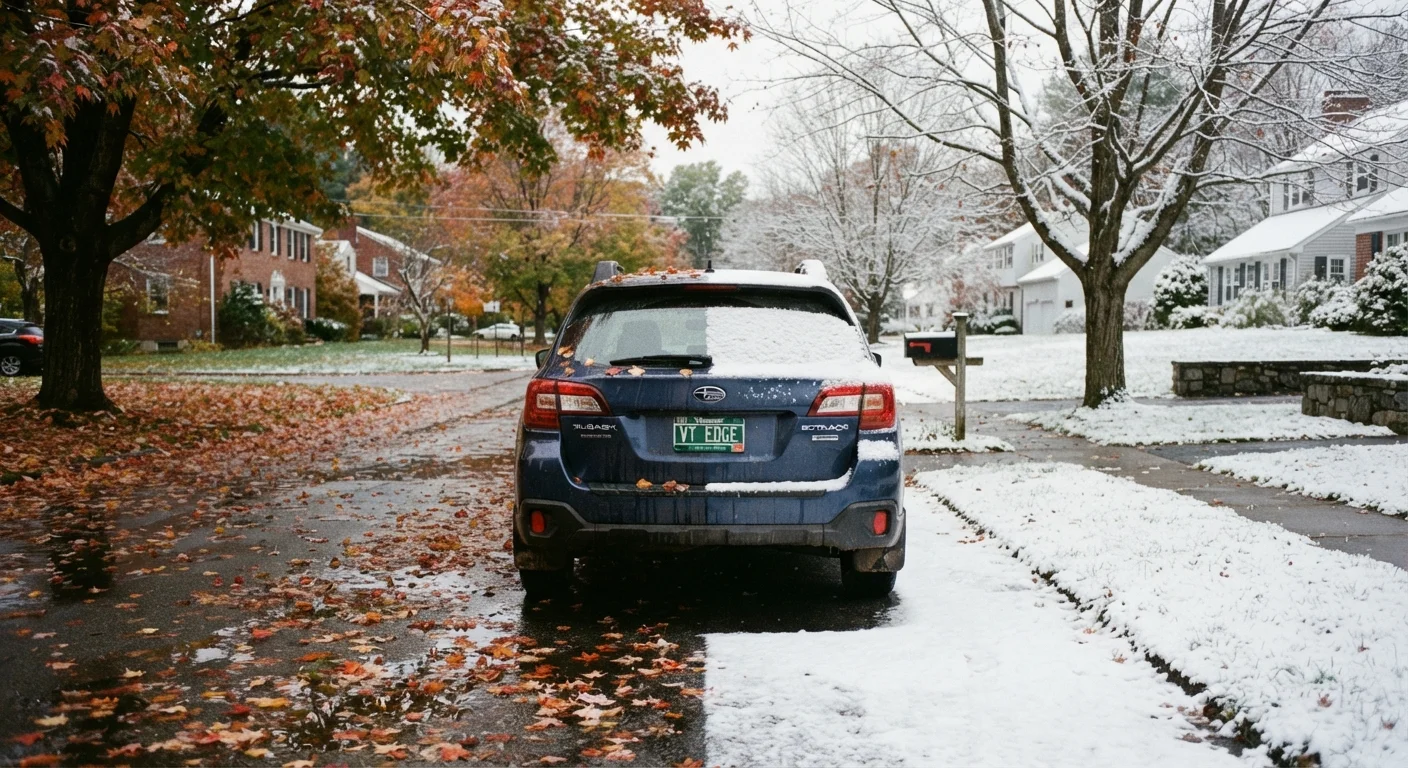
Seasonal Car Care: Preparing Your Vehicle for Weather Changes

Photo: InDepthReads.com | Streamlining Learning For All editorial

Cold winters and hot summers stress different vehicle systems. Learn what to check and when as the seasons shift.

Key Takeaways

  • Cold weather shrinks tire pressure and thickens engine oil — both need attention before winter sets in.
  • Summer heat accelerates battery drain and can cause coolant systems to fail under stress.
  • Wiper blades, brakes, and lighting are safety-critical items that deserve a seasonal look.
  • Many seasonal checks take under an hour and can prevent costly repairs down the road.
  • When in doubt about a finding, consult a qualified mechanic before conditions worsen.

Why Seasonal Checks Matter More Than Most Drivers Realize

Vehicles are engineered to perform across a wide range of conditions, but that doesn't mean they're immune to seasonal stress. Temperature extremes — whether bitter cold or scorching heat — push fluids, rubber components, and electrical systems in ways that normal day-to-day driving simply doesn't. A battery that performs fine in October may struggle to start your car in January. Tires inflated correctly in summer can lose significant pressure before the first hard frost.

The good news is that catching these issues early is usually inexpensive. Ignoring them often isn't. Proactive maintenance is especially important for drivers watching their budget — the same logic explored in our article on common missteps that lead to unnecessary repair bills.

This checklist is organized by system so you can work through it logically. Use it twice a year — once heading into winter, and once heading into summer — adjusting based on your climate. If you're newer to vehicle ownership, pair this with our guide for first-time car owners for broader context.

Tires

Check tire pressure with a gauge when tires are cold — temperature drops of 10°F can reduce pressure by roughly 1 PSI, so verify against the placard inside your driver's door. Must
Inspect tread depth using a quarter or penny — if the top of the coin head is visible, replacement is overdue. Must
Look for sidewall cracking, bulging, or uneven wear patterns that may signal alignment or suspension issues. Should
Consider switching to dedicated winter tires if you regularly drive in areas with sustained snow or ice. Nice to have

Battery & Electrical

Have your battery load-tested at an auto parts store or shop — most do this at no charge — before the first cold snap of the season. Must
Clean any visible corrosion from battery terminals using a wire brush; corrosion increases resistance and can cause starting failures. Should
Test all exterior lights including headlights, brake lights, turn signals, and reverse lights — replace any burned bulbs promptly. Must

Fluids

Check engine oil level and condition; consult your owner's manual about whether your climate warrants a different viscosity grade for winter or summer. Must
Inspect coolant (antifreeze) level and, if possible, test its freeze protection with an inexpensive test strip — degraded coolant loses its protective range. Must
Top off windshield washer fluid with a formula rated for freezing temperatures in winter, or a bug-removing blend for summer. Should
Check brake fluid and power steering fluid levels; note if either is noticeably low, which may indicate a leak worth investigating. Should

Brakes & Suspension

Listen for grinding, squealing, or pulsing when braking — these are common indicators that pads or rotors need professional evaluation. Must
Visually inspect brake pads through the wheel spokes if accessible; if pad thickness appears minimal, schedule a mechanic inspection. Should
Check for unusual vibration, pulling to one side, or clunking sounds over bumps — suspension wear often worsens in cold weather. Should

Wipers & Visibility

Replace wiper blades if they streak, skip, or chatter — blades typically last 6–12 months before performance degrades noticeably. Must
Switch to winter-specific wiper blades if you live in a snow-prone area; standard blades can ice up and lose contact with the windshield. Nice to have
Clean the inside of all windows to eliminate haze that worsens glare during low winter sun or summer afternoon driving. Should

Emergency Preparedness

Restock or assemble a seasonal emergency kit appropriate to your conditions: jumper cables, a flashlight, gloves, a blanket, and basic first-aid supplies. Should
Keep at least a quarter tank of fuel during winter months to prevent fuel line issues and ensure you can reach help if stranded. Should
Add an ice scraper and small snow brush to your vehicle before the first frost of the season. Nice to have

Tools You'll Need and When to Call a Pro

Most seasonal checks require only basic tools and a few minutes in the driveway. However, some items — particularly brake inspection and coolant system testing — are better evaluated by a qualified mechanic if you're not comfortable doing them yourself. Never attempt repairs involving high-voltage hybrid systems without professional training.

Required

Tire pressure gauge

Measures tire PSI accurately — more reliable than relying on visual inspection or gas station displays alone.

Required

Battery load tester or test strip

Evaluates whether your battery can hold a charge under real starting conditions — many auto parts retailers will test for free.

Required

Coolant test strips

Checks the freeze and boil-over protection range of your existing coolant without draining the system.

Required

Flashlight or work light

Essential for inspecting brake pads, fluid reservoirs, and underhood components in low-light conditions.

Optional

Tread depth gauge

Provides a precise tread depth measurement beyond what the coin test can confirm.

Optional

Wire brush and terminal protector spray

Removes battery terminal corrosion and helps prevent it from returning.

Don't Open a Hot Coolant Reservoir

Always allow your engine to cool completely before checking or adding coolant. Opening the reservoir or radiator cap on a hot engine can cause pressurized coolant to spray and cause serious burns. If your temperature gauge is in the red or you suspect overheating, pull over safely and wait at least 30 minutes before opening the hood.

Once you've run through this checklist, keep a simple log of what you checked, what you found, and when. This record is useful both for your own planning and if you ever need to discuss your vehicle's history with a mechanic. For understanding what your dashboard may already be telling you, see our guide to warning lights.

Just as seasonal preparation applies to your home — see the seasonal home maintenance checklist for a parallel approach — routine vehicle care follows the same principle: small, timely actions prevent large, avoidable costs.

Brake Concerns Require Immediate Attention

If you notice grinding, a soft brake pedal, or significant pulling when braking, do not defer that inspection. Brake system failures are among the most dangerous and can develop quickly once wear reaches a critical point. Schedule a professional evaluation as soon as possible — this is not a check you want to postpone until next season.

Tech & Autos Editorial Team

InDepthReads.com | Streamlining Learning For All

Tech & Autos Editorial Team is the collective byline for our editorial team and contributor network. Articles published under this byline or an editorial pen name are researched, written, and reviewed according to our editorial standards for clarity, consistency, and independence before publication.

Electronics BasicsAuto Essentials
View author profile

The content on this site is for informational purposes only and is not a substitute for professional advice. Always consult a qualified professional for guidance specific to your situation.