
Your Car's Warning Lights, Decoded

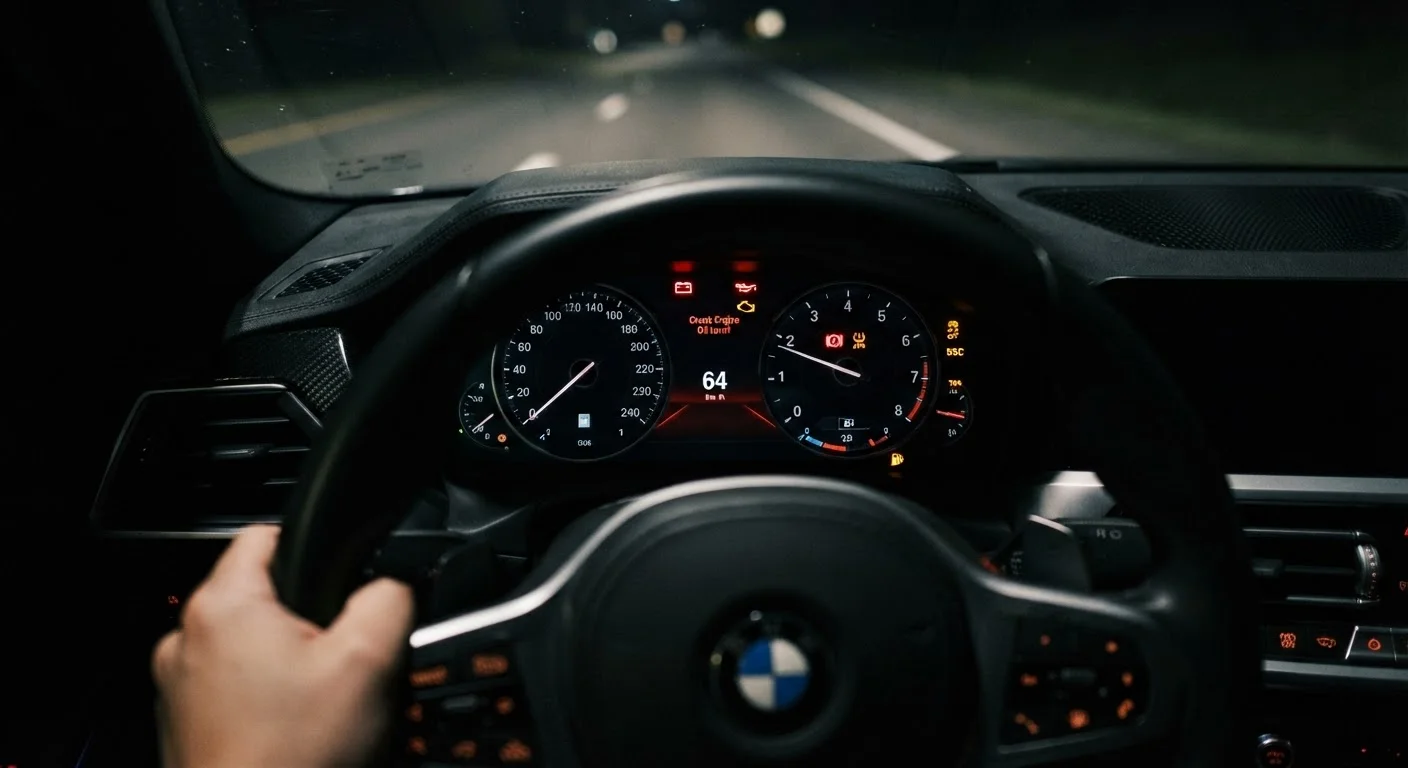
Photo: InDepthReads.com | Streamlining Learning For All editorial
Why Dashboard Lights Exist
Modern vehicles monitor dozens of systems simultaneously — from engine pressure to tire inflation — and use dashboard warning lights to flag when something needs attention. Ignoring these signals can turn a minor issue into a costly repair, or worse, a safety hazard on the road.
Not every light demands an immediate stop. Some are informational; others are urgent. Understanding the difference is one of the most practical skills a driver can have. Think of your dashboard as a communication panel, not just a decoration — it's relaying real-time data from sensors throughout your vehicle.
For a broader look at how driving habits and mileage affect your car's overall condition, see what your odometer reading really tells you.
| Number of OBD-II codes | Over 5,000 standardized codes (Society of Automotive Engineers (SAE)) |
| TPMS required since | 2008 (all new U.S. passenger vehicles) (NHTSA mandate) |
| Most common check engine cause | Loose or faulty gas cap (Auto industry diagnostic data) |
| Oil pressure light response time | Pull over immediately — seconds matter (General automotive engineering guidance) |
| Warning light colors | Red (urgent), Amber (caution), Green/Blue (informational) (ISO 2575 international standard) |
The Most Common Warning Lights Explained
Here's a plain-English breakdown of the warning symbols drivers encounter most often:
- Check Engine (MIL): The Malfunction Indicator Lamp covers a wide range of engine and emissions issues. A steady light often means a non-urgent problem — like a loose gas cap — while a flashing light signals a serious misfire that requires prompt attention. Have the diagnostic trouble code (DTC) read at a shop or with an OBD-II scanner.
- TPMS (Tire Pressure Monitoring System): This symbol — typically a cross-section of a tire with an exclamation point — means one or more tires are significantly under-inflated. Check pressure manually as soon as possible. Proper tire pressure directly affects fuel economy, handling, and tread wear.
- Battery: A battery icon means the charging system isn't maintaining adequate voltage. This could indicate a failing alternator, a dying battery, or a loose connection. Don't ignore it — you may have limited driving time before the car won't start.
- Oil Pressure: A red oil can symbol is one of the most urgent lights on your dashboard. Pull over safely and turn off the engine as soon as it is safe to do so. Running an engine with low oil pressure can cause irreversible damage within minutes.
- Coolant Temperature: The thermometer-in-water icon means your engine is overheating. Pull over, turn off the engine, and allow it to cool before checking coolant levels. Never open a hot radiator cap.
- Brake System: If this light appears while driving (not just at startup), it may indicate low brake fluid, a brake system fault, or an engaged parking brake. Brakes are safety-critical — get this checked without delay.
MIL (Malfunction Indicator Lamp)
The official name for the check engine light. It illuminates when the vehicle's onboard diagnostic system detects a fault in the engine or emissions systems.
OBD-II
On-Board Diagnostics, second generation — a standardized system in all U.S. vehicles sold after 1996 that monitors engine and emissions performance and stores fault codes.
TPMS
Tire Pressure Monitoring System. A sensor-based system that alerts the driver when tire pressure drops below a safe threshold, typically 25% below the recommended level.
DTC (Diagnostic Trouble Code)
A standardized alphanumeric code stored by the OBD-II system when a fault is detected. Mechanics and OBD-II scanners read these codes to identify the source of a warning light.
Charging System
The combination of the alternator, battery, and related wiring that keeps electrical systems powered while the engine runs. A fault here often triggers the battery warning light.
Color Codes and Urgency Levels
Dashboard lights follow a general color-coded system that mirrors traffic signals:
- Red: Requires immediate action. Stop driving if safe to do so and address the issue or contact a mechanic.
- Amber/Yellow: Caution warranted. The system has detected an issue that should be investigated soon, but typically not an immediate emergency.
- Green/Blue: Informational only. These confirm that a system (like headlights or high beams) is active.
This color framework isn't universal across every manufacturer, so consulting your owner's manual for your specific vehicle remains the most reliable reference.
Your Owner's Manual Is Your Best Reference
Before your next scheduled maintenance visit, it's worth understanding what mechanics check during a vehicle inspection — many warning-light-related issues surface during these evaluations.
The content on this site is for informational purposes only and is not a substitute for professional advice. Always consult a qualified professional for guidance specific to your situation.